
The Stalin Line Historical and Cultural Complex was established in 2005.
The idea of creating such a memorial to those who confronted the enemy on the Stalin Line, and to the people who prepared their country’s defences, originated with the “Memory of Afghanistan” Charitable Foundation for Assistance to Internationalist Veterans: Alexander Mikhailovich Metla, Alexander Yuryevich Bazarnov, Sergei Nikolayevich Knyaz and Boris Adolfovich Liyts.
-
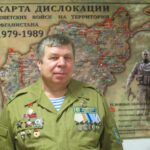
- Alexander Mikhailovich Metla
-
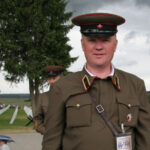
- Alexander Yuryevich Bazarnov
-
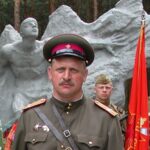
- Sergei Nikolayevich Knyaz
-
- Boris Adolfovich Liyts
This initiative was supported by senior government officials in the early 2000s: Viktor Vladimirovich Sheiman, State Secretary of the Security Council of the Republic of Belarus; Nikolai Fyodorovich Domashkevich, Chairman of the Minsk Regional Executive Committee; and Leonid Semyonovich Maltsev, Minister of Defence of the Republic of Belarus. The museum was built as a community construction project involving public organisations, enterprises under various forms of ownership and ordinary citizens. However, most of the work was carried out by the engineer troops under the tireless personal supervision of Colonel Anatoly Antonovich Gritsuk, Deputy Head of the Engineer Troops Directorate of the General Staff of the Armed Forces.
-
- Viktor Vladimirovich Sheiman
-
- Nikolai Fyodorovich Domashkevich
-
- Leonid Semyonovich Maltsev
-
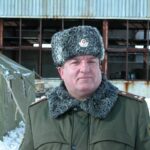
- Anatoly Antonovich Gritsuk
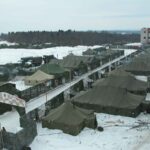
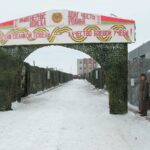
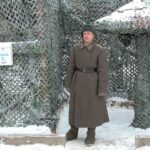
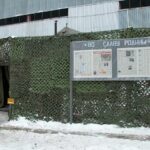
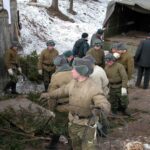
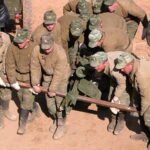
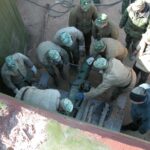
Construction of the complex began on 1 March 2005 with the establishment of a tent camp for the servicemen carrying out the work. Vladimir Sinyavsky photographed and filmed the construction.
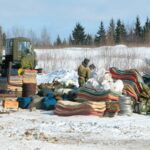
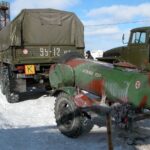
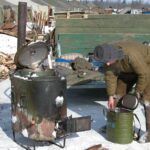
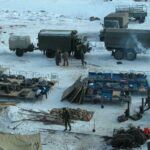
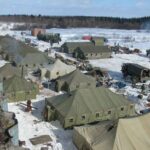
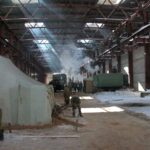
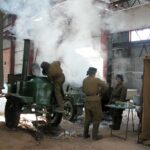

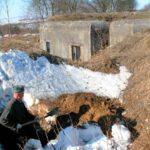
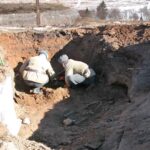
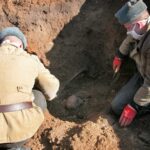
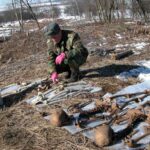
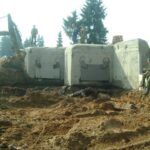
The Historical and Cultural Complex was built on a small section of the Minsk Fortified Region containing four permanent firing positions. During construction, the remains of 18 German invaders were discovered with their identification tags still intact. German identification tags, as is well known, consisted of two parts. When a soldier was buried, the tag was broken in two: one half was sent to headquarters as proof of death, while the other remained with the deceased. The intact tags indicate that the fighting was so intense that the dead Germans were not even found by their own burial parties. This refutes the myth that the German invaders captured the Minsk Fortified Region without a fight. Moreover, the remains of defenders of our Motherland who died here in fighting between 25 and 29 June 1941 were also found near Command and Observation Post No. 135.
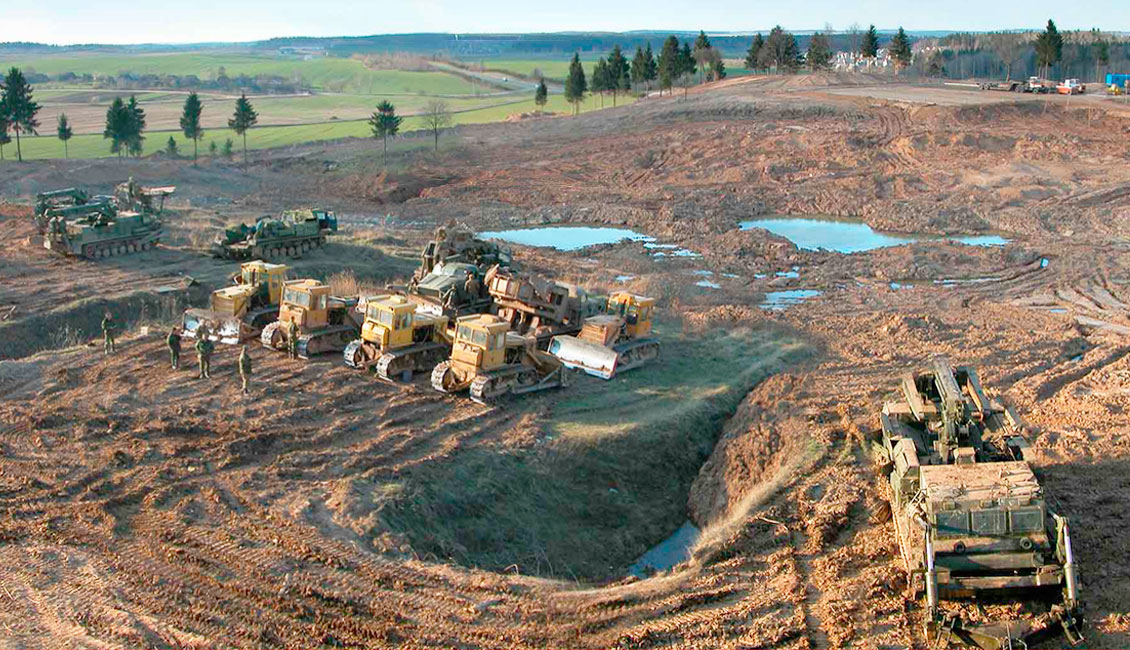
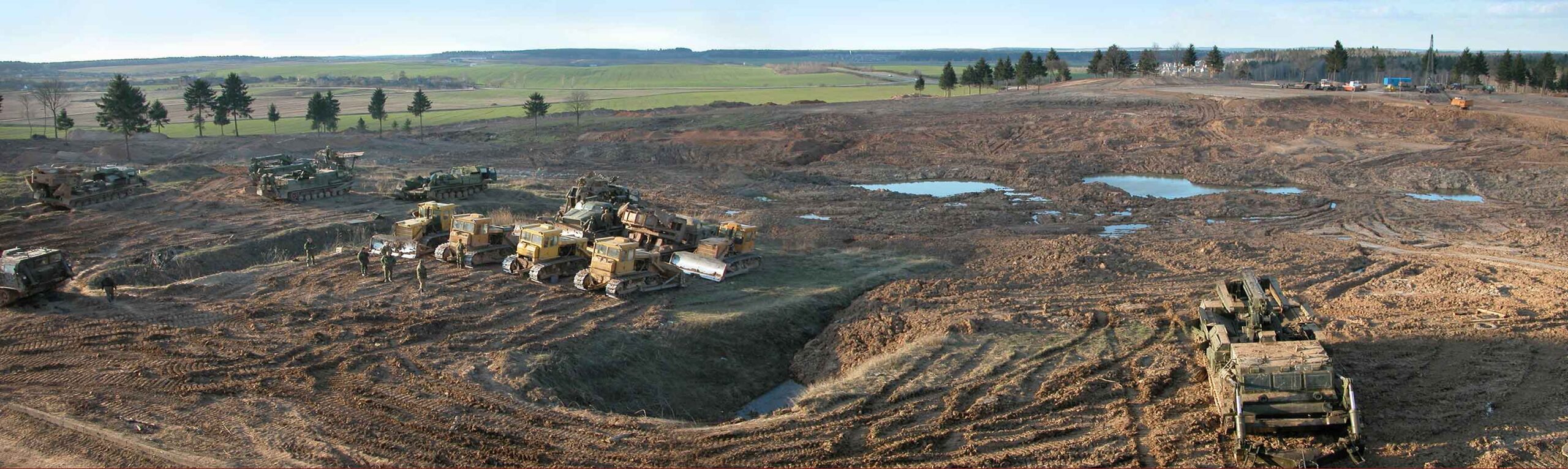
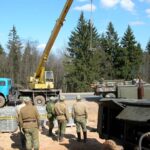
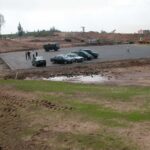
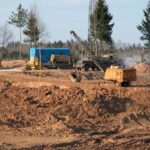
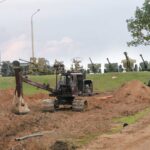
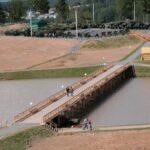
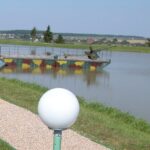
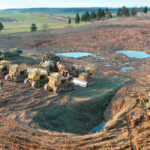
The most ambitious stage in the construction of the complex was the creation of... a lake! It was intended to symbolise the beauty of peaceful life, guarded by military vehicles. A wide variety of machinery was deployed to excavate it.
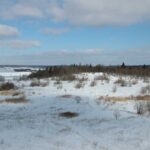
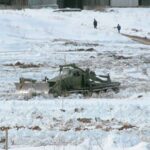
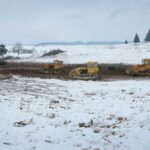
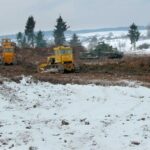
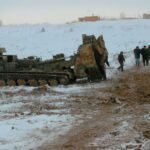
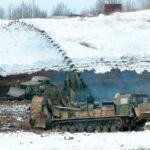
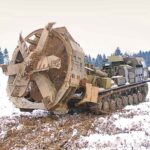
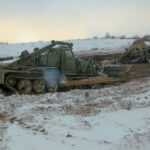
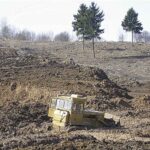
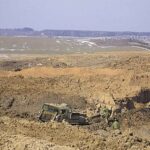
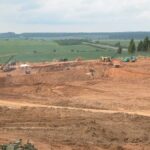
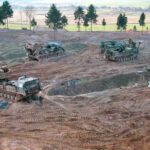
Once the lake basin had been excavated, it became clear that the existing springs would not fill the lake in time for the complex to open.
After the bridge had been built, a two-kilometre pipeline was therefore laid to the nearest lake to solve the problem.
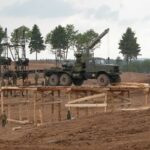
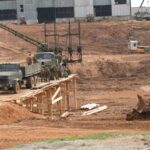
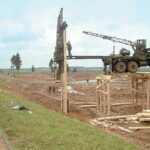
The required volume of water was pumped from it over a period of two weeks.
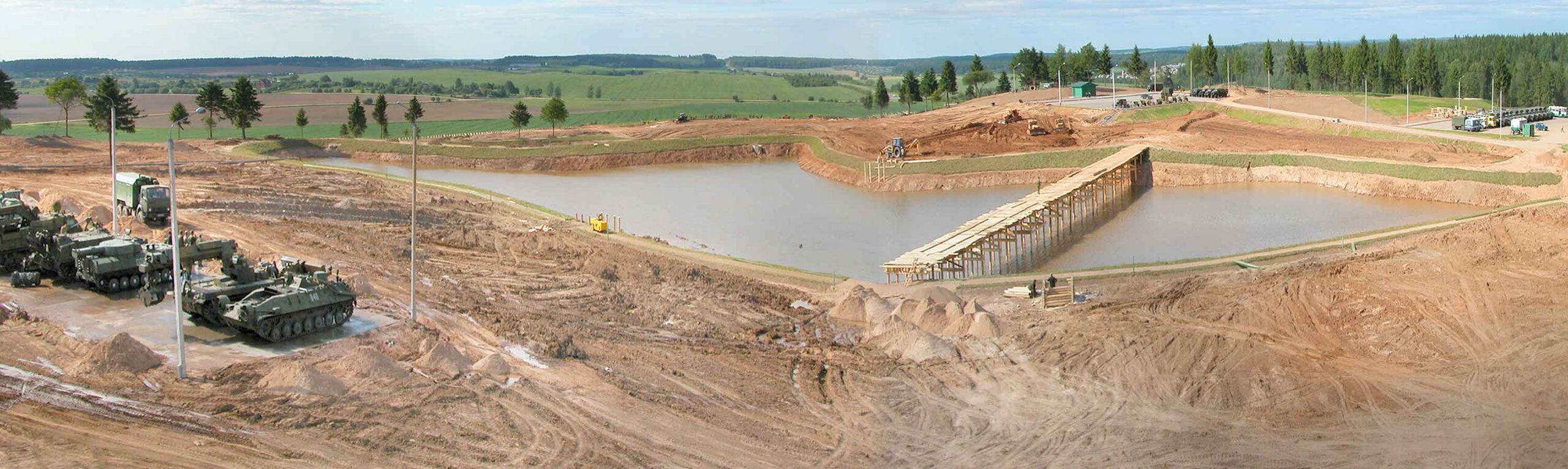
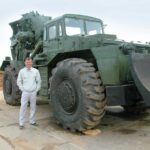
At the same time, the complex’s first exhibition of military engineering equipment was created, featuring some of the machinery used to excavate the lake.
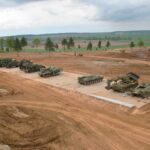
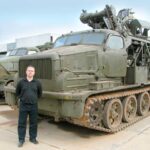
Command and Observation Post No. 135, located on the hill, was cleared of vegetation and restored.
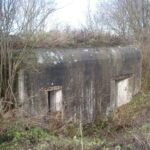
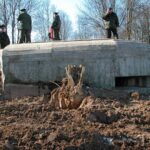
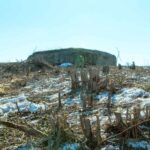
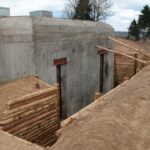
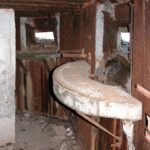
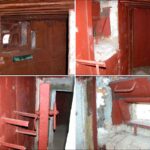
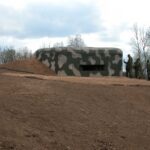
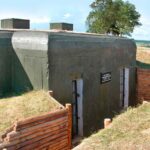
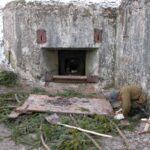
The engineer troops had to clear a large area of dense vegetation between Command and Observation Post No. 135 and the two-embrasure Machine-Gun Pillbox No. 132. The pillbox itself was not only surrounded by vegetation but also heavily covered in moss.
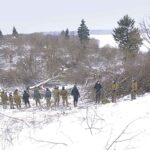

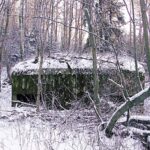
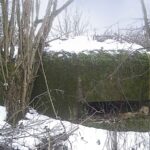
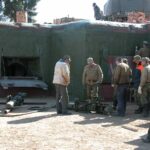
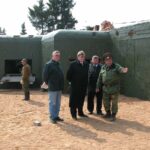
Staff from the Ministry of Emergency Situations also took part in restoring Pillbox No. 132. They were visited by Colonel Enver Rizayevich Bariyev, Minister of Emergency Situations.
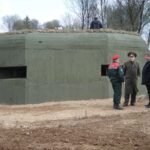
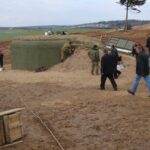
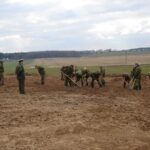
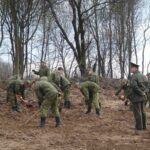
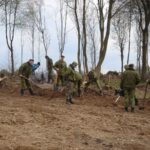
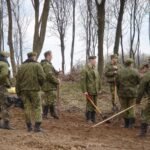
The three-embrasure Machine-Gun Pillbox No. 292 also had to be cleared of vegetation.
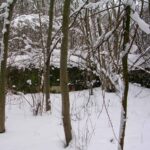
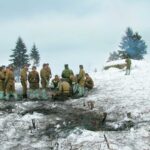
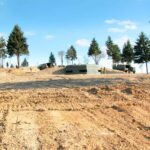
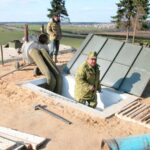
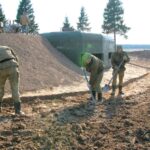
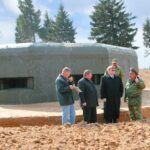
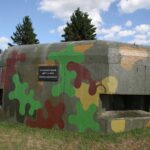
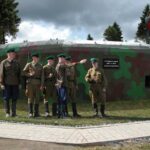
The three-embrasure Pillbox No. 292 was restored both externally and internally so that visitors could enter it and guided tours could be conducted inside.
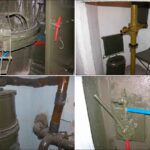
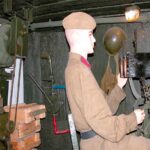
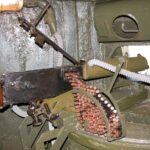
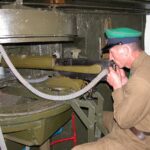
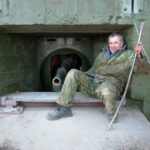
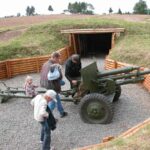
Artillery Half-Caponier No. 134, which became the hallmark of our complex, was also cleared of vegetation and restored both externally and internally.
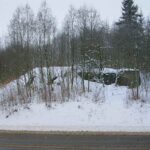
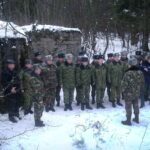
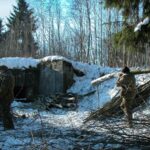
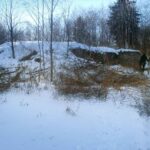
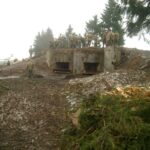
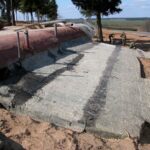
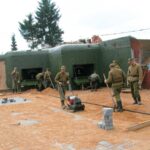
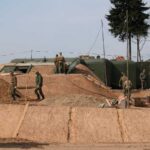
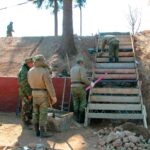
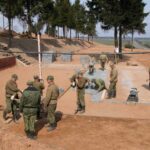
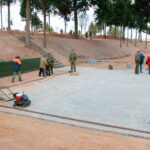
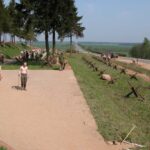
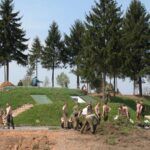
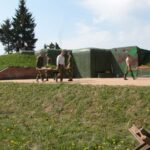
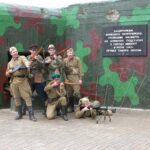
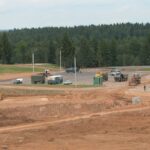
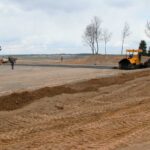
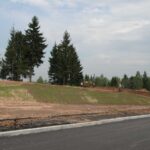
A large central car park, with the main pedestrian and vehicle entrances, was also built.
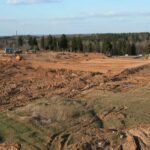
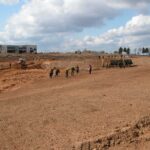
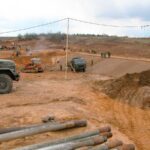
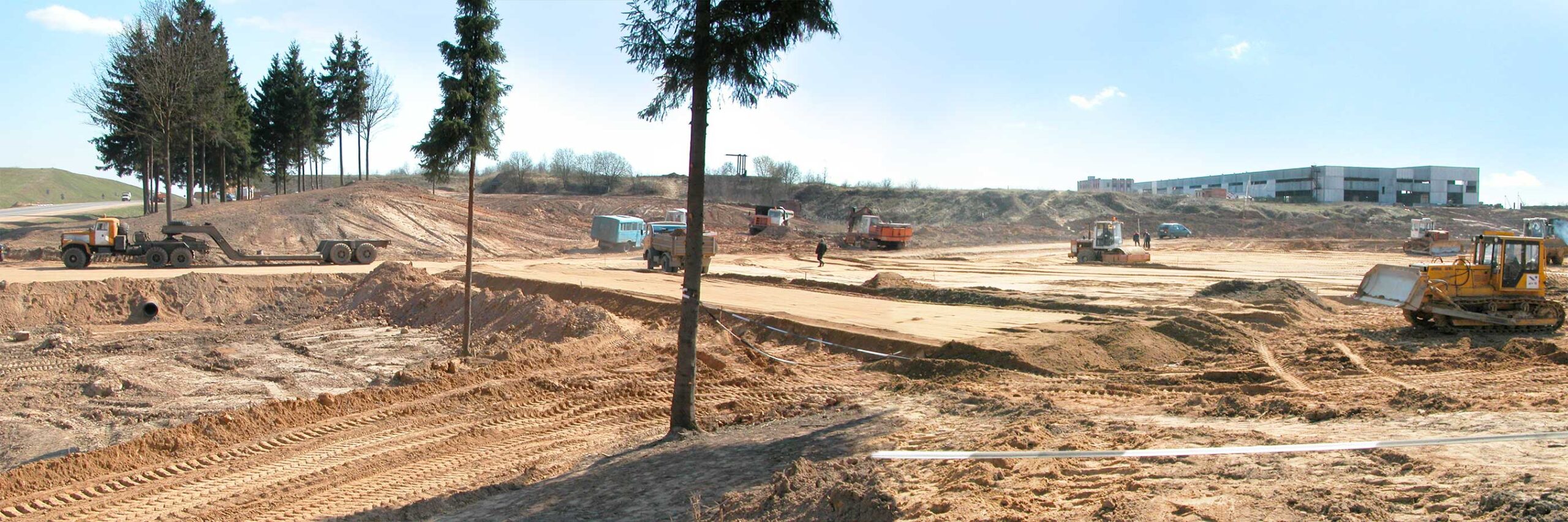
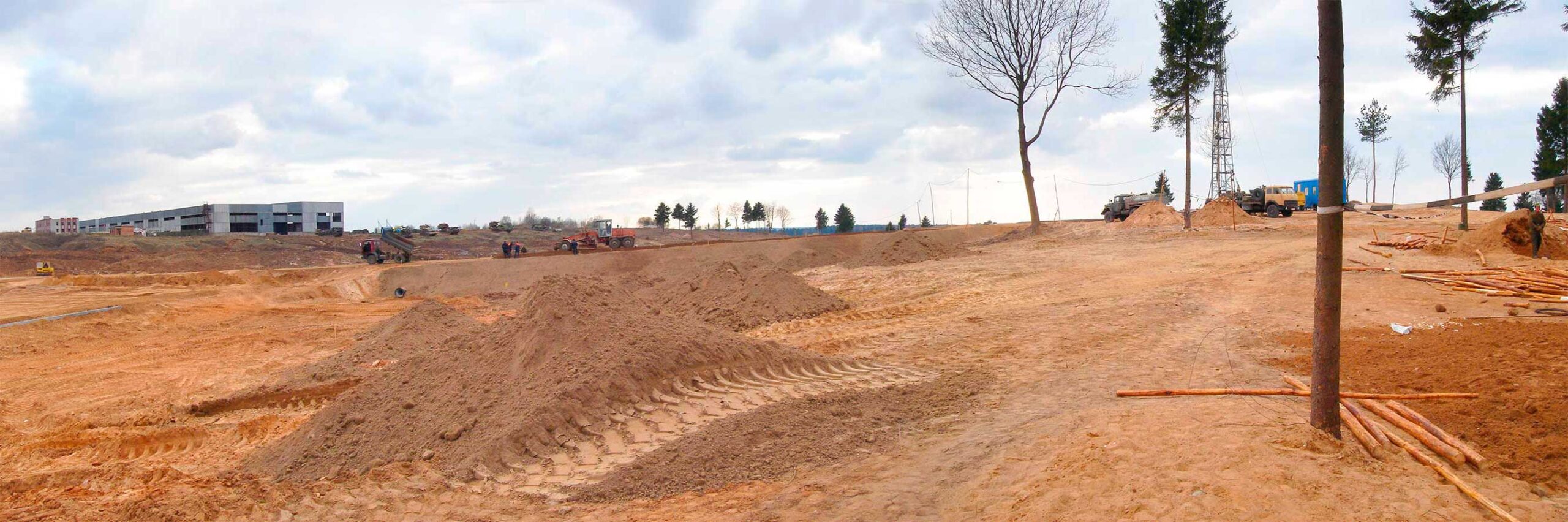
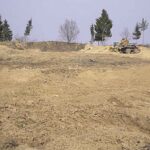
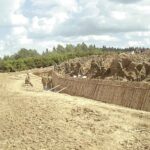
These two panoramic views demonstrate the scale of the work.
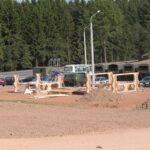
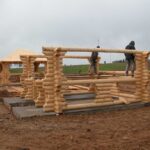
Gazebos, a footbridge and a toilet were built alongside the car park.
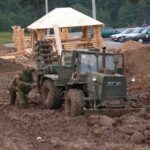
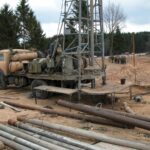
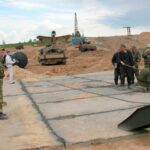
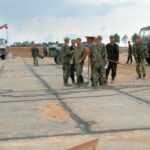
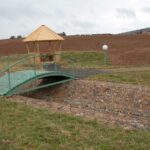
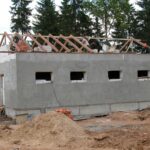
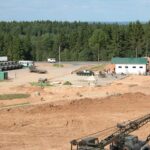
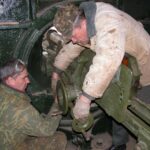
An artillery and military vehicle display was constructed next to the car park.
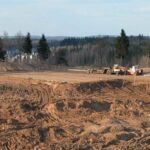
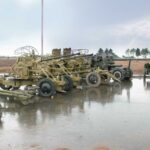
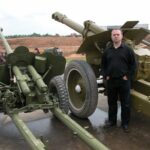
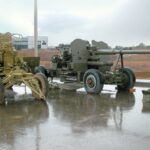
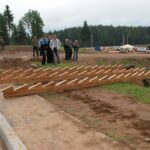
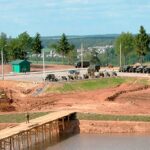
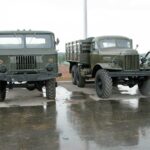
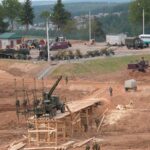

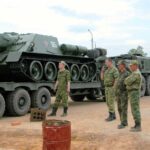
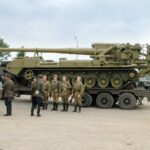
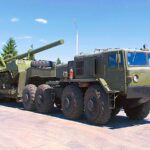
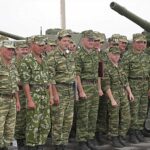
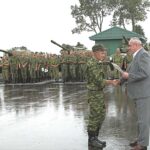
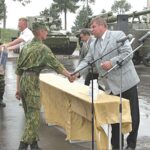
Once the display area was complete, an awards ceremony was held for the builders.
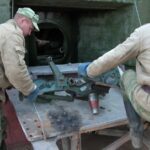
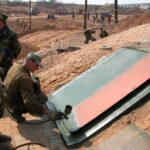
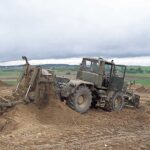
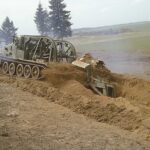
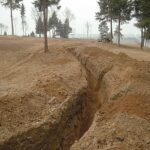
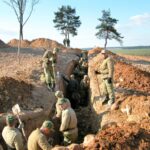
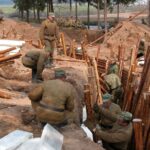
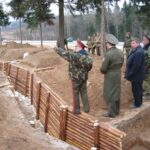
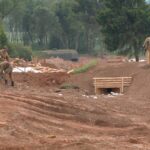
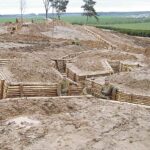
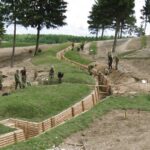
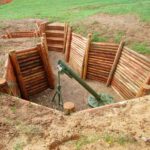
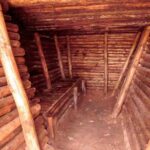
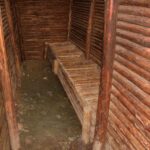
A PZM-2 regimental earthmoving machine and a BTM-3 high-speed trenching machine were used to create the trenches, together with the labour of the engineer troops. In addition to the trenches, mortar and artillery positions were prepared, and dugouts and a toilet were constructed.
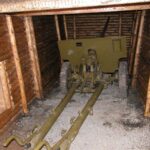
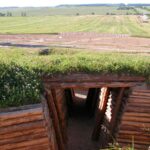
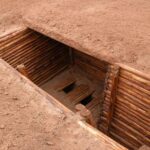
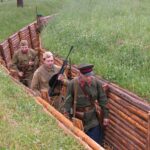
Various types of anti-tank and anti-personnel obstacles were constructed at the complex.
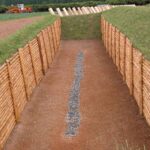
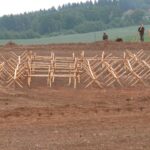
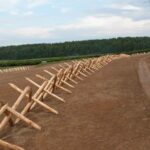
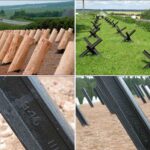
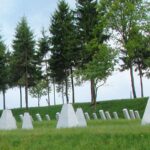
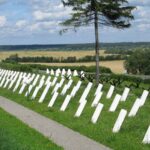
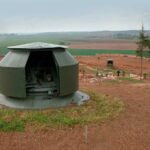
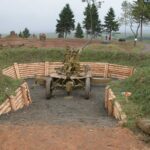
An exhibition of armoured cupolas, a German armoured machine-gun position (Panzer Nest) and an anti-tank firing position was created for guided tours along the historical route. The exhibits were brought to the complex from various locations across the country.
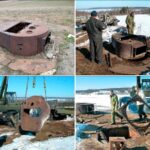
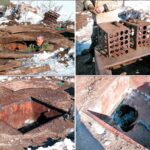
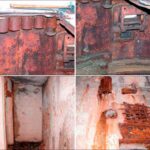
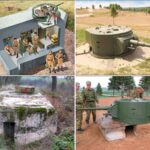
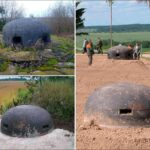
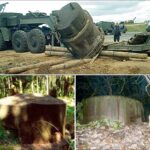
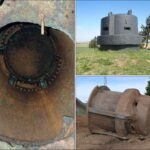
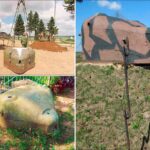
Following the construction of several more facilities, the first stage in the creation of the Stalin Line Historical and Cultural Complex was complete.
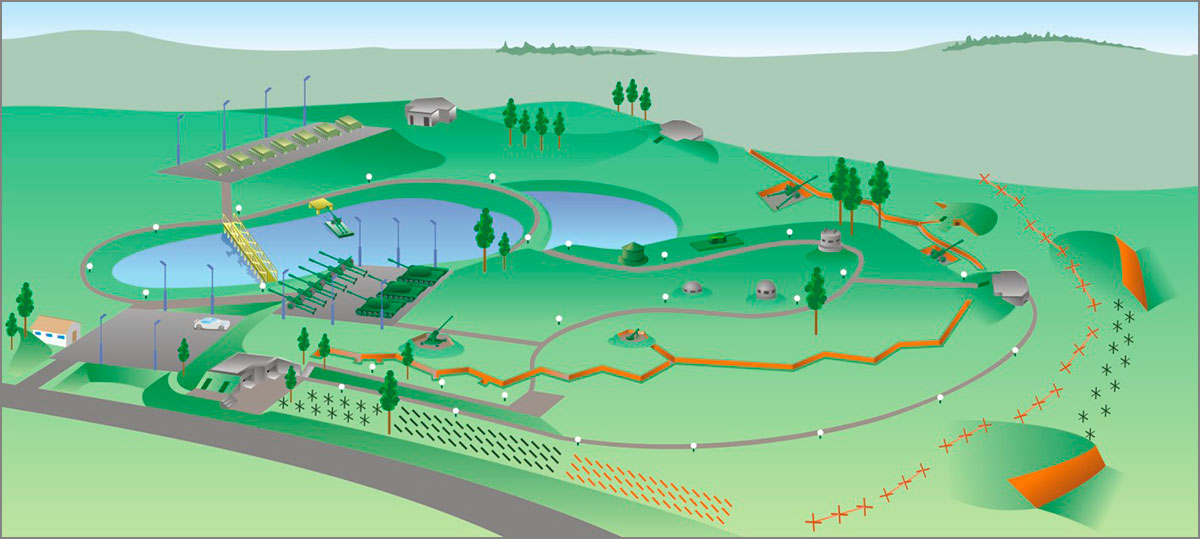
The first map of the complex, showing the facilities built in 2005.
The complex was officially opened on 30 June 2005.
 Russian
  English
  Chinese