
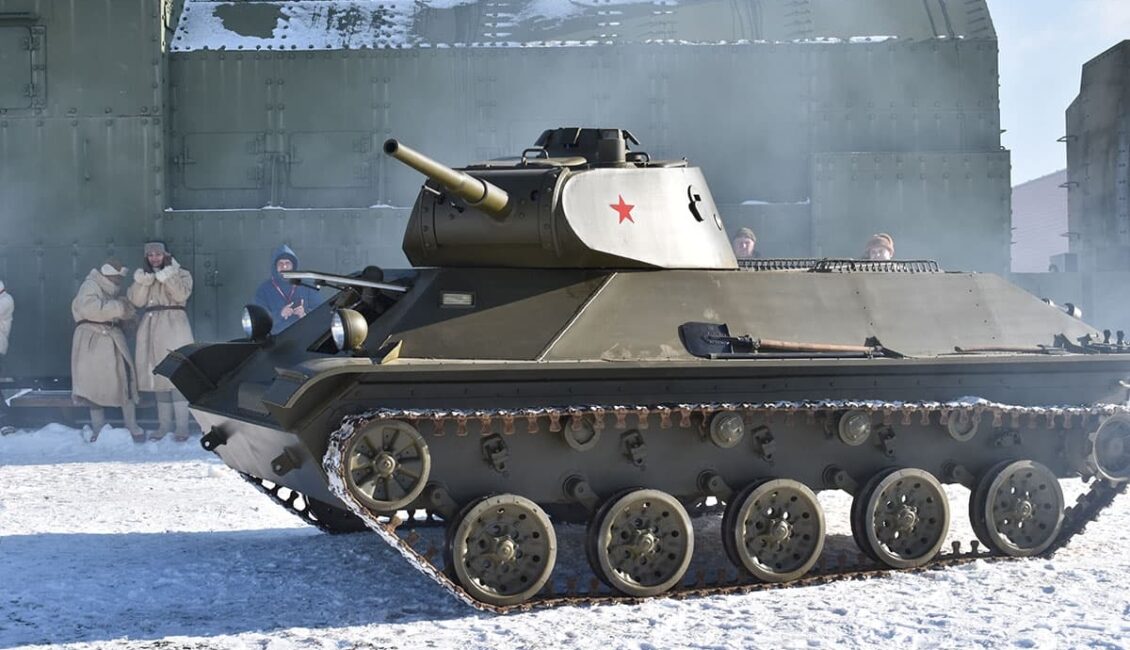
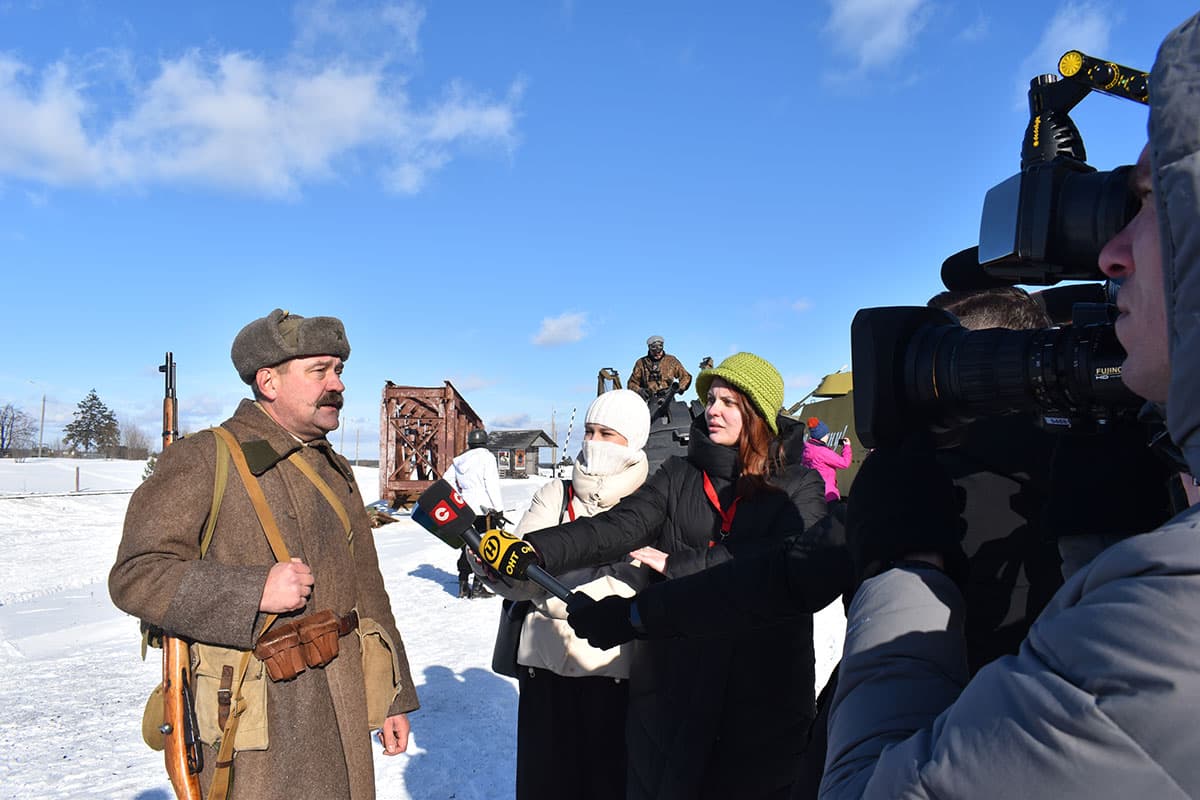
On 12 February, a presentation of a 1940-model Soviet T-50 light tank, built by the specialists of the Stalin Line Historical and Cultural Complex, was held for members of the media.
The current year has been designated the Year of Historical Memory in the Republic of Belarus. It is vitally important to preserve and pass on to future generations the full truth about the events of the Great Patriotic War. The 12 military-historical reenactments held annually at the museum complex contribute to this process.
– We are trying to show how our fathers, grandfathers and great-grandfathers achieved the impossible. They defeated the powerful German army and won a hard-fought victory, — said Alexander Alexandrovich Metla, Executive Director of the Stalin Line Historical and Cultural Complex, before adding with regret, — but our efforts alone are not enough. Much also depends on the education system. Children visit us now, and many of them cannot tell Soviet military vehicles from German ones. The Wehrmacht is being popularised around the world, with claims that everything German was superior.
Veterans of the past war greatly appreciate the displays staged by military reenactors and the military vehicles of the Historical and Cultural Complex. Sadly, however, there are fewer and fewer of these veterans. They have asked the management of Stalin Line to continue developing military-historical reenactment.
This was why the T-50 was created at the complex, taking seven months to build. The running gear of a BMD-1 airborne infantry fighting vehicle served as the basis for the ‘fifty’. The new vehicle was built by Alexander Mikalutsky, Vladimir Yakushev and his sons Alexei and Maxim. A number of difficulties arose during construction of the T-50. All the vehicle’s systems and running gear had to be brought into proper working order; the engine and driver’s compartments had to be rearranged; and an original hull, turret, commander’s cupola with seven vision devices protected by armoured shutters, engine access hatches, hatches for flag signalling and the crew, inspection hatches, pistol ports and external fittings all had to be fabricated. The T-50 construction process can be seen here:
During the initial period of the Great Patriotic War, the T-50 was the most advanced of all Soviet light tank designs. These tanks defended Moscow and Leningrad, but were not produced in such large numbers or as well known as their counterparts.
“Battle of Moscow”
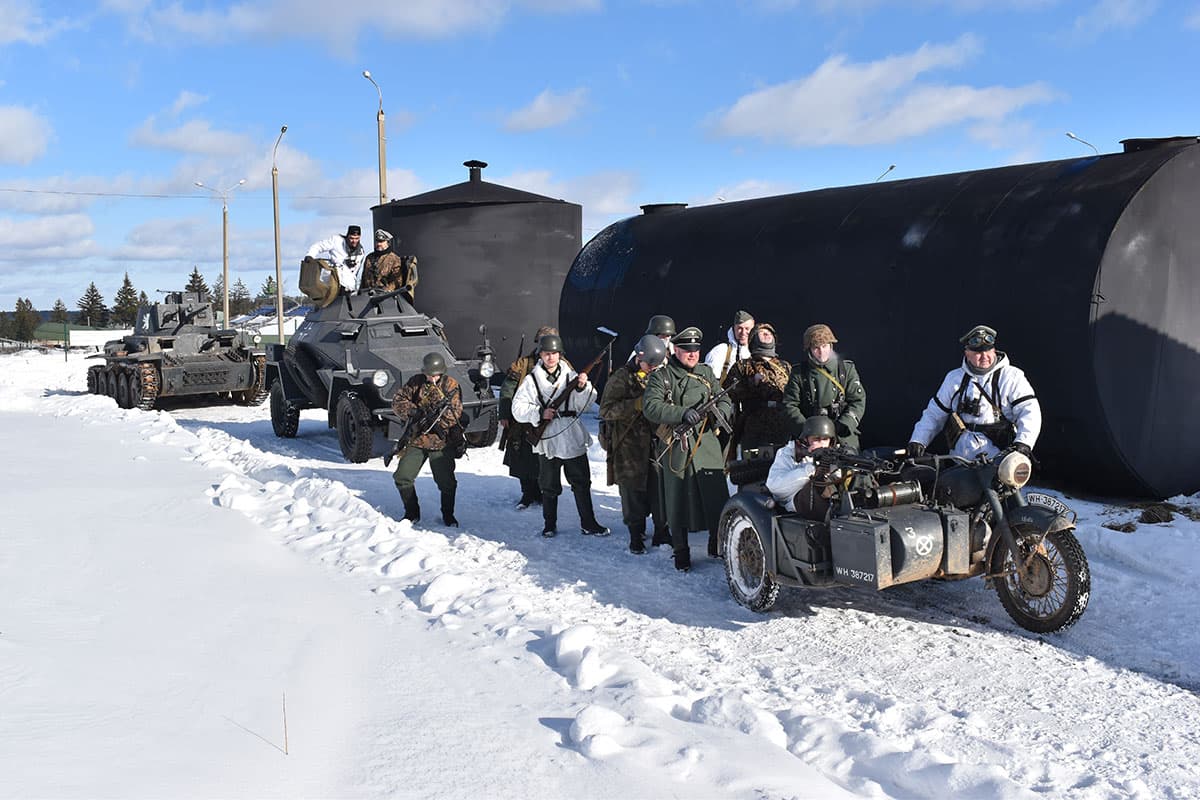
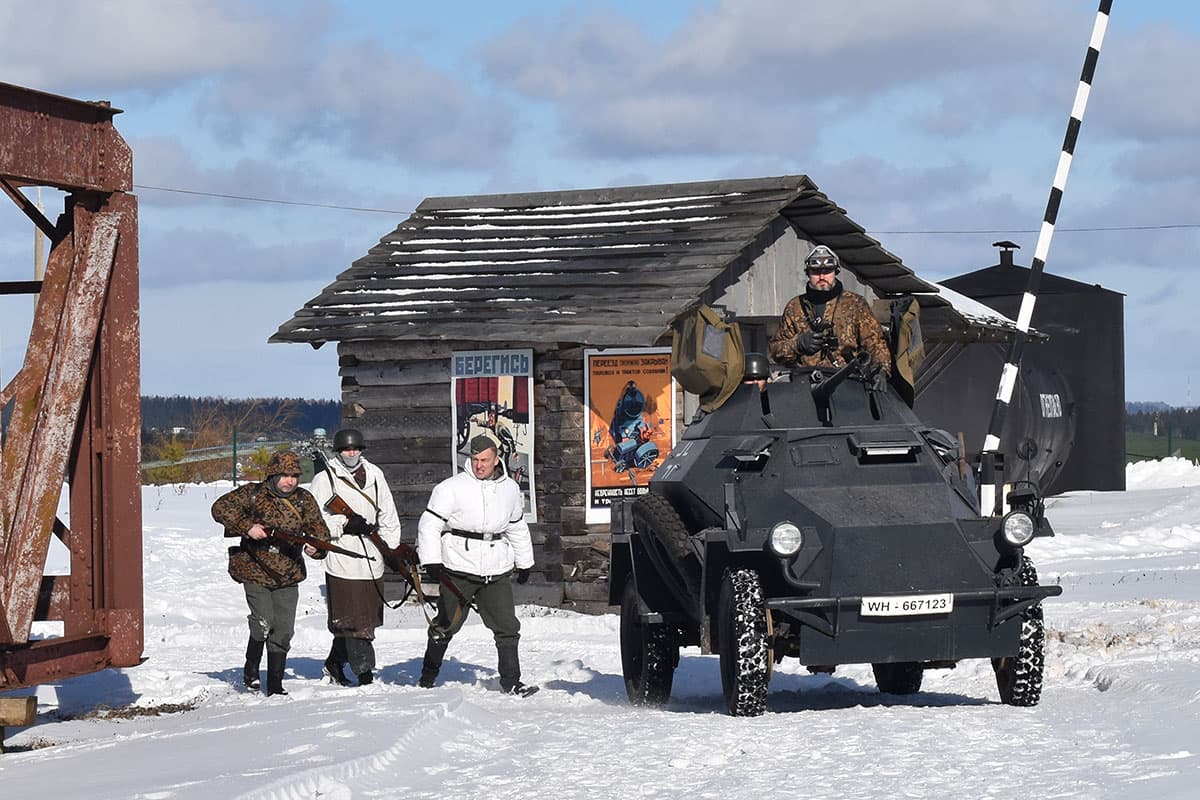
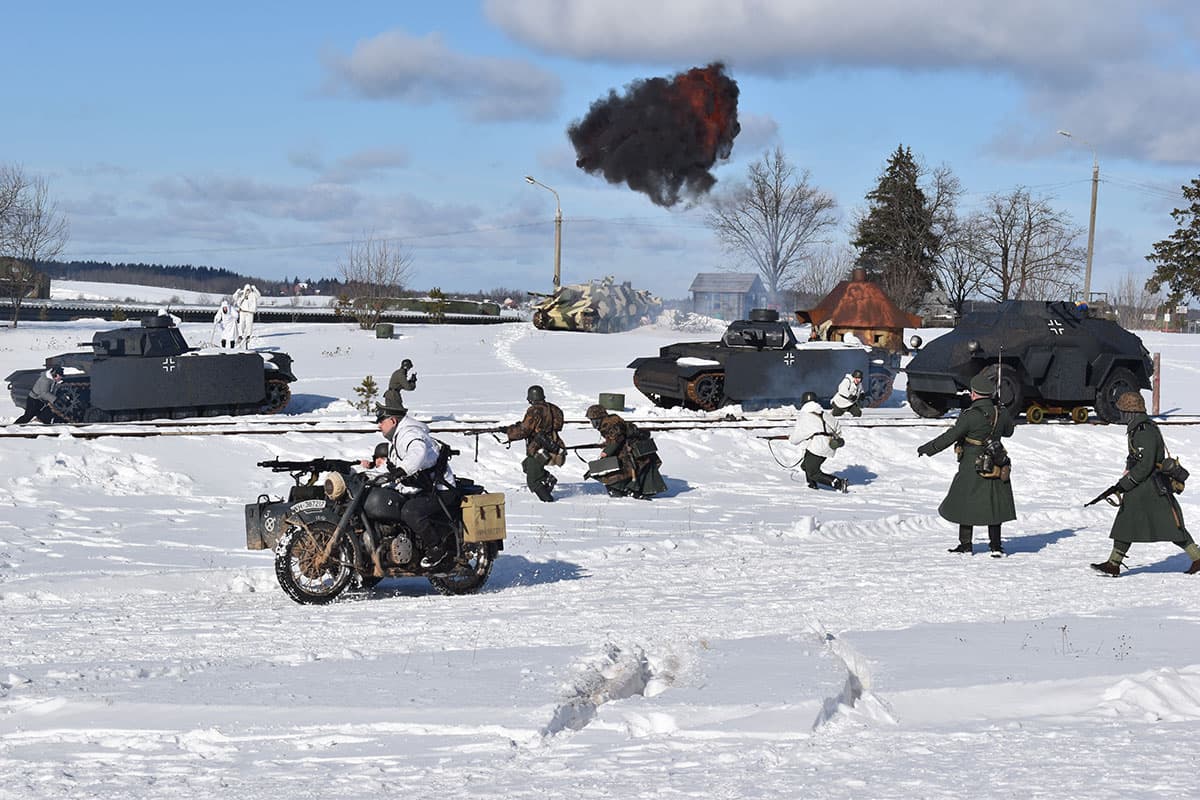
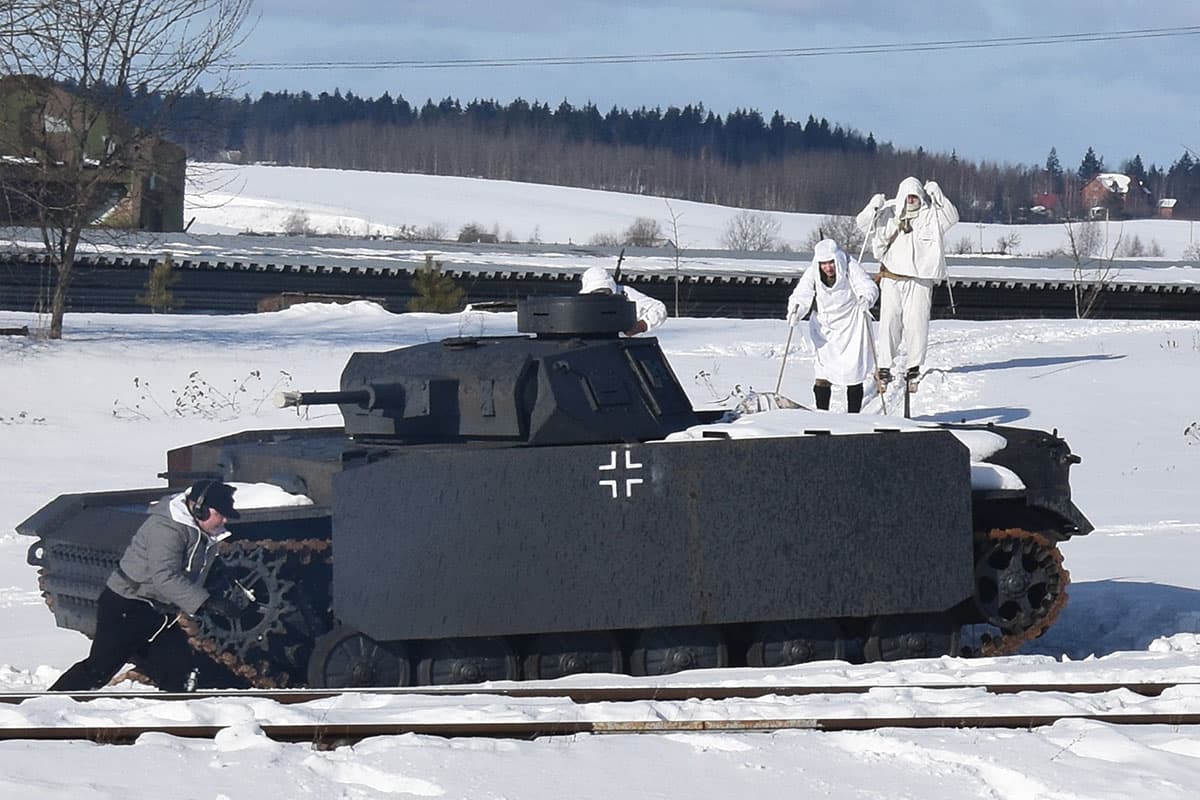
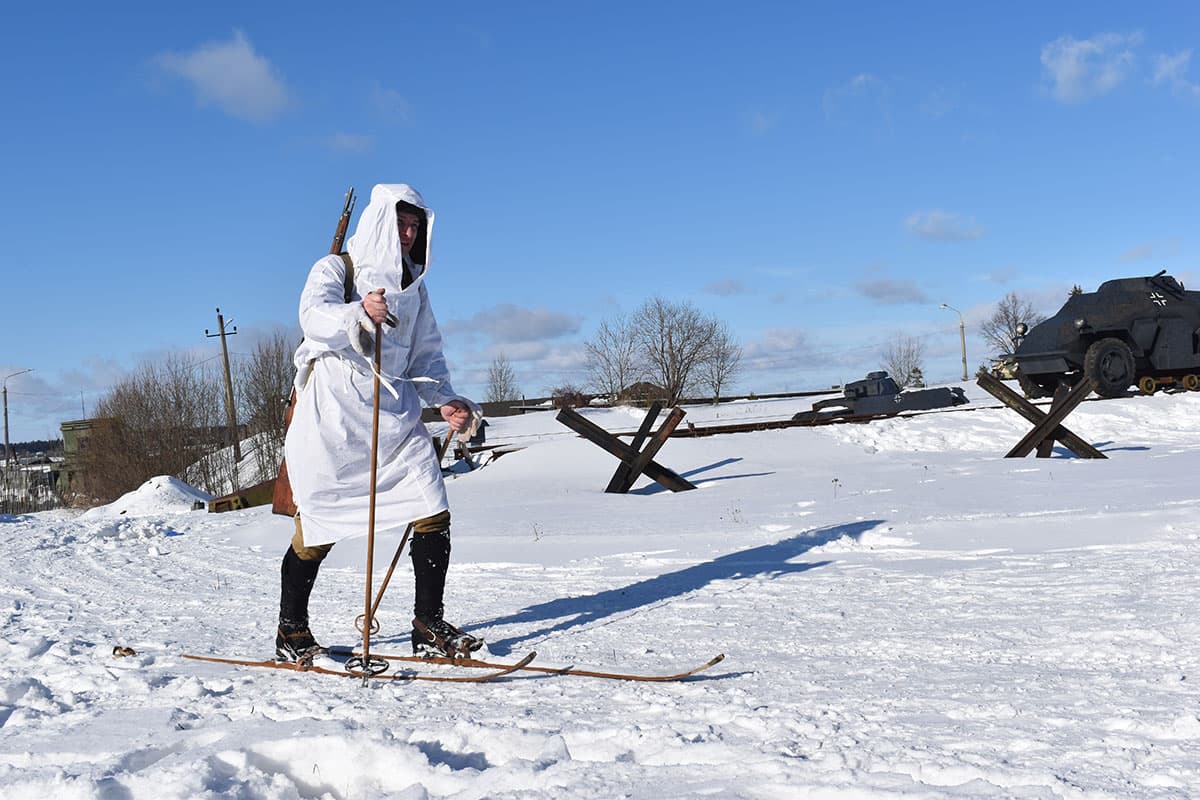
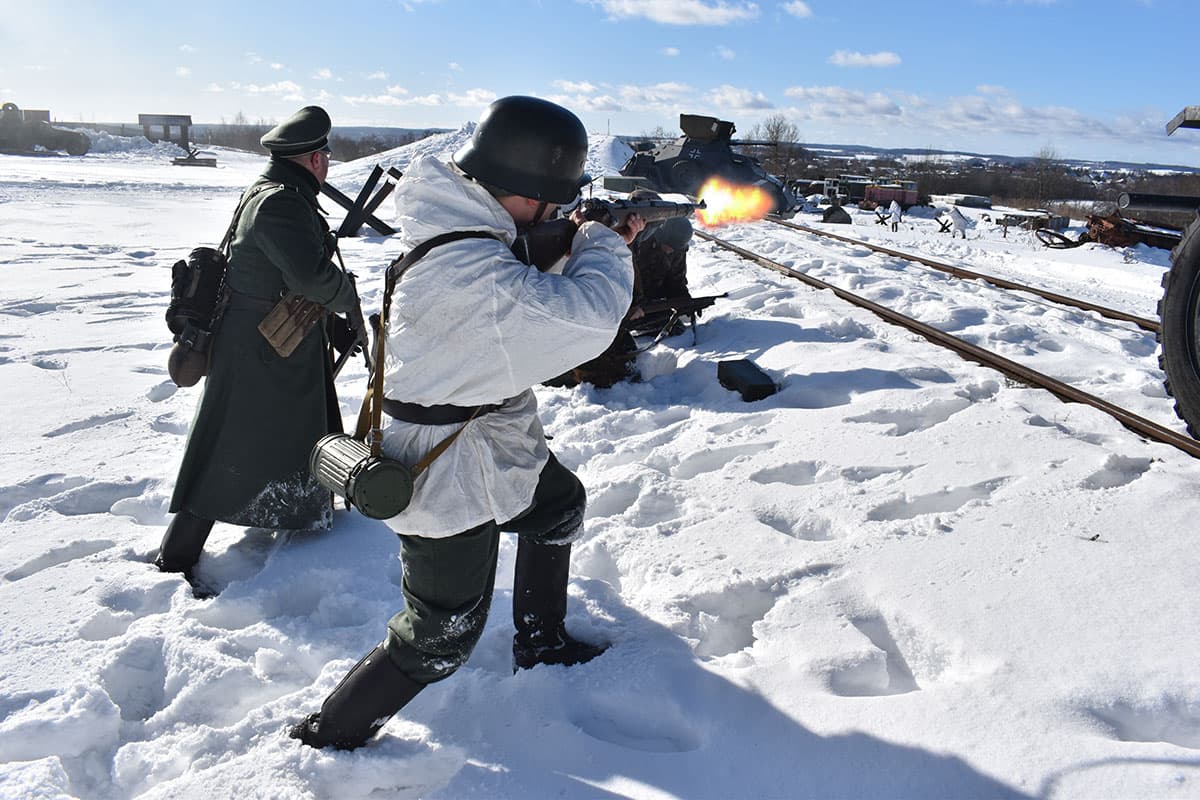
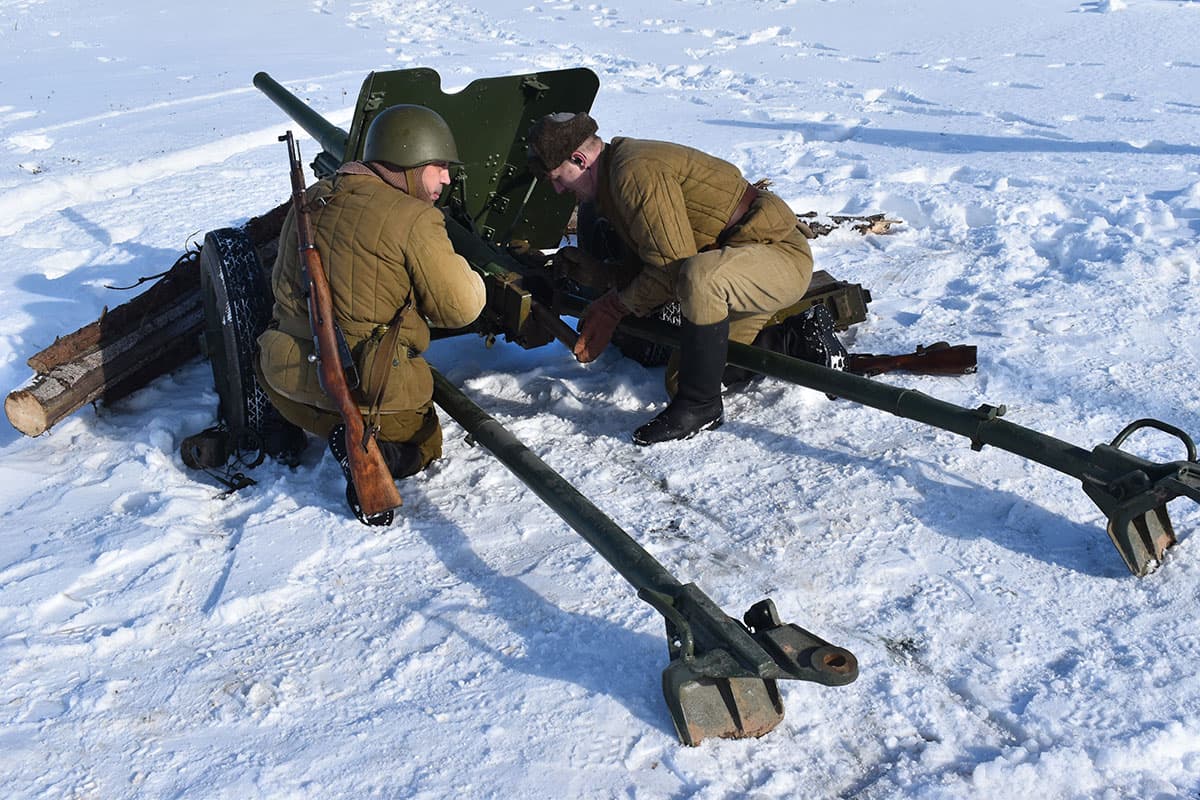
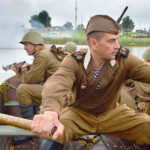
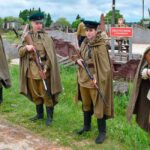
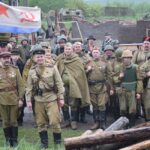
The T-50 demonstrated its speed and combat capabilities during a 15-minute military-historical reenactment entitled “Battle of Moscow”. It was held not on the reenactment field, but in the enclosed activity area used for shooting from the armoured train at targets representing two German Panzer III tanks and a moving Sd.Kfz. 222 target. The reenactment involved a Soviet BA-11 armoured car and a 45 mm gun, a Panzer 38(t) tank, an Sd.Kfz. 222 armoured car, a BMW R71 motorcycle and 25 reenactors from various military-history clubs across the country. One of them was Alexei Shulga, commander of the “Combat Glory” club. He said: “I will be one of the skiers tasked with destroying two German tanks and diverting the ‘enemy’s’ attention away from the main Red Army forces.”Alexei specially prepared an original pair of 1940-model skis for the reenactment, of the type used by Red Army soldiers during the Battle of Moscow.
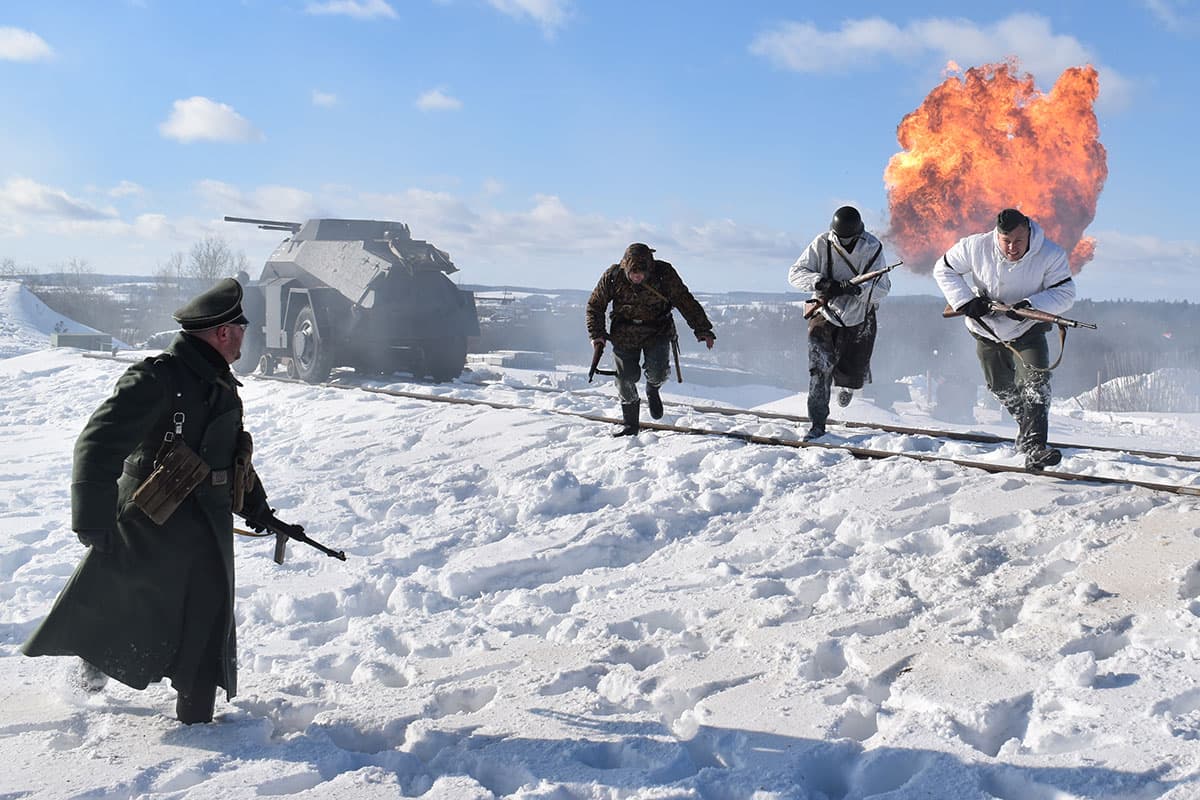
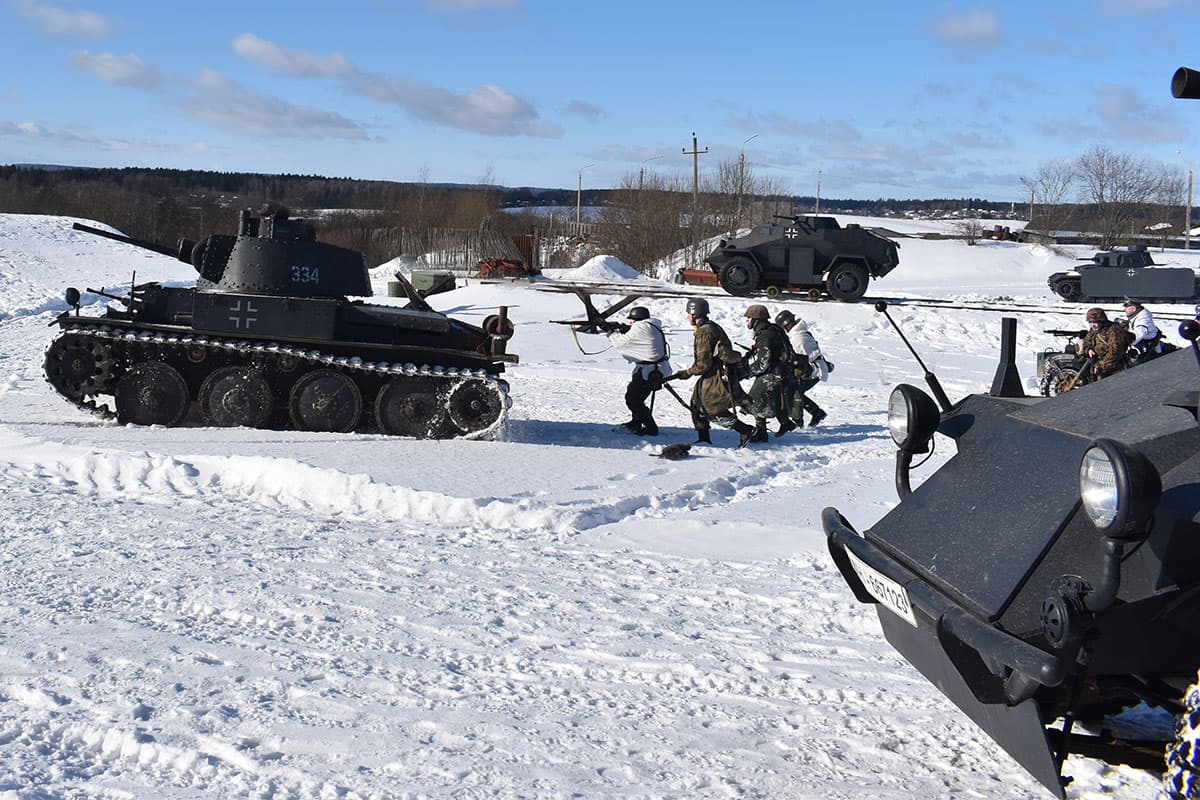
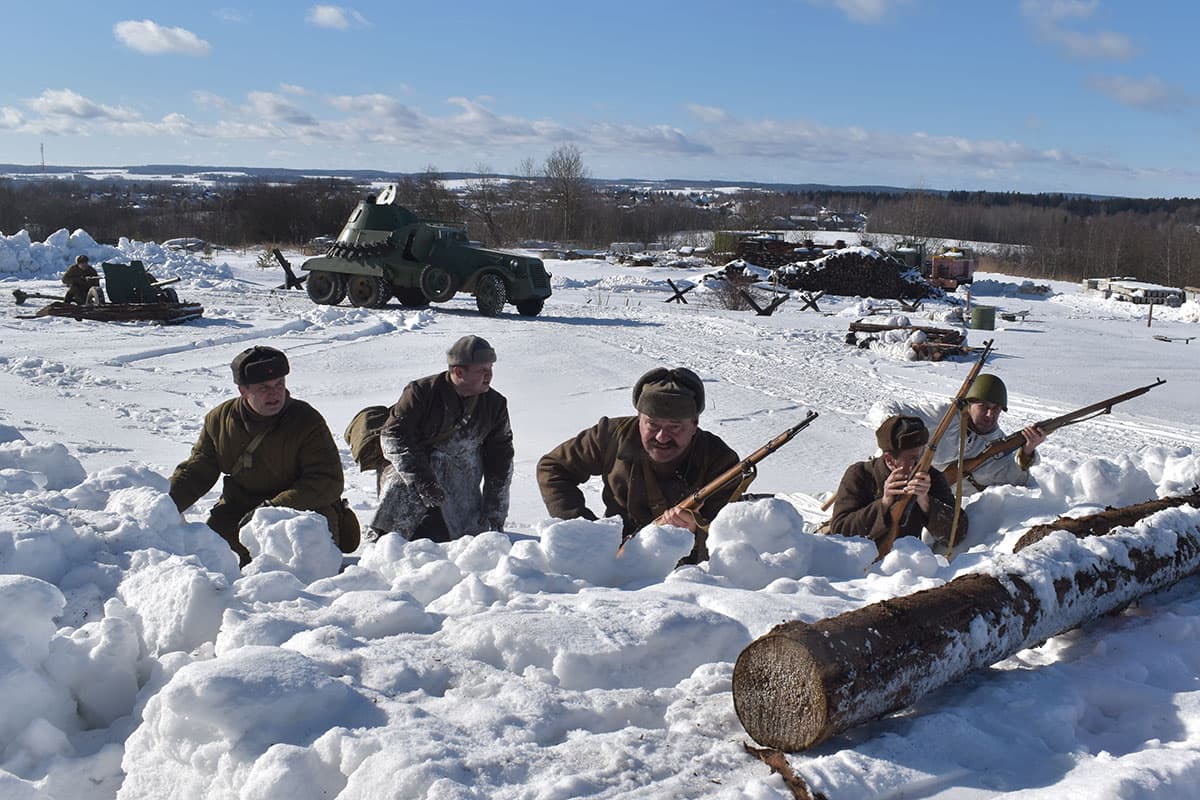
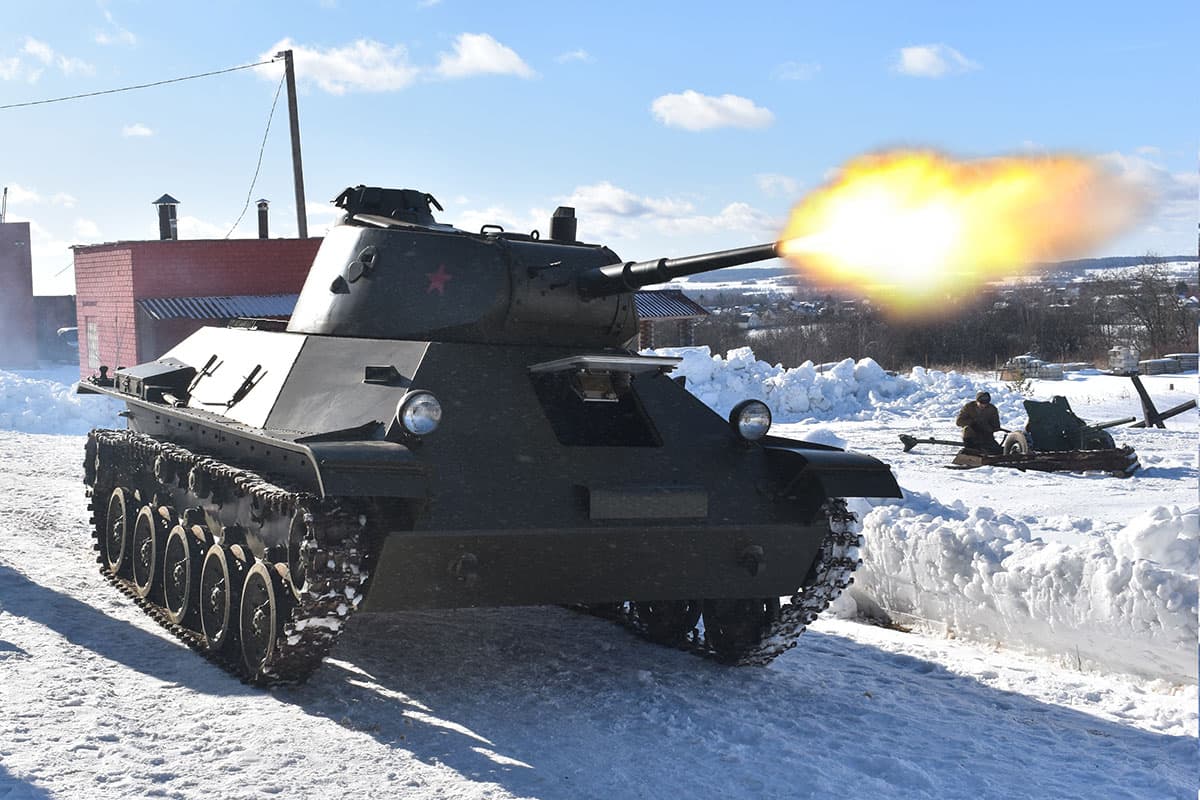
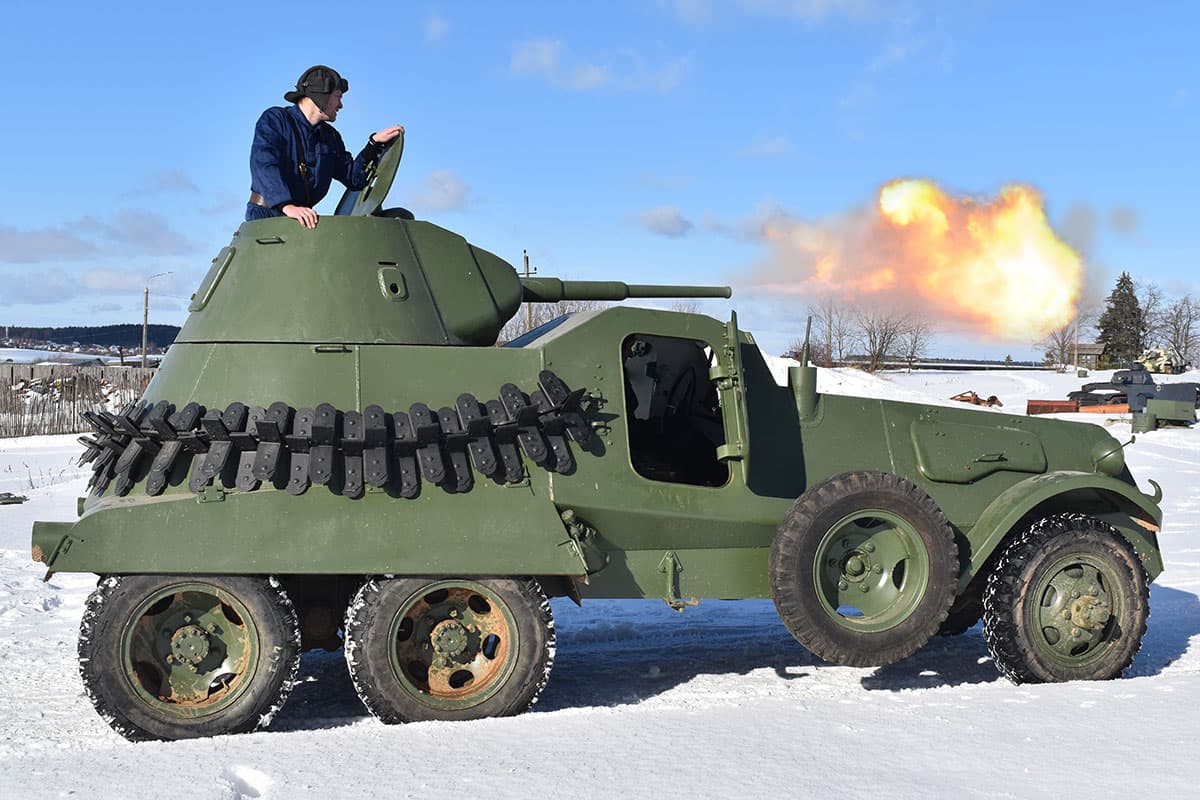

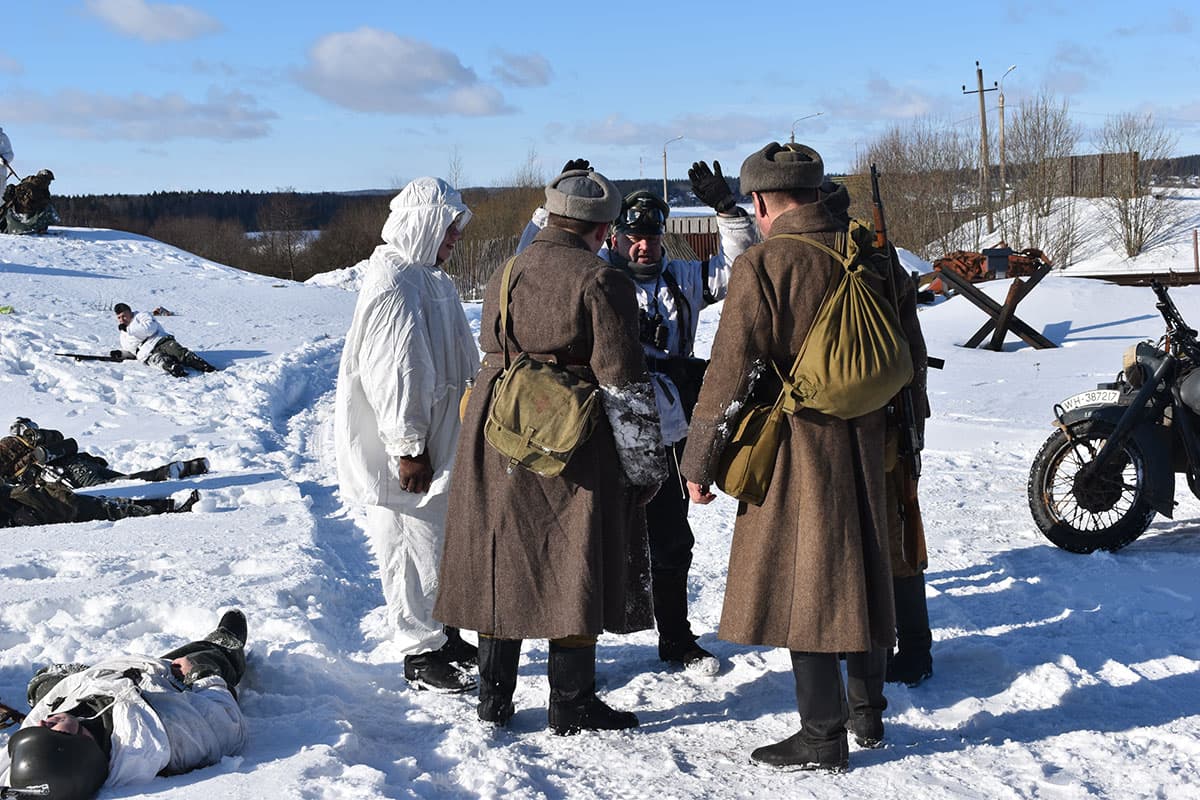
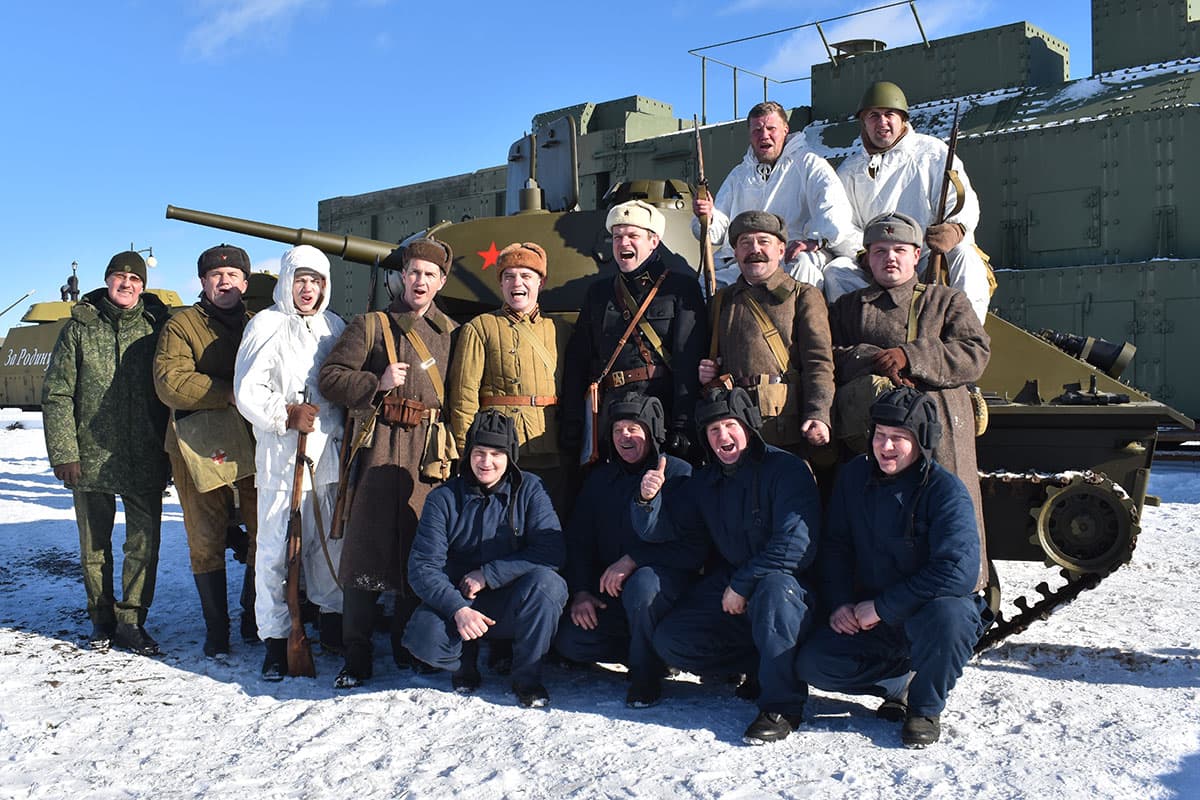
A military-historical reenactment marking “Defenders of the Fatherland and Armed Forces of the Republic of Belarus Day” is scheduled for 26 February. It will be the new T-50 tank’s debut.
– Our museum has static vehicles displayed as exhibits, as well as operational vehicles used during reenactments. The T-50 will also see extensive use in our reenactments, — Alexander Metla said, sharing his plans for the future.
Text by Yuri Vlodavsky; photographs by Boris Prokazov.
 Russian
  English