
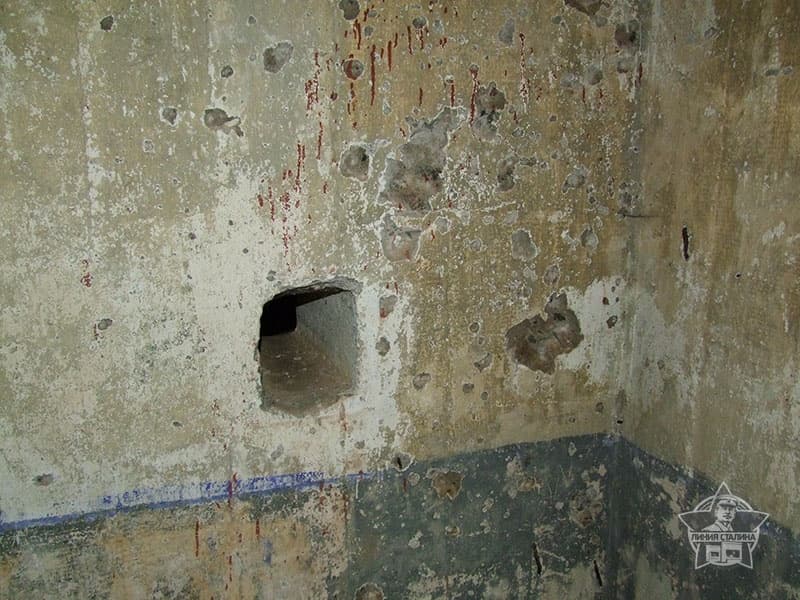
However, these defensive structures were not built to provide protection against Germany, with which the USSR did not even share a border in the 1930s. At that time, the USSR bordered only Poland and Latvia in Belarus. The principal purpose of the fortified regions of that period was to hold the border areas until the main forces could be mobilised, rather than to halt and defeat the enemy completely, as many mistakenly believe.
In 1939, Poland ceased to exist as a state, and the USSR acquired a common border with Germany, albeit 500 km west of the former border. The old defensive structures were now deep in the rear of the Red Army. Construction began on a new ‘line’ along the new border, to which covering troops were transferred and weapons and specialist equipment were transported, some of it removed from the old border.
It is worth recalling the enemy that had reached the gates of our country. On 10 May 1940, Germany invaded Belgium. That same day, the whole world was astonished by the ease with which just 78 German paratroopers captured the seemingly impregnable Fort Eben-Emael, defended by a garrison of 650 men. No one expected the Germans simply to descend silently from the sky in unpowered gliders, landing directly within the fort, and in just 15 minutes destroy six of Eben-Emael’s seven principal structures using shaped charges and explosives. The Belgians lost 69 men killed, while the Germans lost only six. The capture of the fort and two bridges across the River Meuse opened the way for the Wehrmacht into the heart of Belgium.
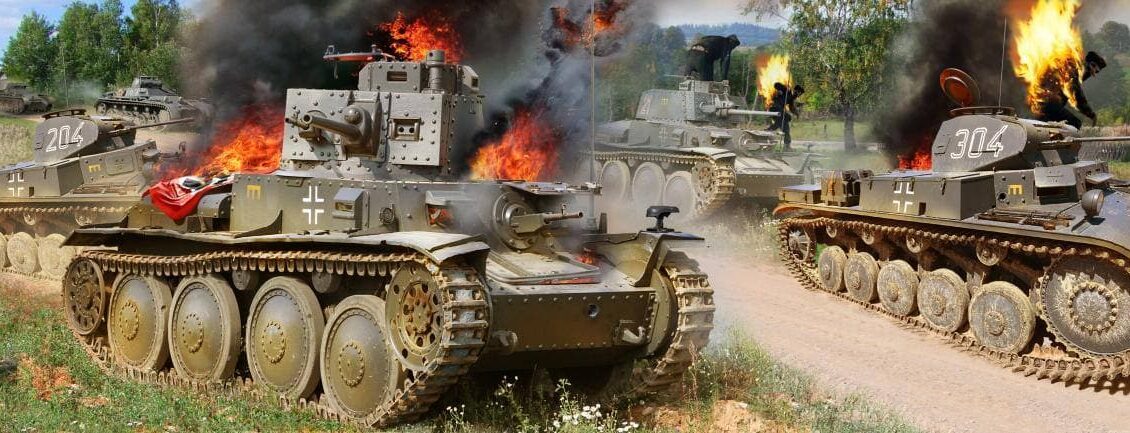
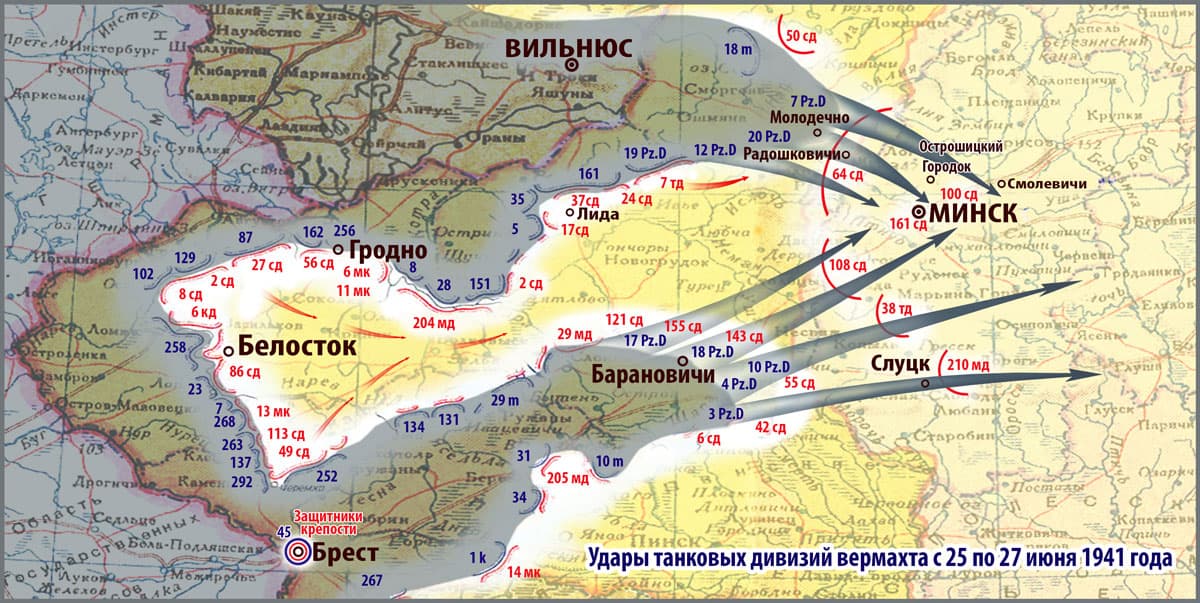
The Wehrmacht employed the same astonishing tactics against our army. On 24 June 1941, after taking Vilnius, three entire German panzer divisions turned towards Molodechno and advanced on Minsk. When the commander of the Western Front, Pavlov, was informed of this, he did not believe it. Considering such a deep armoured encirclement sheer madness, he sent the anti-tank guns towards Lida, where they became bogged down fighting Wehrmacht infantry divisions that did not have a single tank. Meanwhile, the German 7th, 12th and 20th Panzer Divisions left Vilnius and continued their advance into… an operational void. Despite encountering fierce resistance from Soviet units near Molodechno, by the evening of 25 June the German tanks had nevertheless reached the boundaries of the Minsk Fortified Region. In the fighting near Radoshkovichi, our reconnaissance troops managed to capture enemy maps that gave 27 June as the date for the German capture of Minsk. Yet here too, rather than becoming embroiled in prolonged fighting, the enemy units swept around Minsk in a wide arc from the north. Their sudden appearance near Ostroshitsky Gorodok even gave rise to a legend that the Germans had established a landing ground there and were airlifting troops to it. On 27 June, having severed the road to Moscow, units of the Wehrmacht’s 7th Panzer Division entered Smolevichi. Minsk was trapped. Meanwhile, far to the west, Red Army units had only just abandoned Białystok. They could not have imagined that, 400 km to their east, deep in their rear, the enemy had already cut off their line of retreat along the Moscow road.





 Russian
  English