
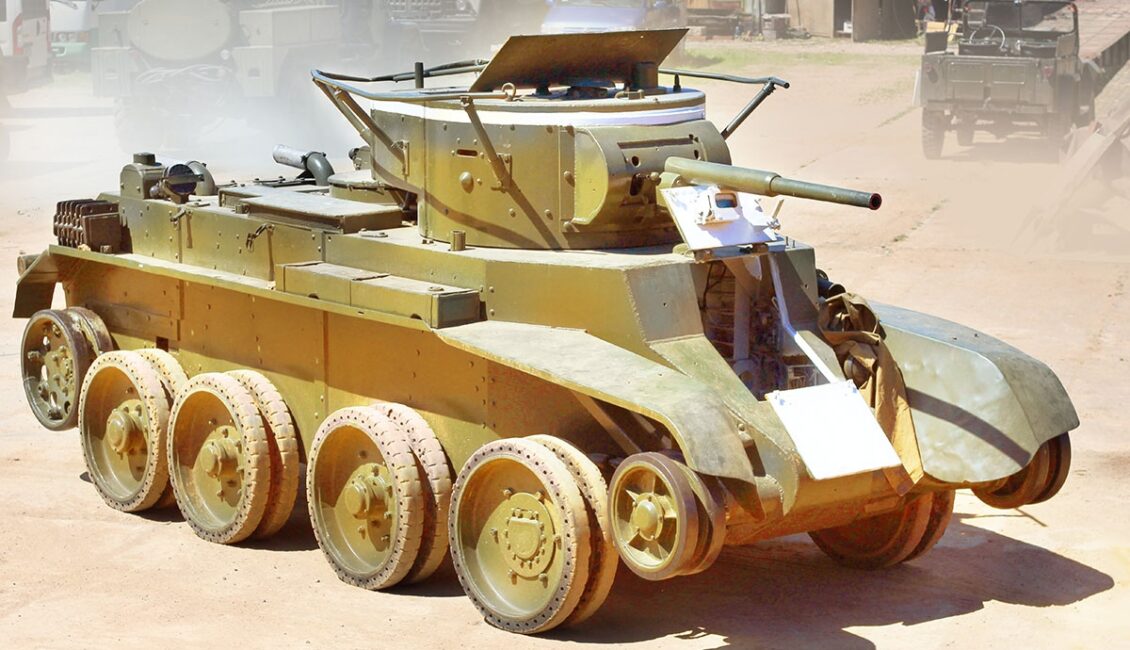
The BT-7 fast tank, Model 1935, was recovered from a marsh near the village of Shibeki in the Vitebsk Region in December 1998. Shells and loaded machine-gun magazines were found inside the tank.
.jpg)
Documents subsequently discovered revealed that in July 1941 the tank took part in the Soviet counterattack near Senno, and in 1939 it fought against the Japanese near the Khalkhin Gol River.
The Soviet BT family of fast tanks was developed from a tank designed by the American engineer John Walter Christie. He created the world’s first successful tank capable of travelling on both tracks and wheels. In wheeled mode, the driver controlled the tank using an automotive steering wheel; in tracked mode, using levers. Several Christie M1931 tanks underwent trials in the United States but were not adopted by the US Army.
.jpg)
.jpg/)
.jpg/)
.jpg/)
In 1931, a turretless Christie tank arrived in the Soviet Union and underwent trials. Walter Christie sold the technical documentation and a licence to manufacture the tank to the Soviet Union for $160,000.
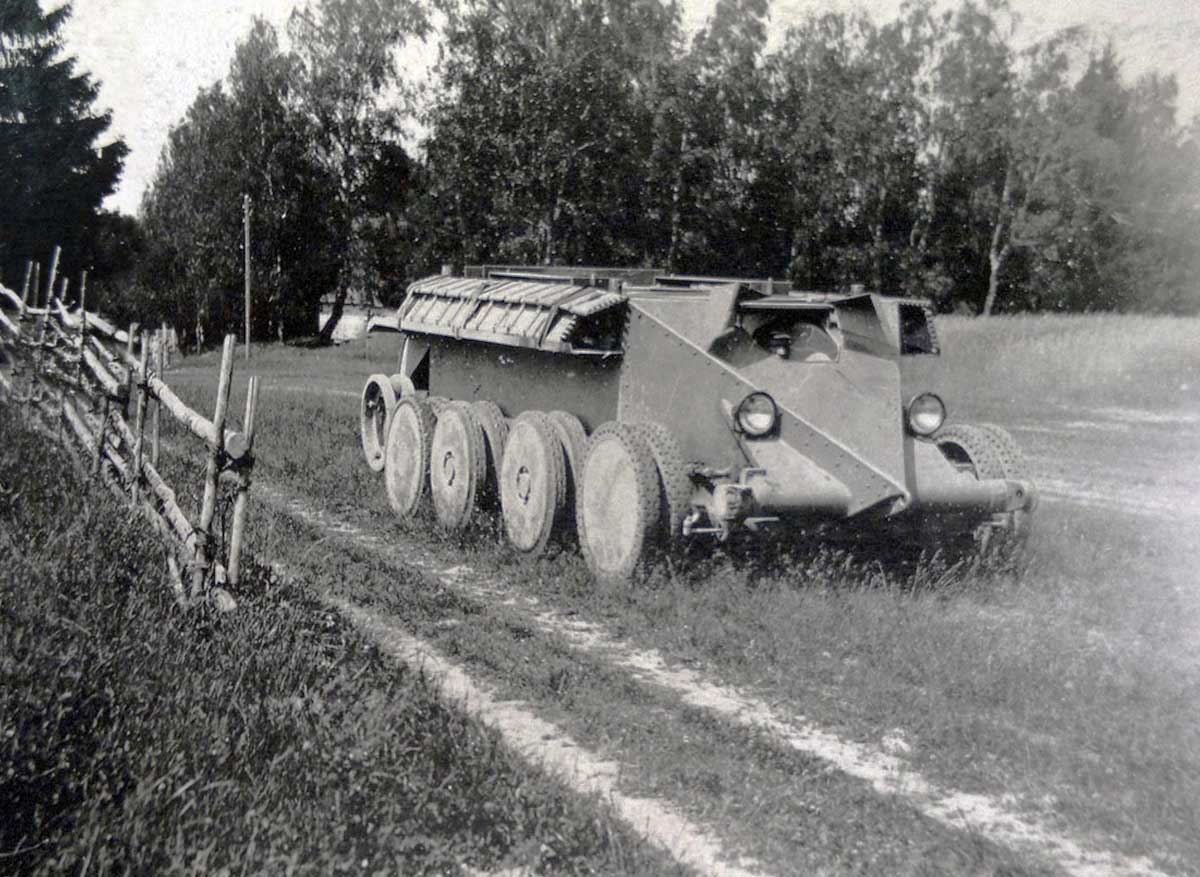
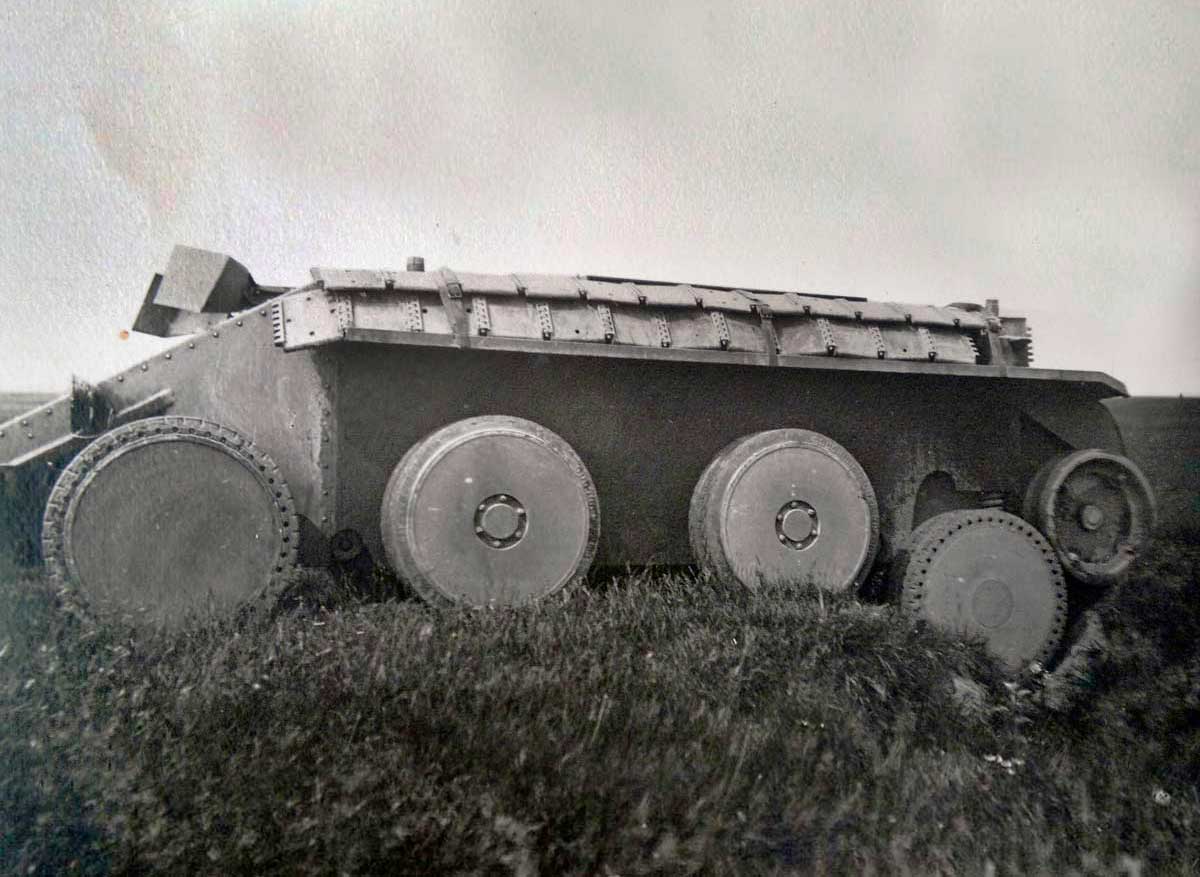
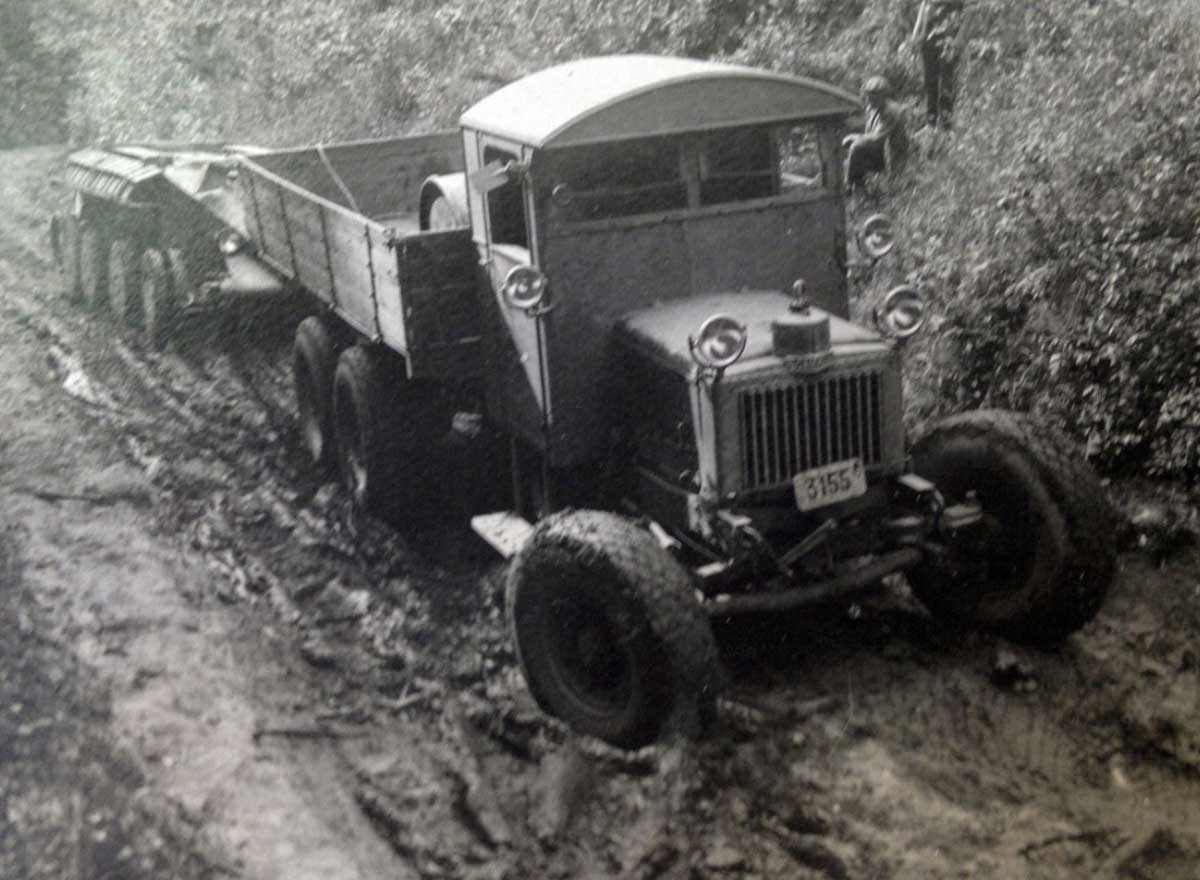
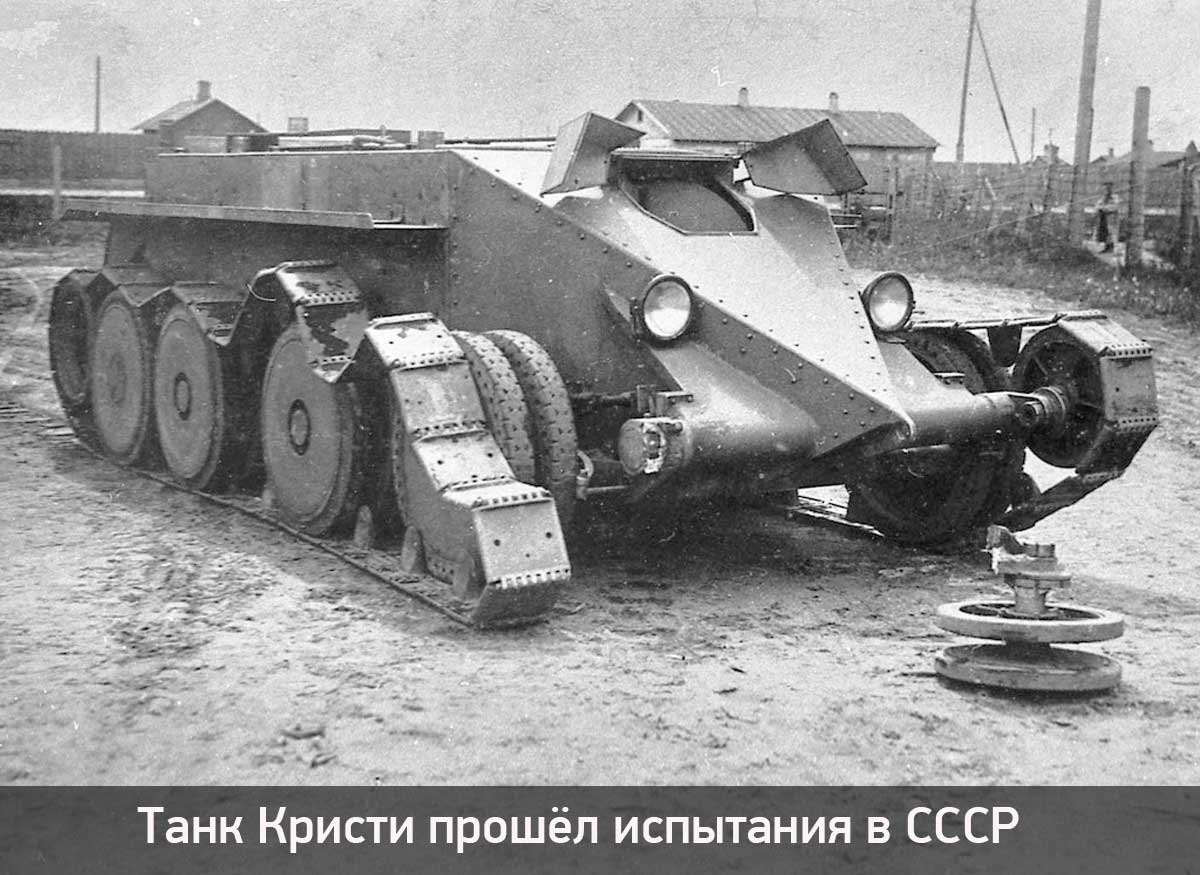
The Soviet version of the Christie tank was designated the BT, meaning ‘fast tank’. It could reach 72 km/h on wheels and 52 km/h on tracks.
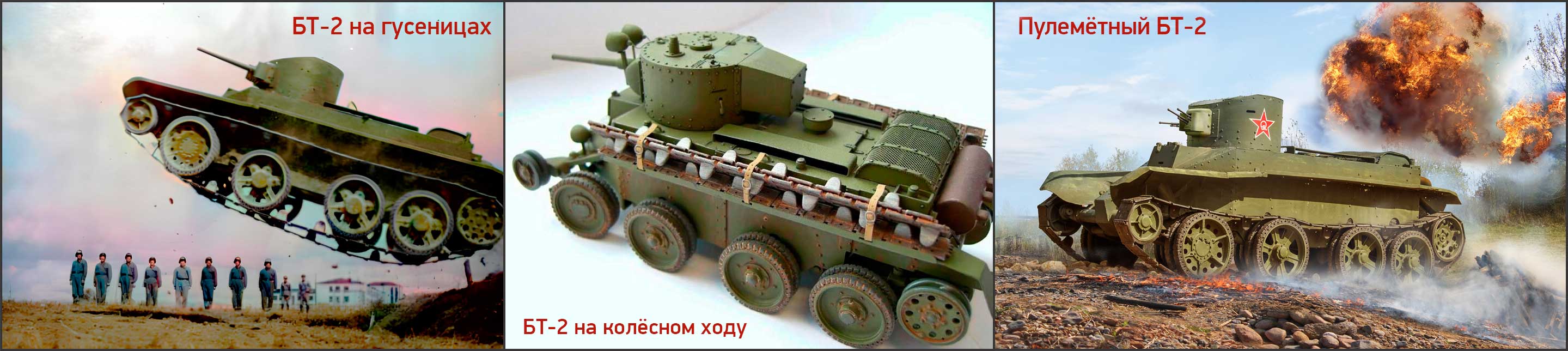
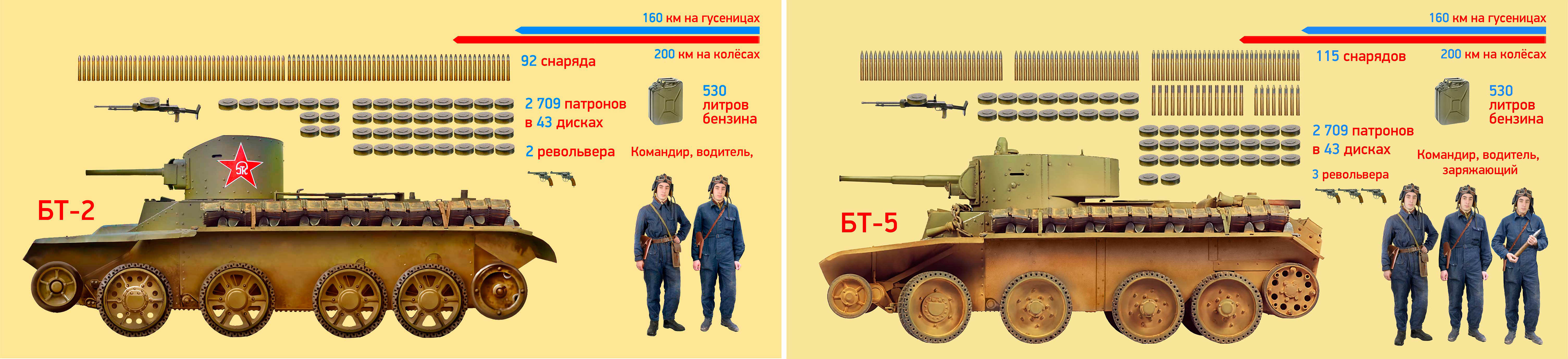
In 1932 and 1933, 617 BT-2 tanks were built in the USSR, armed with either a 37 mm gun and a machine gun or machine guns only.
In 1933 and 1934, 1,887 BT-5 tanks were built in the USSR, armed with a 45 mm gun and a machine gun.
In 1935 and 1936, 1,546 BT-7 tanks were built with the same turret as the BT-5. Command tanks were equipped with a radio set and therefore carried 40 fewer rounds.
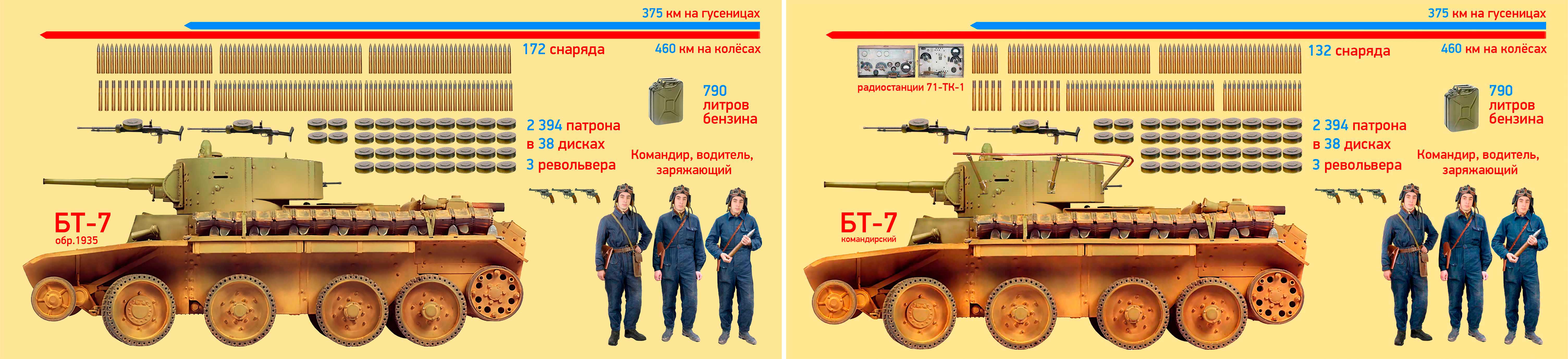
In 1938 and 1939, 3,244 BT-7 tanks with conical turrets were built. From December 1939 to June 1940, 787 BT-7M tanks with diesel engines were built.
Between 1934 and 1937, 134 BT-7A artillery tanks armed with a 76 mm gun were also built.
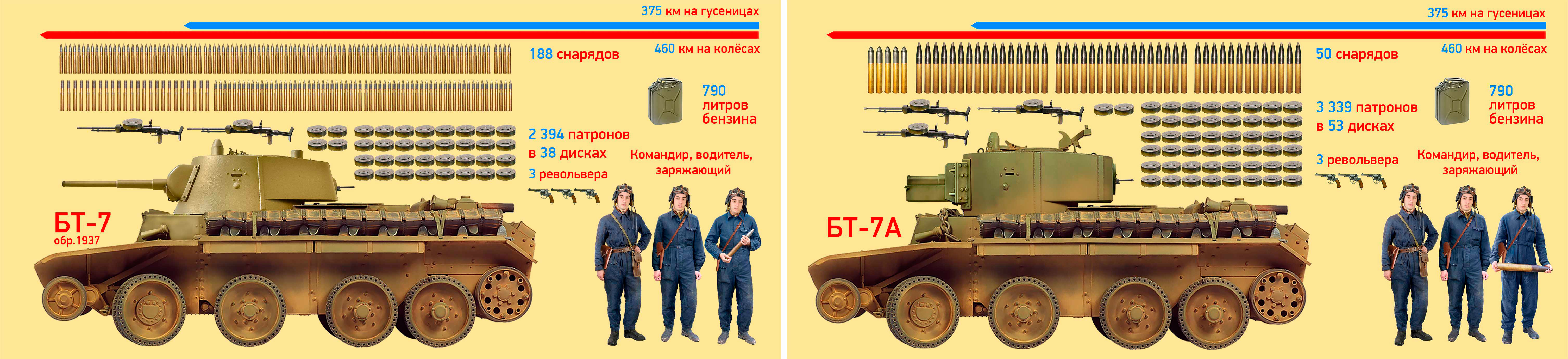
A total of 8,215 BT tanks of all variants were produced, making it the second most numerous pre-war Soviet tank after the T-26, of which 11,368 were built.

The BT-7 at Stalin Line is a command tank. It was equipped with a radio set and a frame antenna around the turret. The antenna is made of copper, while its supports are made of textolite.

The BT-7 has taken part in military parades in Minsk and Kubinka, featured in historical reenactments at the complex, and appeared in films and YouTube videos.
.jpg/)
.jpg/)
.jpg/)
.jpg/)
Our BT-7 appeared in the film “Tank Crewman”, which was released in 2020.
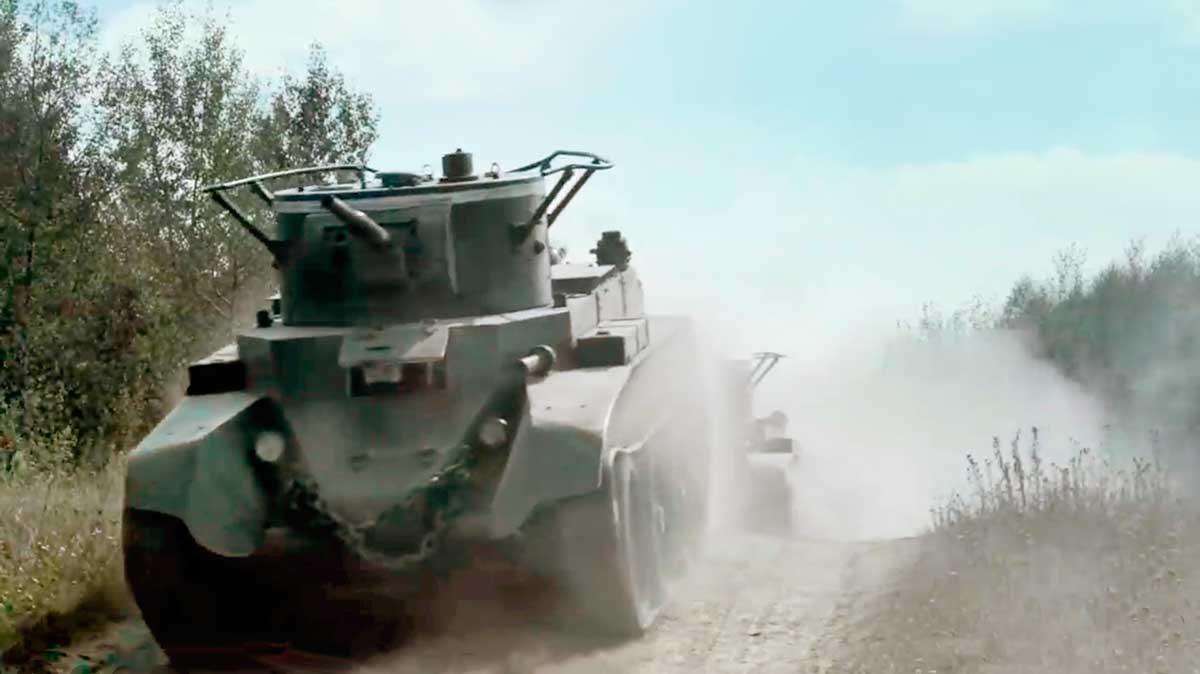
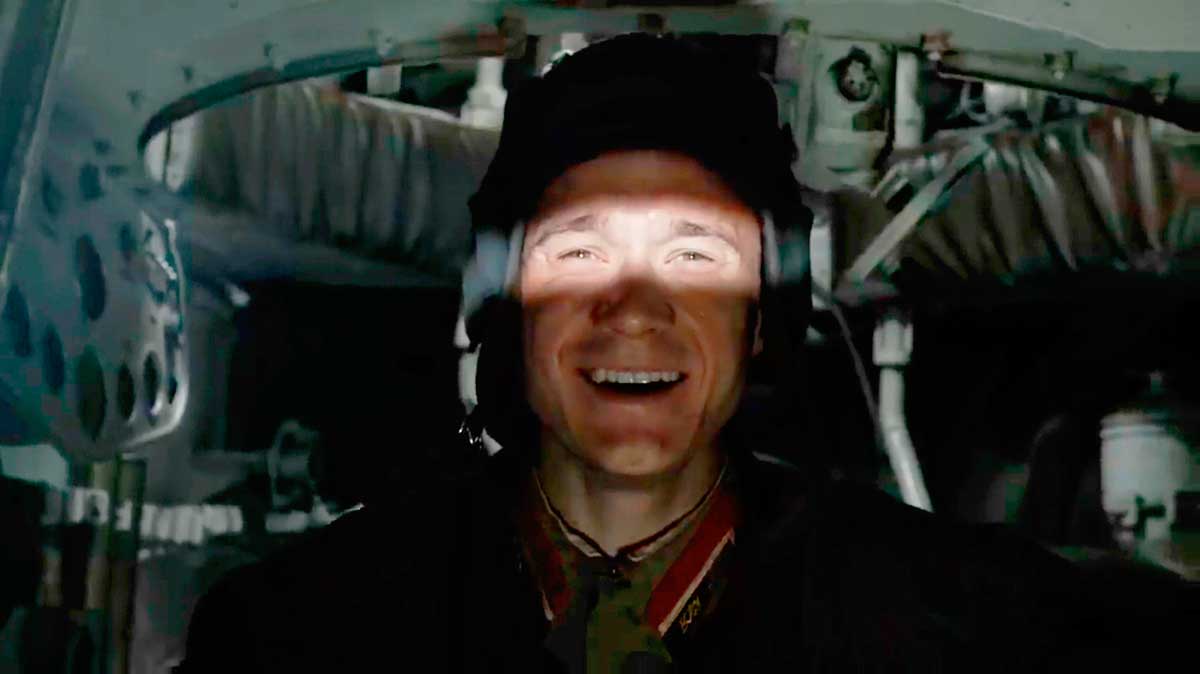
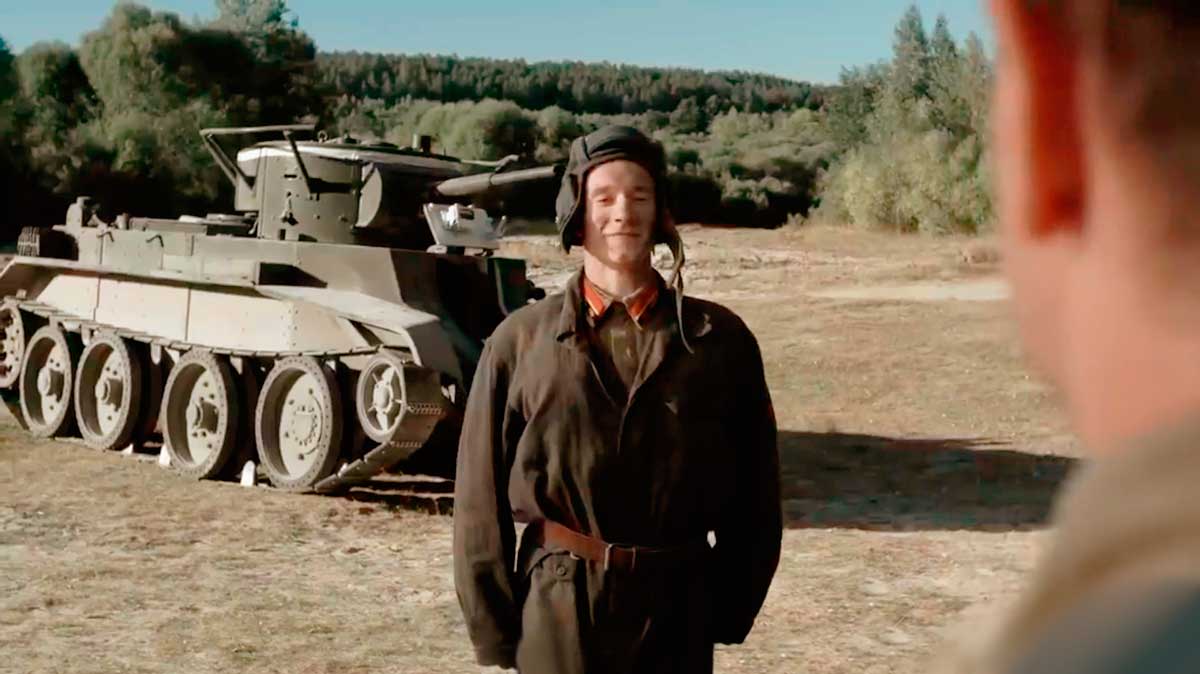
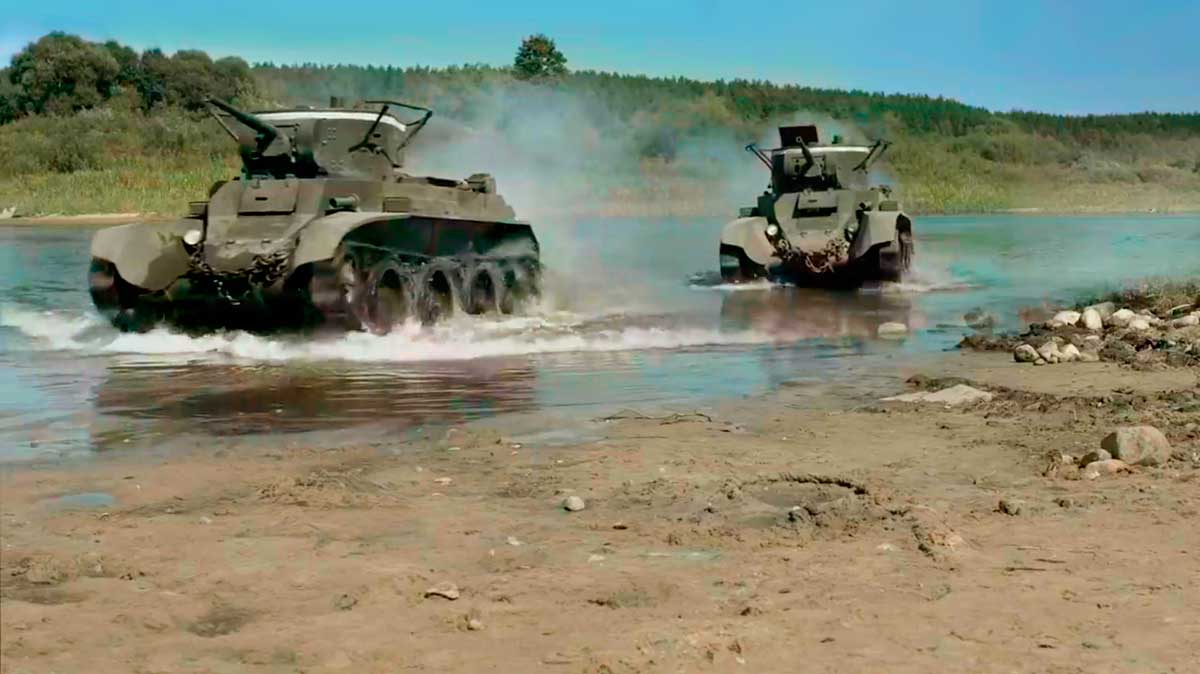
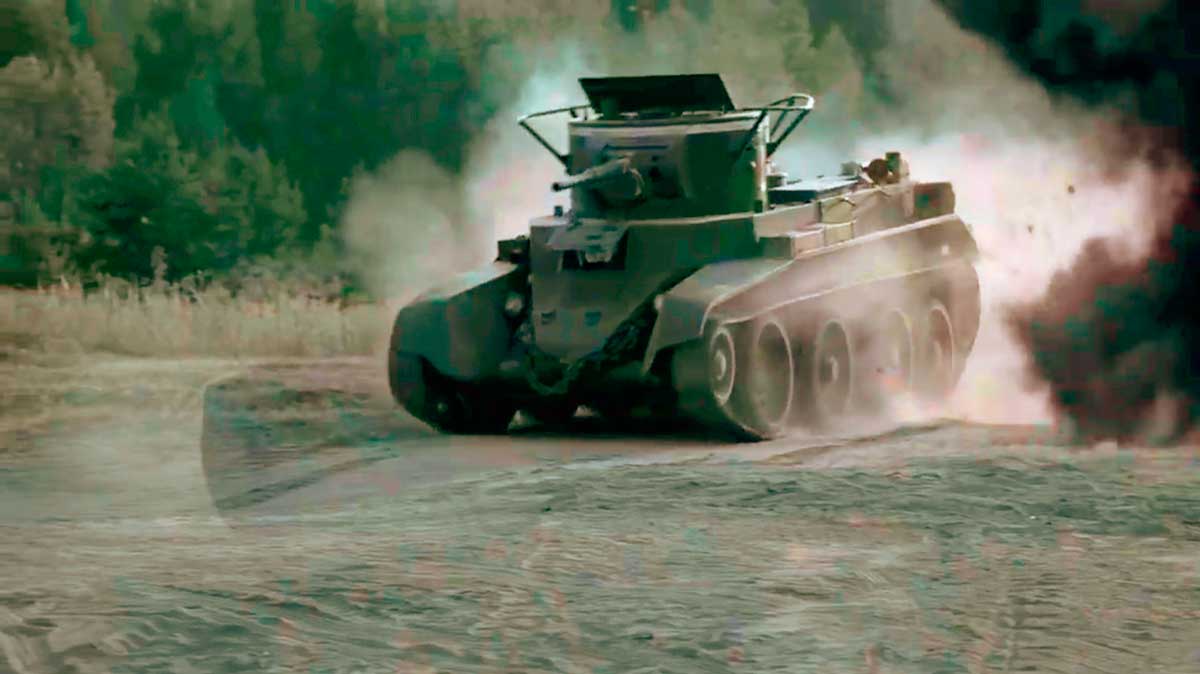
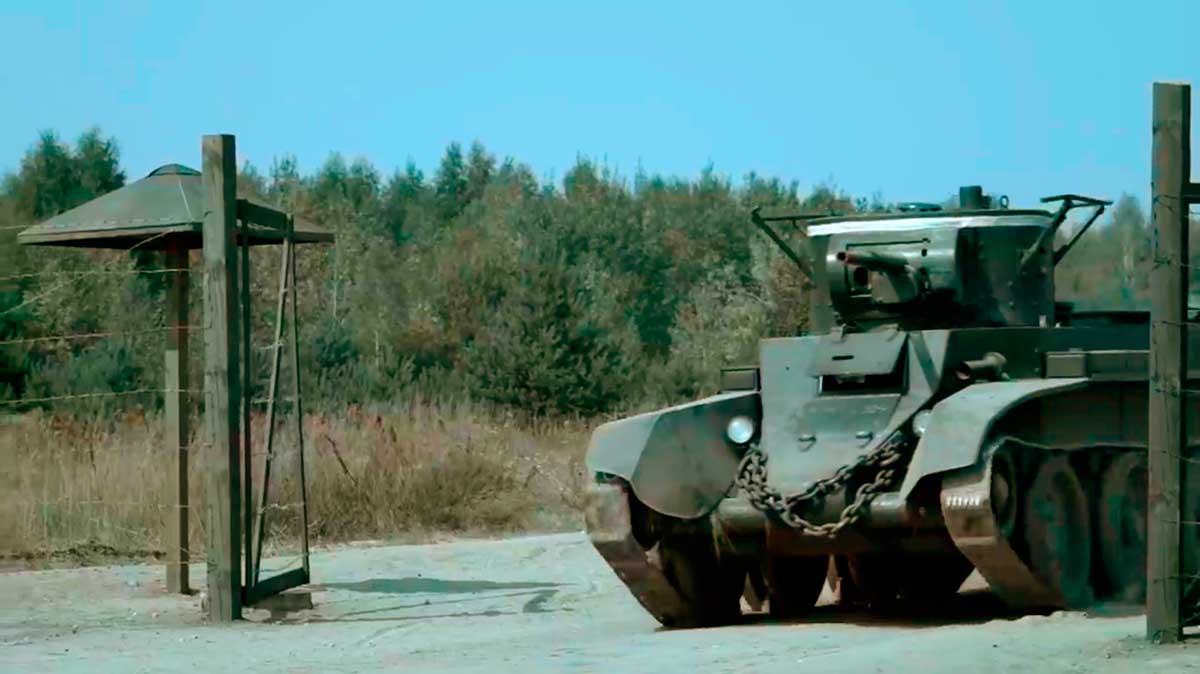
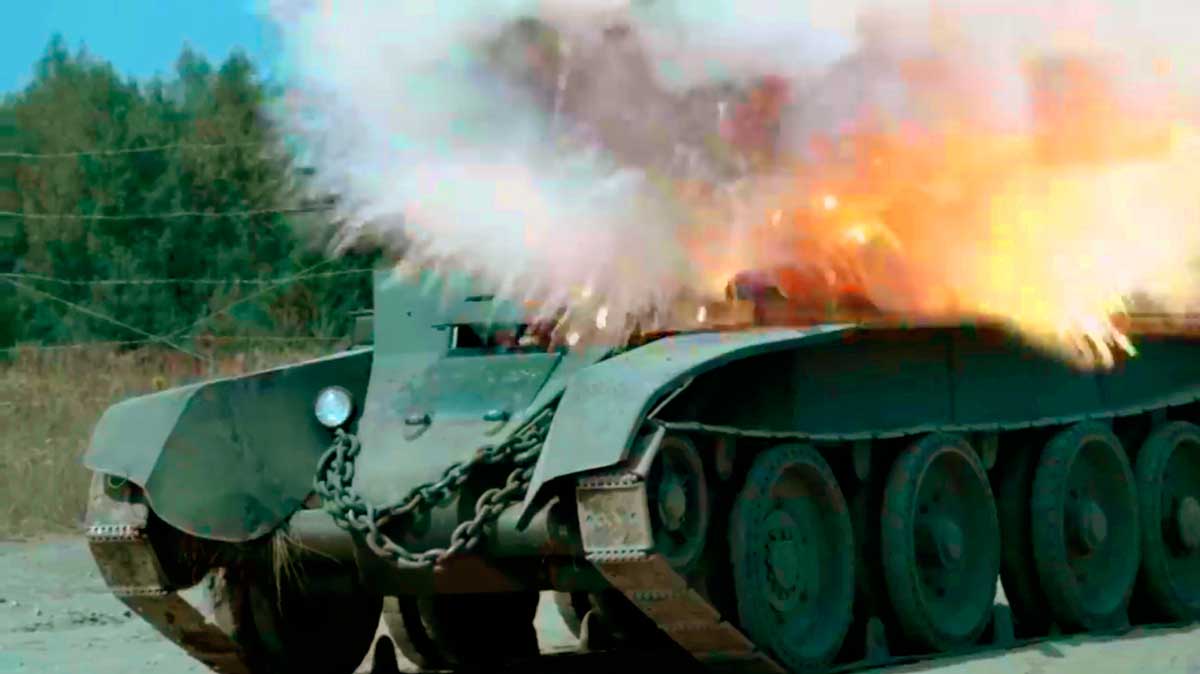
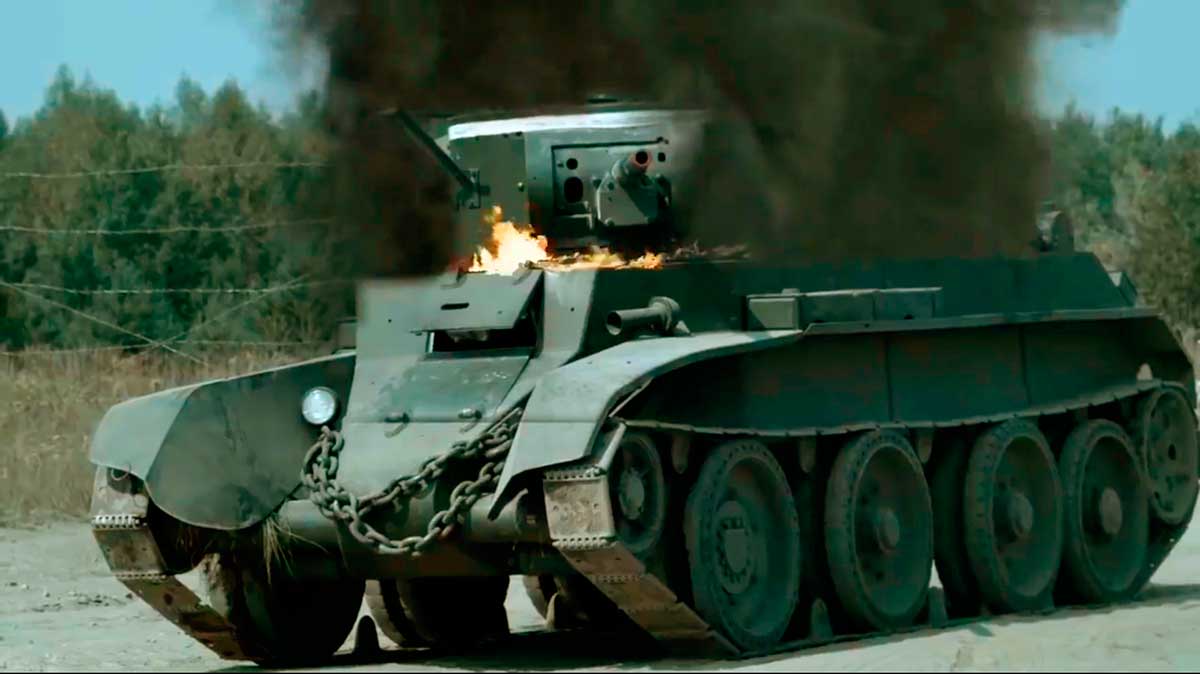
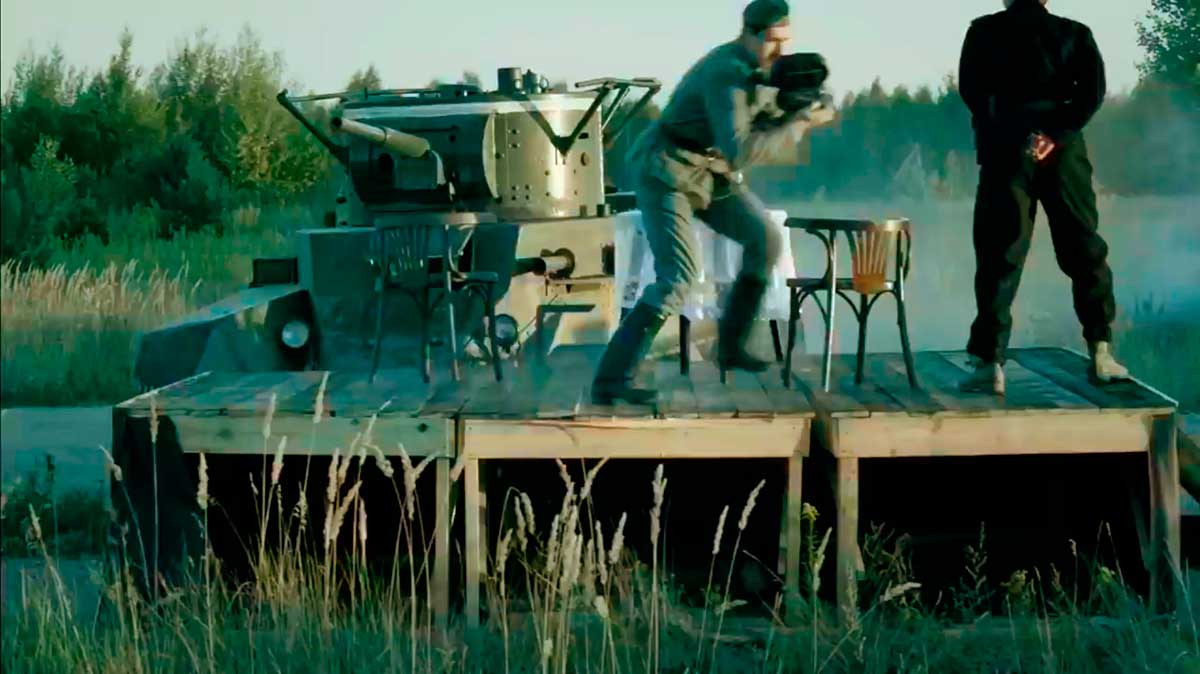
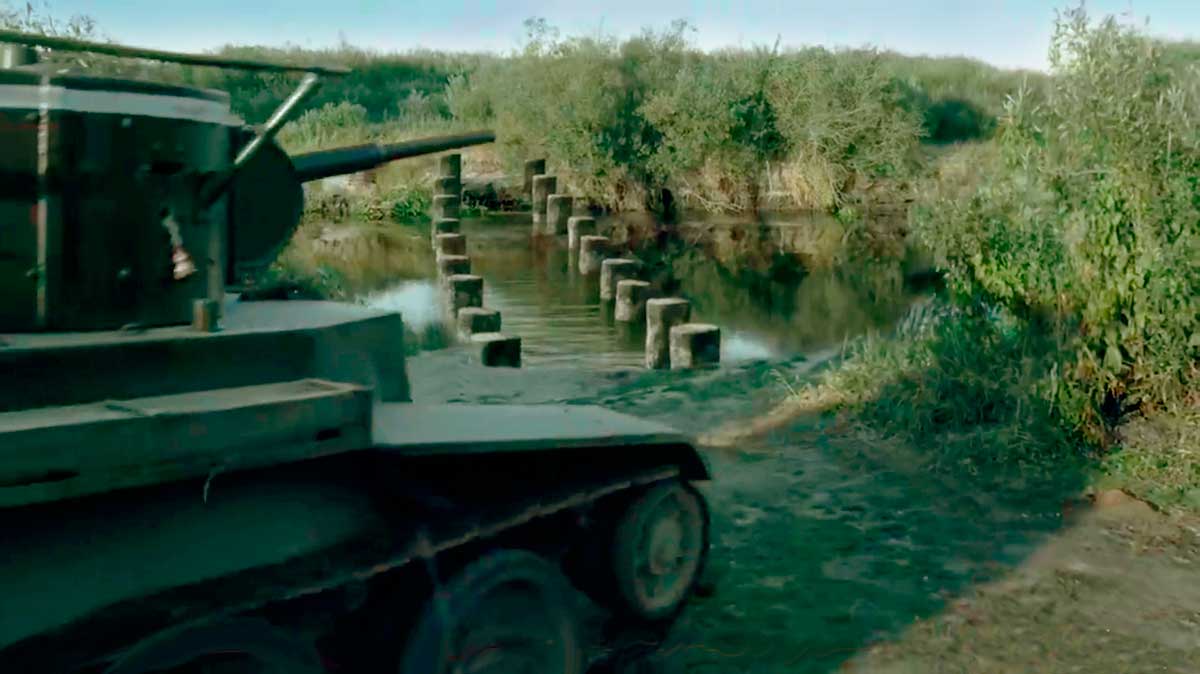
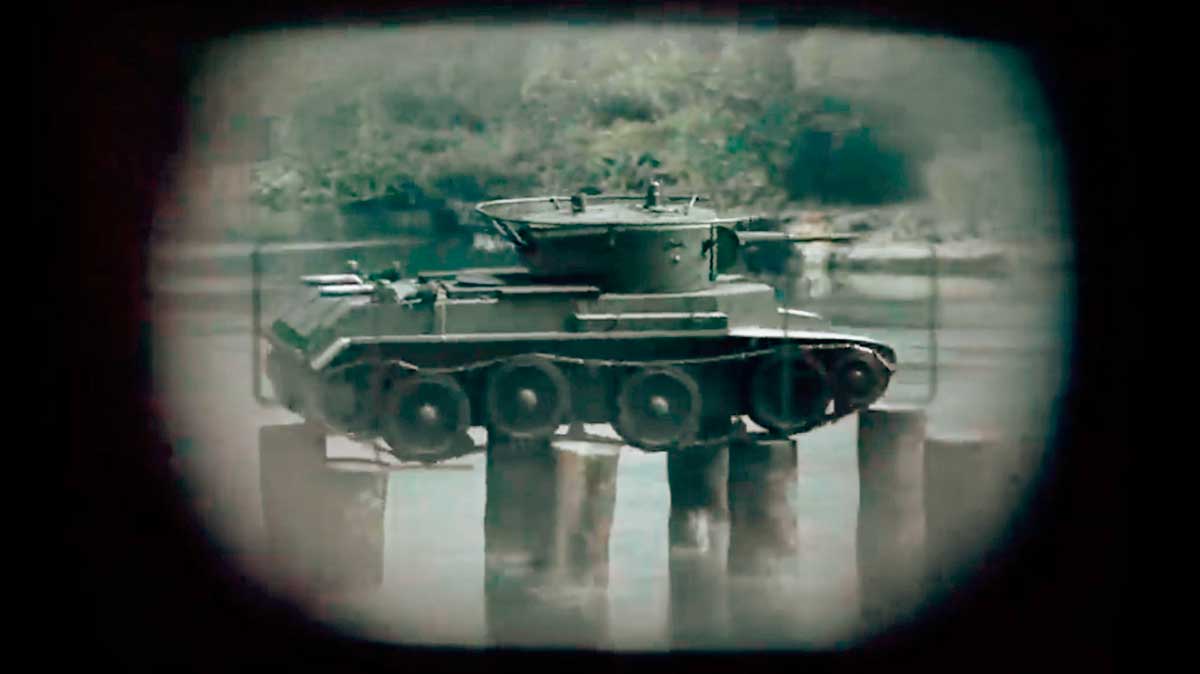
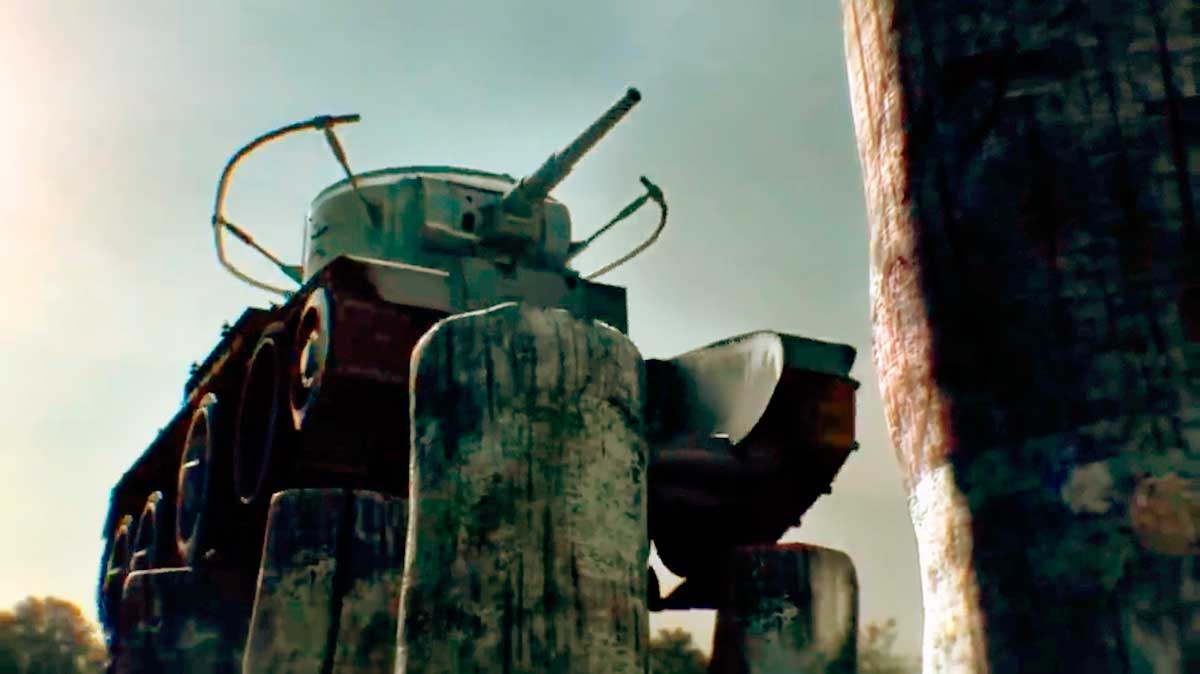
The BT-7 appeared in the teaser trailer for the film “Steel”.
.jpg)
.jpg)
.jpg)
.jpg)
.jpg)
.jpg)
.jpg)
.jpg)
The BT-7 appeared in the 2009 film “The Priest”. In the third photograph from the film, flames can clearly be seen coming from the exhaust pipe. This was a characteristic of the M-17T carburettor engine: flames would shoot out when the engine was switched off.
.jpg/)
.jpg/)
.jpg/)
.jpg/)
All BT tanks were fitted with the fire-prone M-17T carburettor engine. This caused our tank to catch fire three times as well. The Stalin Line therefore replaced the M-17T with a diesel engine from a PT-76 tank.
In 2021, the BT-7 tank underwent a complete overhaul at the Stalin Line. Read the report here:
https://stalin-line.by/nashi-proekty/proekty/tanki/item/763-kapitalnyj-remont-bt-7-na-linii-stalina

 Russian
  English