
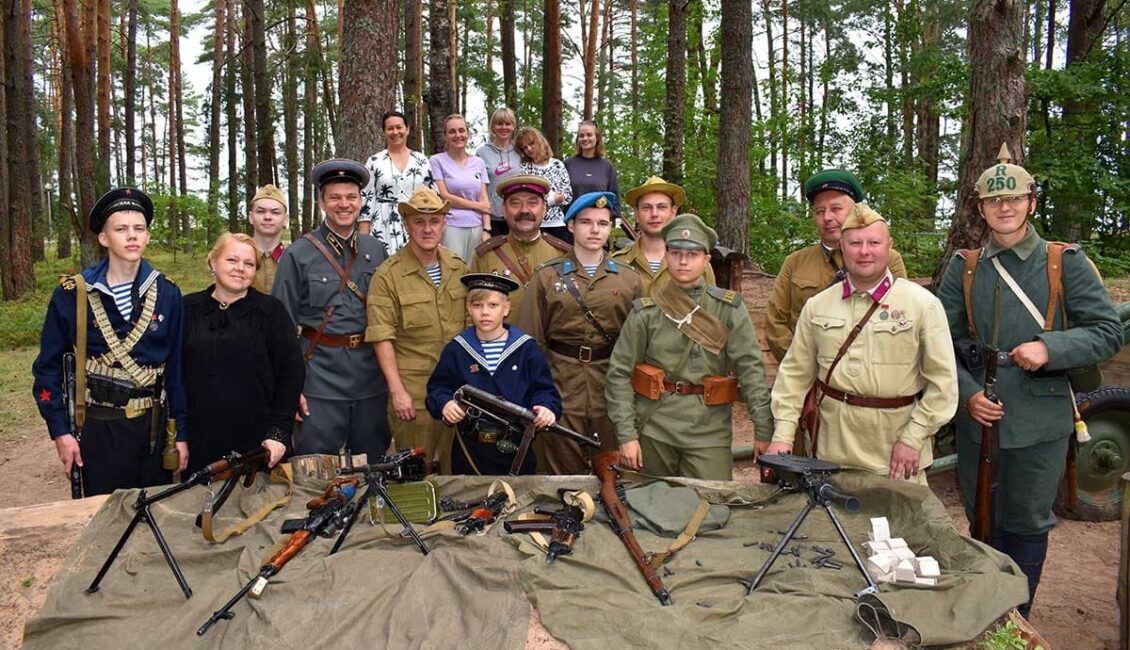
20 и 21 августа 2022 года сотрудники историко-культурного комплекса «Линия Сталина» уже в третий раз посетили Национальный детский центр «Зубрёнок». В Год исторической памяти темой их выступлений были три эпохальных события в истории нашей страны: Великая Отечественная, Первая мировая и Афганская войны.
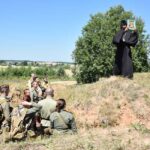
20 августа состоялись лекции. Борис Проказов рассказал детям об оборонительной «Линии Сталина», о её реальном вкладе в срыве немецкого плана молниеносной войны и о сохранении памяти подвига советского народа в историко-культурном комплексе.
.jpg)
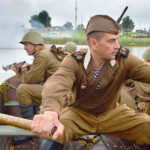
Реконструкторы Егор и Тимур Гришкевичи раскрыли тему участия Днепровской военной флотилии как в освобождении Беларуси, так и в штурме нацистского логова в Берлине.
.jpg)
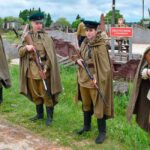
Заместитель командира клуба «Солдаты Победы» Сергей Пушнов на примере двух реконструкторов бойцов Красной Армии рассказал ребятам о разнице в форме образцов 1935 и 1943 годов. На своём примере он рассказал о форме и снаряжении советского командира – младшего лейтенанта Красной Армии.
.jpg/)
.jpg/)
.jpg/)
.jpg/)
Реконструктор гражданского населения Ольга Гришкевич провела историческую викторину, победители которой получили специальные сертификаты.
.jpg)
Руководитель группы по ремонту музейного оружия и оборудования ИКК «Линия Сталина» Сергей Захаров провёл лекцию о развитии стрелкового оружия, продемонстрировав образцы от реплики нарезного егерского штуцера 1798 года до ручного пулемёта Калашникова.

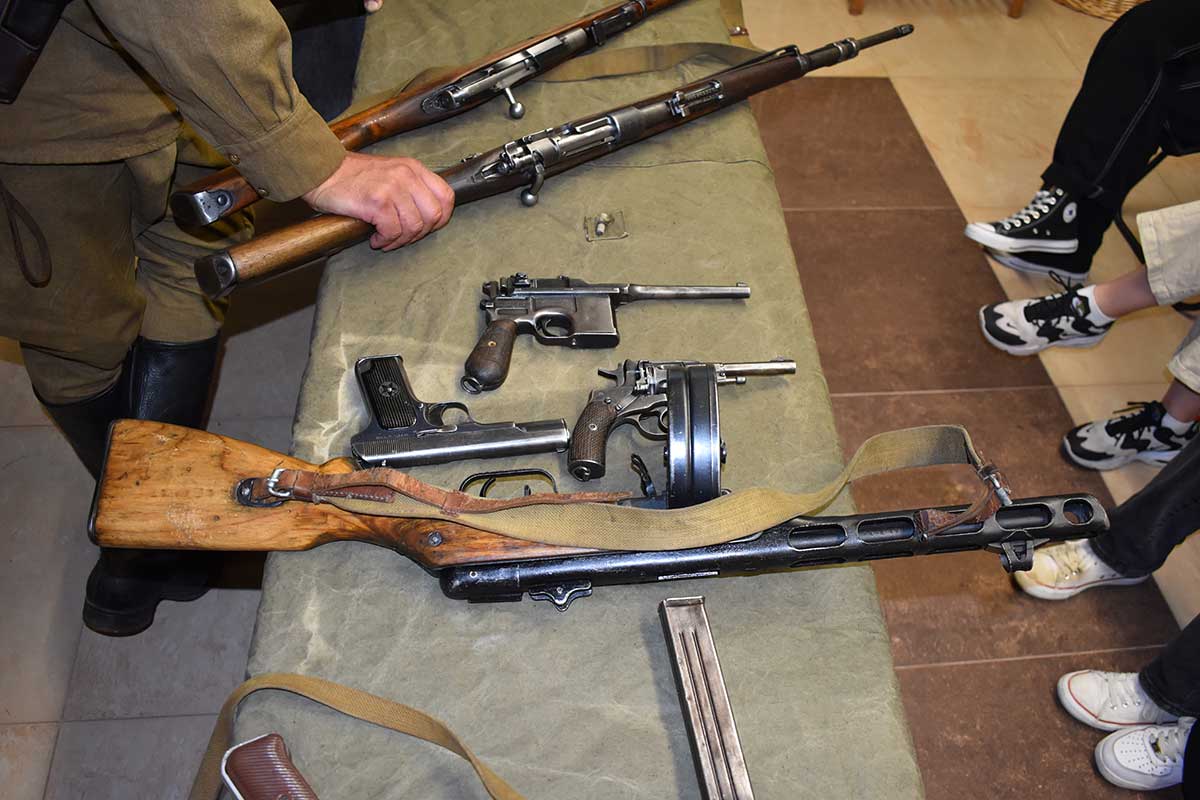

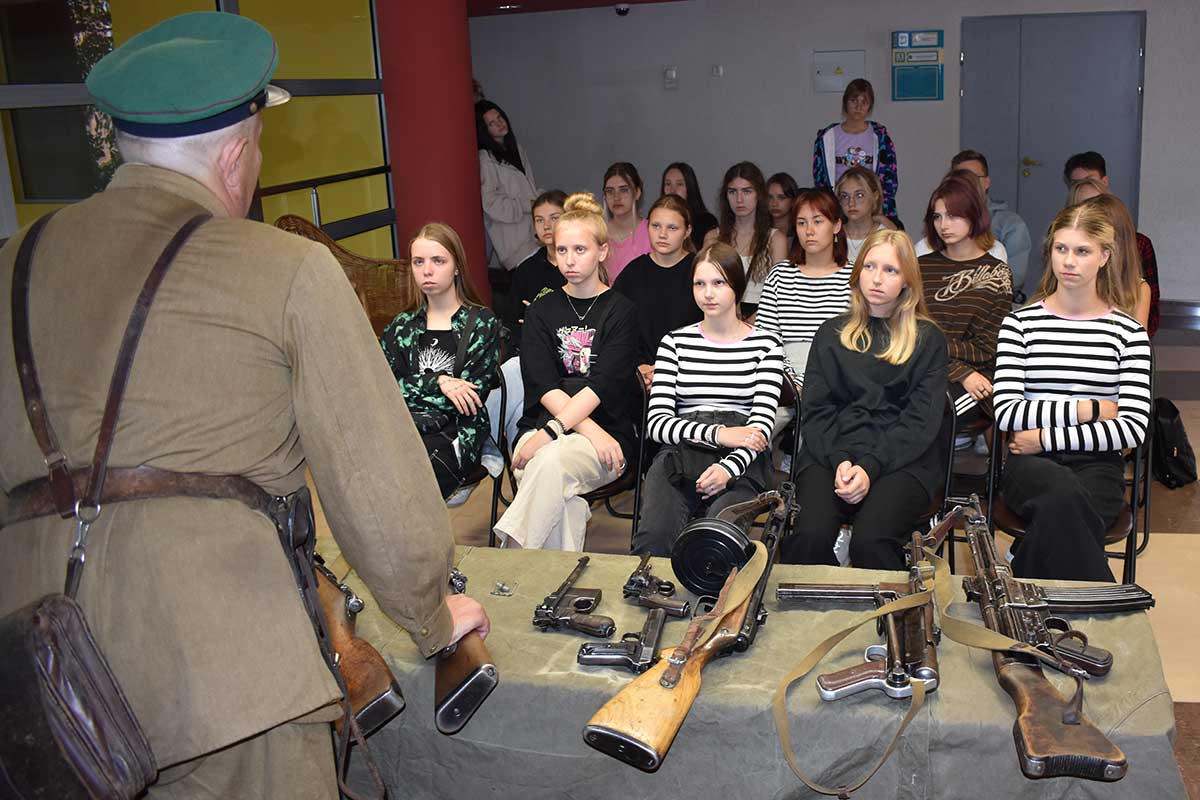
Сотрудник ИКК «Линия Сталина» Павел Петрухин рассказал о жертвенной миссии Русской Императорской армия (РИА) в Первой мировой войне. В 1914 году своим наступлением в Восточной Пруссии РИА спасла своих союзников (Францию и Великобританию) от их разгрома Германской армией под Парижем. В 1916-м, проведя Нарочанскую операцию, наша армия снова спасла франко-британские войска от поражения, оттянув на себя немецкие части из под Вердена.
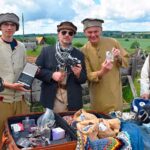
Затем Павел провёл викторину и рассказал о военном обмундировании солдат германской и русской армий. Помогал ему реконструктор рядового Русской Императорской армии Андрей Рощеня. Сам Павел был в форме рядового резервного 250-го полка Германской армии, воевавшего в районе озера Нарочь.


.jpg/)
.jpg/)
.jpg/)
.jpg/)
.jpg/)
.jpg/)
.jpg/)
.jpg/)
Заместитель командира клуба «Шурави» Дмитрий Ковалевский рассказал об Ограниченном контингенте Советских войск, который вёл боевые действия в Афганистане с 1979 по 1989 год, и провёл викторину. Помогал ему Артём Бобровский. После лекции дети могли заняться разборкой-сборкой автомата АК-74 или сфотографироваться с пулемётами ПК и РПК, снайперской винтовкой СВД и гранатомётом.

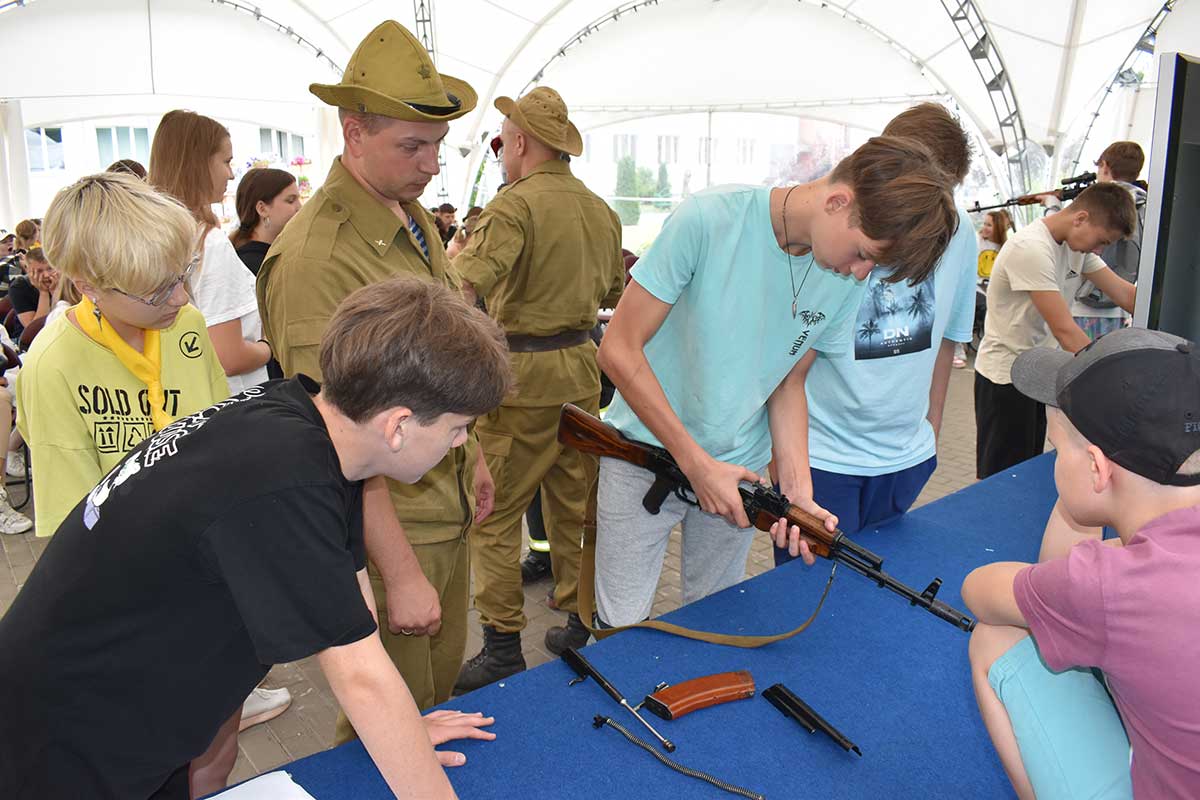


Дмитрий Ковалевский, как действующий майор МЧС, помогал детям примерять на себя и костюм современного пожарного.
.jpg/)
.jpg/)
.jpg/)
.jpg/)
.jpg/)
.jpg/)
.jpg/)
.jpg/)
.jpg/)
.jpg/)
.jpg/)
.jpg/)
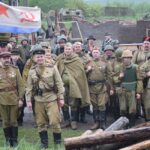
21 августа на исторической тропе «Зубрёнка» у памятной доски Героя Советского Союза Пономарёва Петра Тихоновича была оборудована стрелковая площадка. Победители викторины облачались в форму бойца или разведчика Красной Армии, фотографировались на память одни, с реконструкторами и исполнительным директором ИКК «Линия Сталина» Александром Метла, а затем проходили на стрелковую площадку, чтобы пострелять из охолощённого оружия.
%201.jpg/)
%202.jpg/)
%203.jpg/)
%201.jpg/)
%202.jpg/)
%203.jpg/)
%201.jpg/)
%202.jpg/)
%203.jpg/)
Остальные ребята стреляли из оружия, не облачаясь в форму красноармейцев.

 Russian
  English