

Dajan Bajanovich Murzin, a Tatar, was born on 20 January 1921 into a family with six sons and one daughter. From an early age, the head of the family taught his sons to ride a horse, exercise on the horizontal bar, swim and run well. As a result, they grew up physically strong and resilient.
After leaving school, Dajan worked briefly as a teacher and was appointed headmaster in 1938. He was called up for military service in 1939. In May 1941, he graduated from a military school in Riga and entered the war as a platoon commander in the 10th Rifle Division. On 26 June 1941, however, Murzin was seriously wounded in the neck during a bayonet charge. His comrades concealed him and left him on the outskirts of Riga, where Dajan spent two days before being found by a passing Latvian farmer. The farmer took the wounded Murzin to a hospital where both German and Soviet soldiers were being treated. There, Dajan met a marine named Ivan, and together they decided to escape to avoid being sent to a concentration camp. A nurse named Vera, the wife of a Red Army major, helped them arrange their escape from the hospital. After walking across the whole of Belarus, the fugitives reached the partisans of the renowned Sidor Kovpak, where Murzin became a company commander.
In August 1942, Dajan’s Tatar background enabled him to infiltrate the Turkestan Legion, which fought on the side of Nazi Germany, as a Soviet agent. As a Tatar, he not only spoke Tatar and Bashkir well but also understood Kazakh, Uzbek and Kyrgyz. This helped him secure the post of commander of the legion’s headquarters company; the legion consisted of men from Central Asia. As a result of Murzin’s activities, several units of the Turkestan Legion and the Idel-Ural Legion defected to the Red Army during 1943, after which he himself left the Turkestan Legion. In late 1943, Dajan organised a partisan detachment that fought successfully in the Vinnytsia and Odesa regions and subsequently in Moldavia.
In August 1944, Murzin was parachuted into Slovakia as part of a group of Slovak and Czech reconnaissance and sabotage operatives tasked with organising a partisan movement. The group comprised commander Ján Ušiak; chief of staff Captain Dajan Murzin; deputy commander for intelligence Pavel Morozov; sabotage group commander Pavel Kudela; deputy chief of staff Martin Valaštiak; political commissar Alexander Tursky; senior radio operator Vladimir Kolomatsky; radio operator Alexandra Timokhova; military doctor Mirgalim Latypov; scout Valentin Nikolaev; company commander Ondřej Melek; Jan Kolodziej, responsible for organising food supplies; and paratroopers Michal Dupkala, Štefan Petruš, Ján Sedeč, Jozef Michálek, František Tkáč, Michal Masarik, Jozef Nemec, Ján Ščur and František Ralbovský — 21 people in all: 13 Czechoslovaks and eight Soviet soldiers.
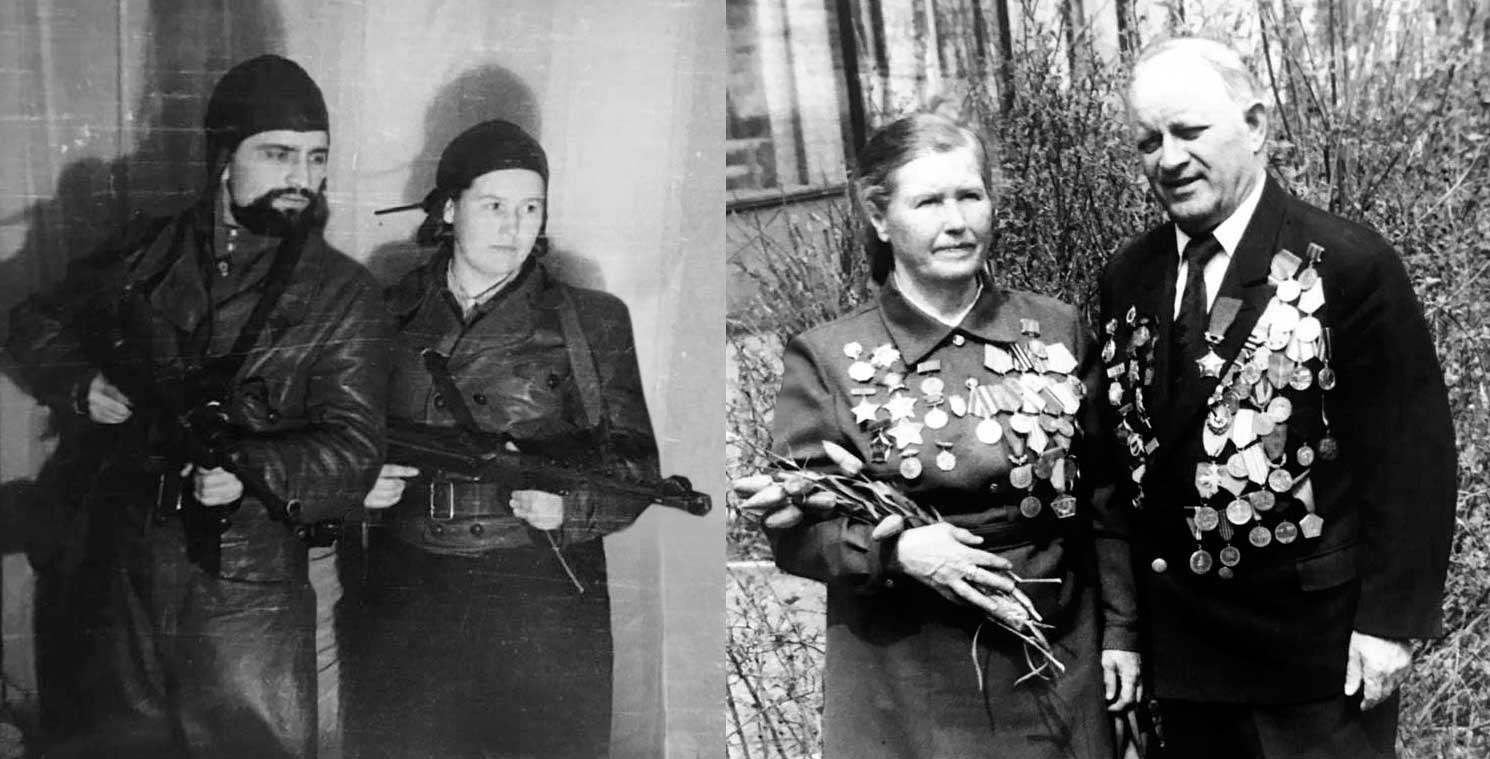
When a 21-strong partisan detachment in Slovakia grew into the Jan Žižka International Brigade, in which not only Slovaks and Czechs but also fighters of other nationalities fought against the Nazis — around 2,000 people in all — Dayan Murzin took command. To appear older than his 23 years, the commander grew a beard.
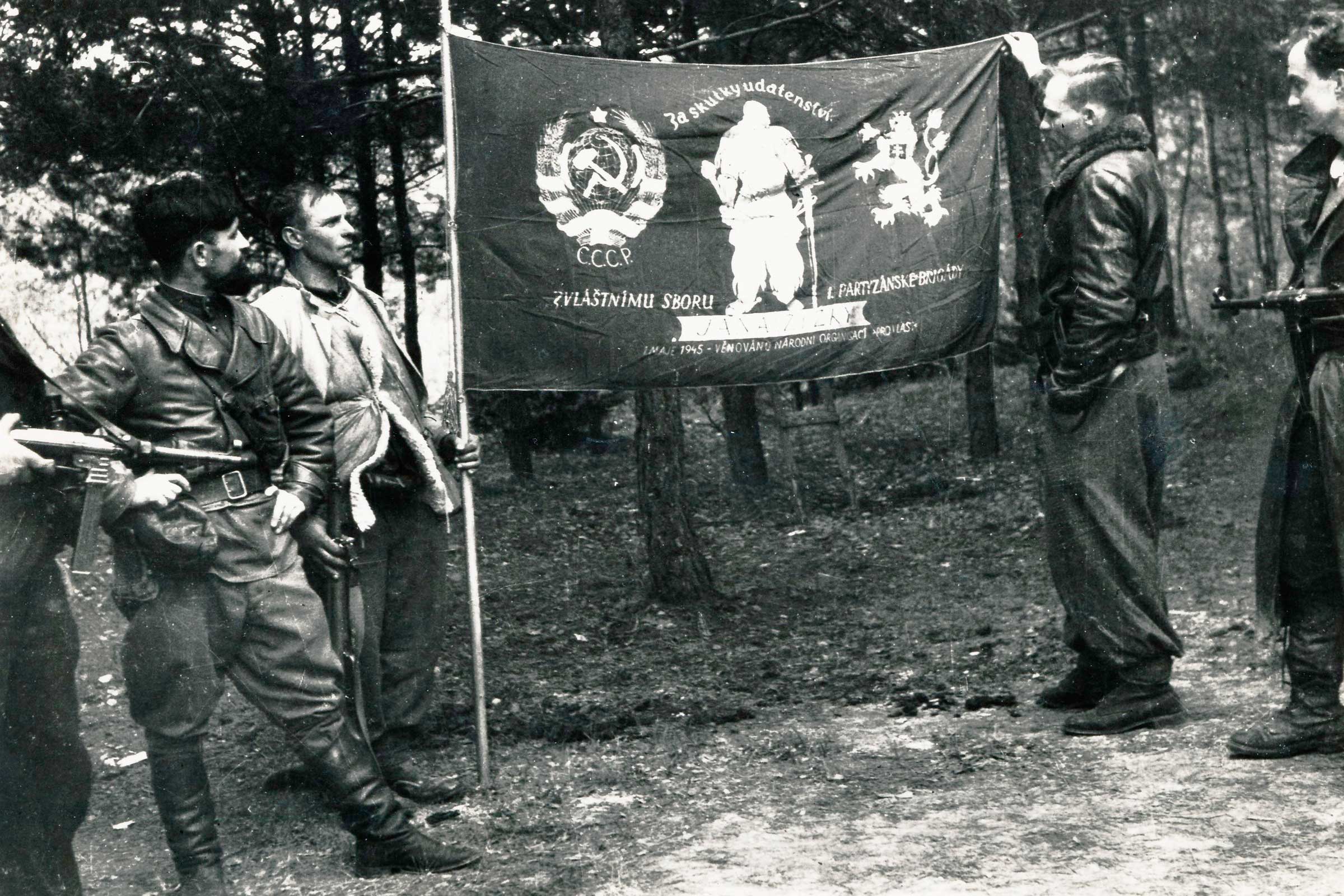
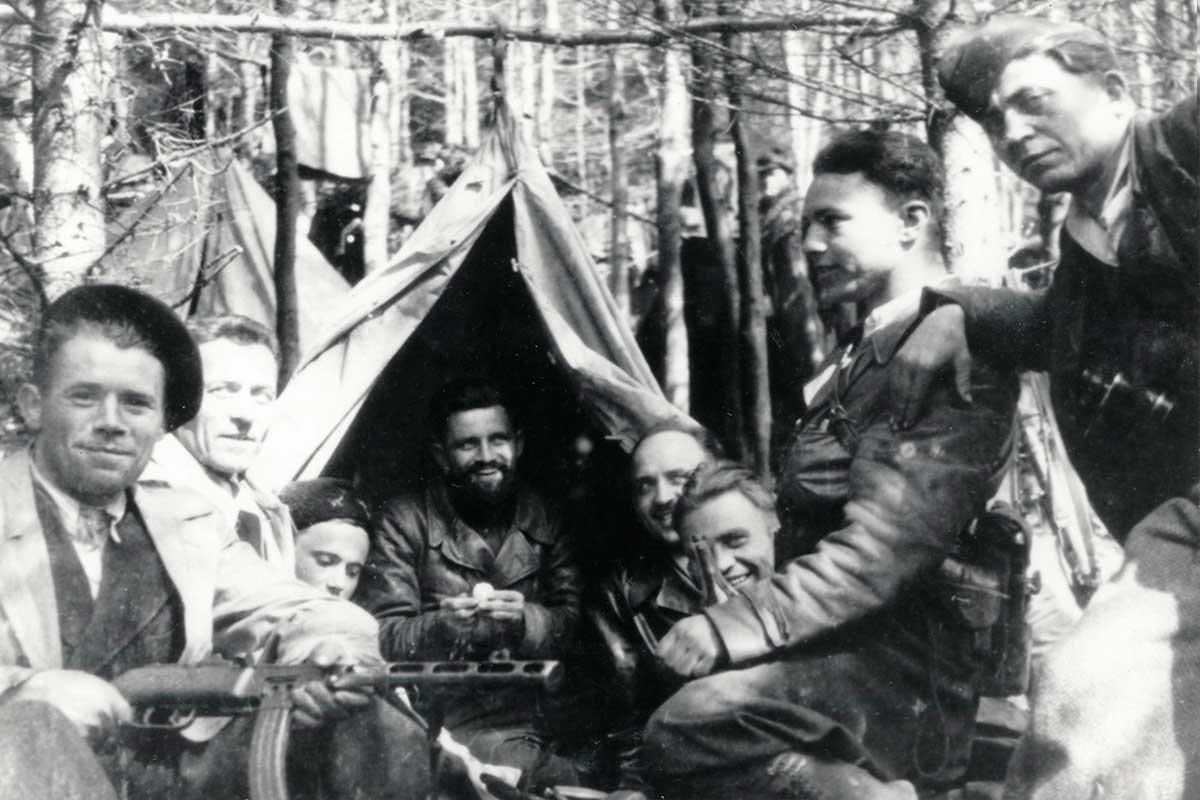
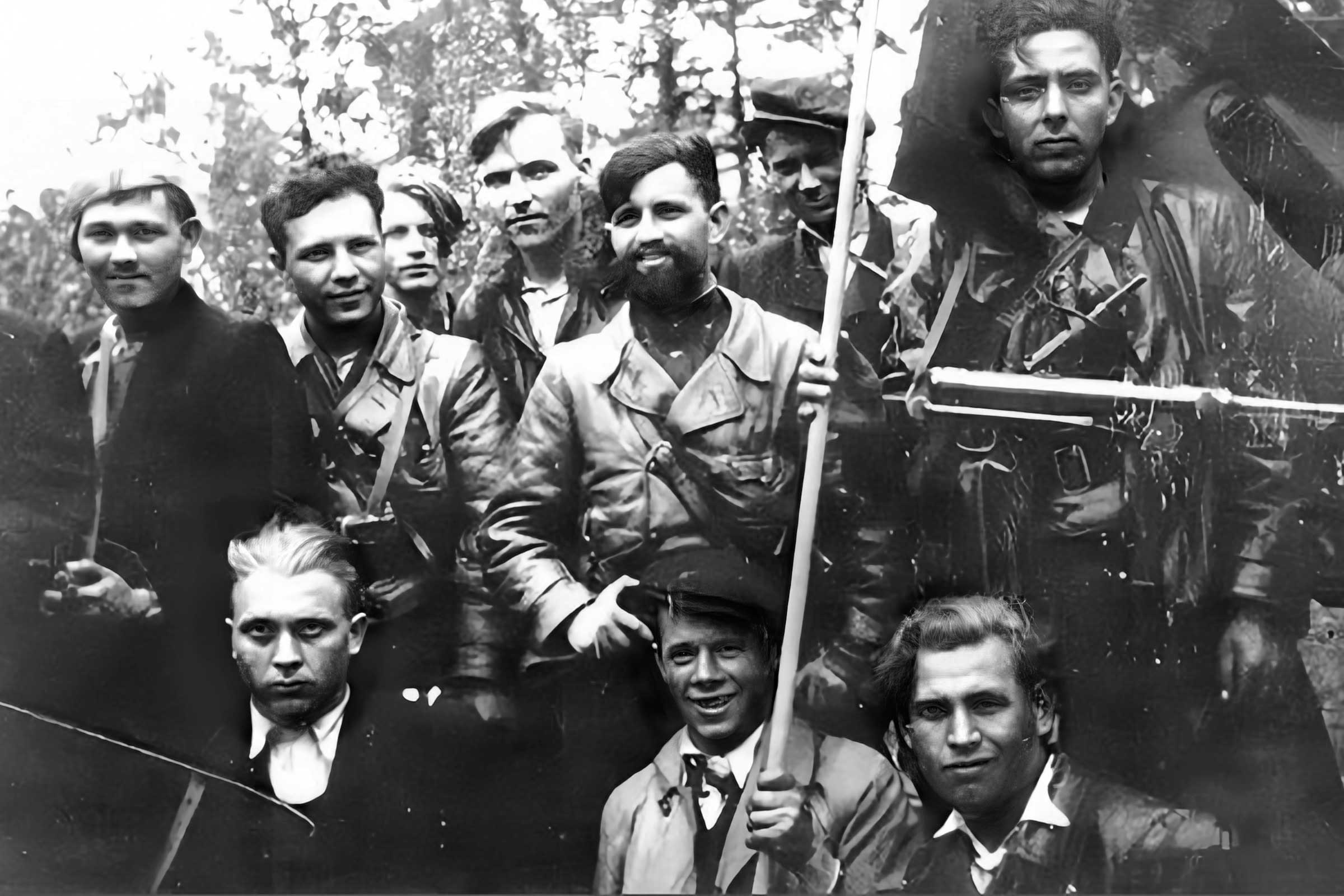
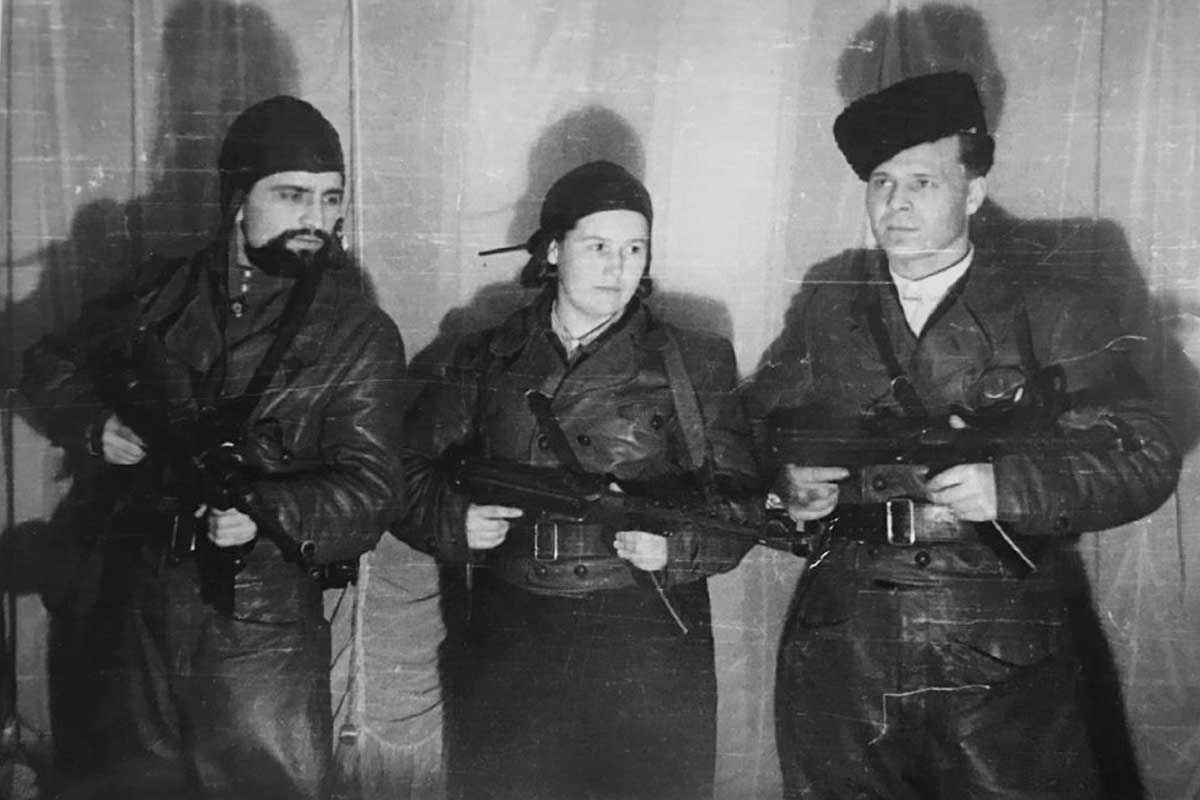
Already a major in the Red Army, Murzin displayed his talents so impressively that the Germans began calling him the ‘Black General’. This was not so much because of his thick black beard, but because they believed that only a general could command such a large formation and inflict so much damage on the Reich. Dayan Bayanovich’s partisans disabled dozens of military trains, captured an airfield with 18 combat aircraft, knocked out 19 tanks, destroyed more than 200 vehicles, blew up 19 railway bridges, killed 4,179 soldiers and officers of Hitler’s army and took 245 prisoner. For these exploits, Hitler placed Murzin on his personal execution list and offered a cash reward for his capture. SS units launched a manhunt for the ‘Black General’ and his brigade. Dayan was wounded during one search involving dogs, but local foresters Indzhikh Tkach and Jan Kzhinovsky hid the hero in an empty bear’s den. Its powerful smell prevented the German Shepherd dogs from detecting the presence of a human.
On 19 April 1945, Murzin and his partisans even managed to capture Dietrich von Müller, a German major-general of armoured troops. They succeeded thanks to a local woman, Anička Vykoukalová, who worked as a maid at Count Dubský’s castle. She informed them that a German general and his officers would be visiting the castle after a hunt. Anička led the raiding party into the castle, and at the height of their post-hunt revelry, the general and his entourage were taken prisoner.
The successes of Murzin’s international brigade were therefore largely due to the comprehensive assistance provided by local residents. With their support, the brigade liberated dozens of villages in Czechoslovakia. Together with Red Army units, the international brigade also took part in the liberation of Zlín, Vizovice and Vsetín.
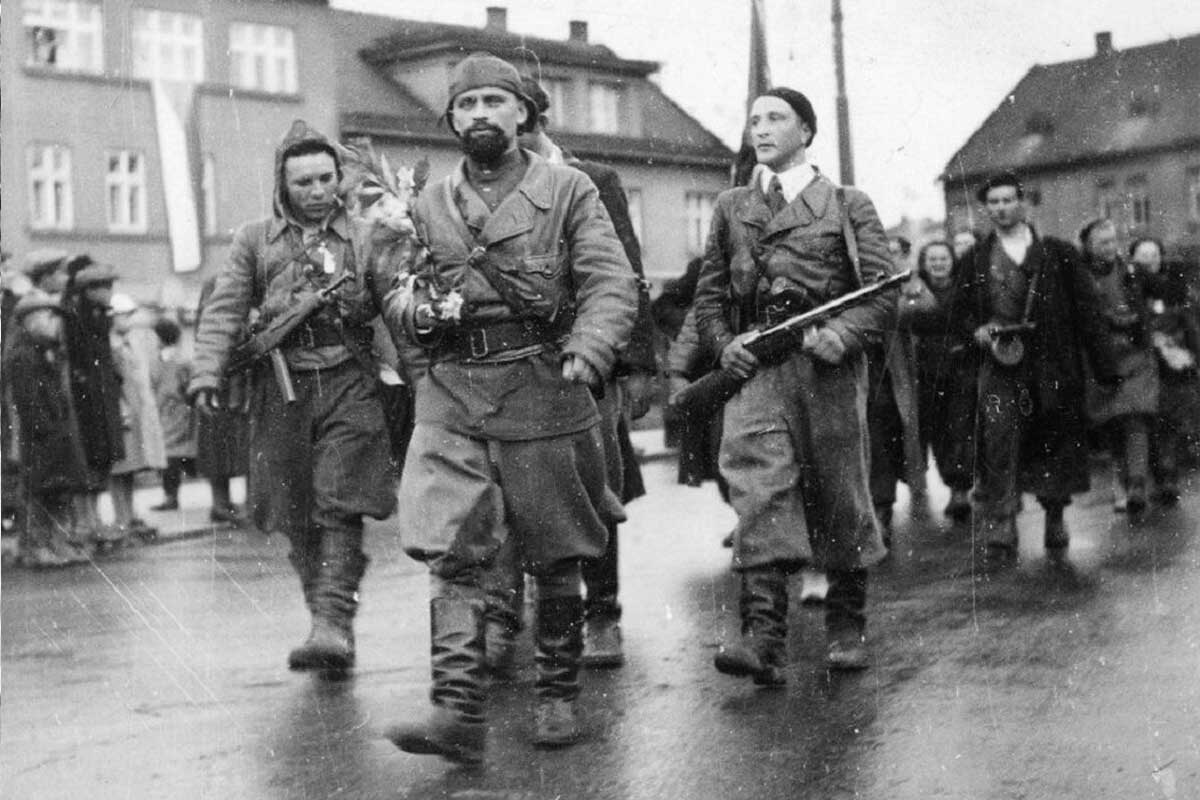
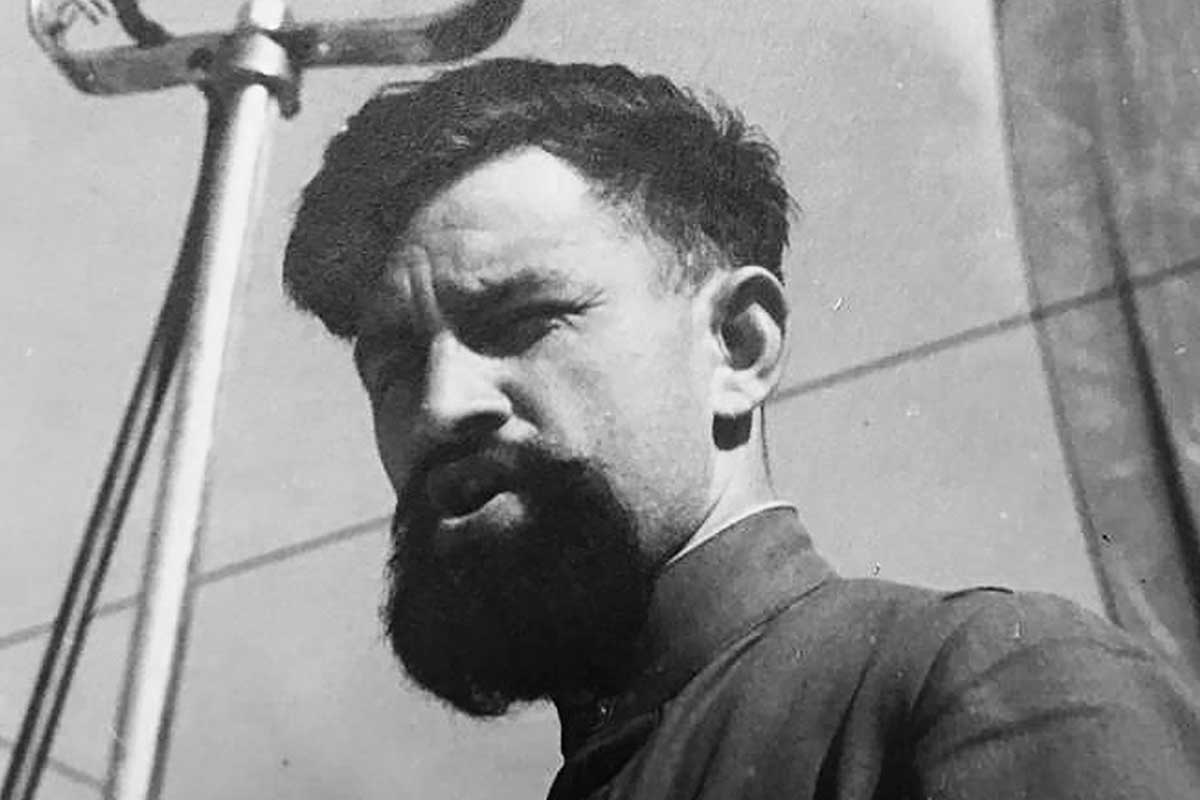
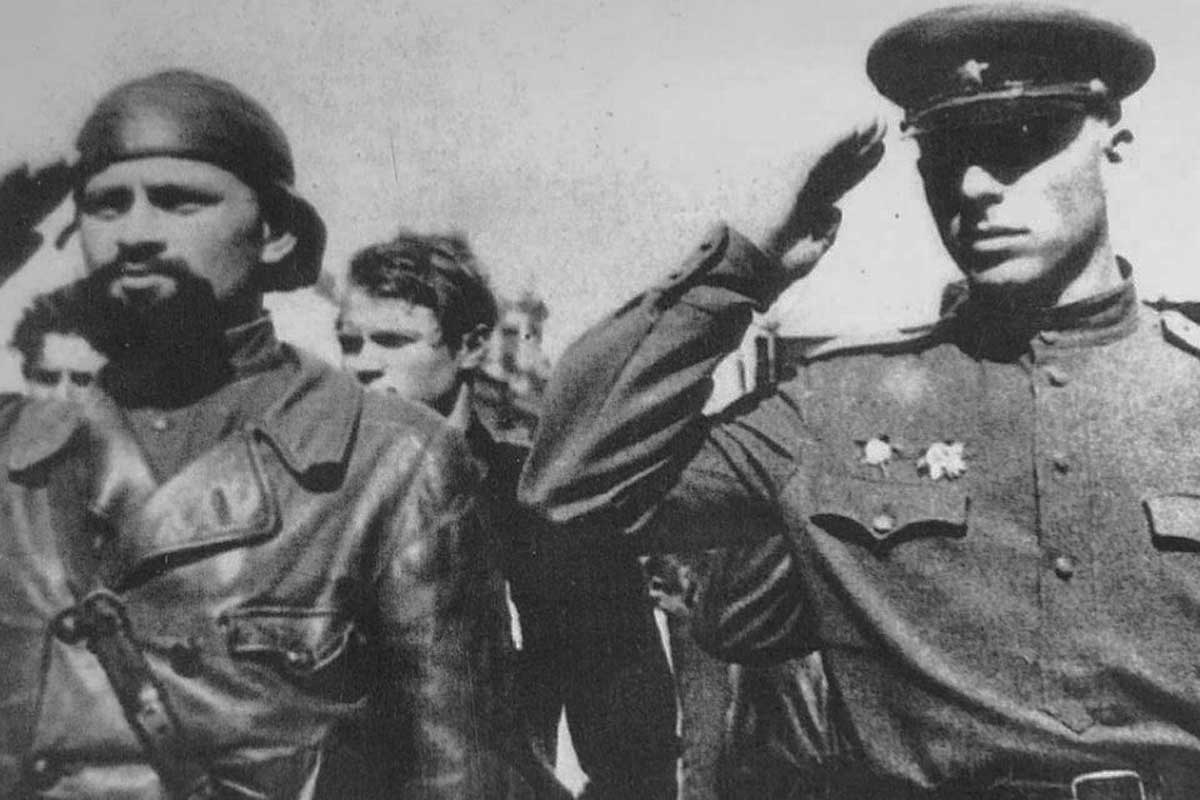
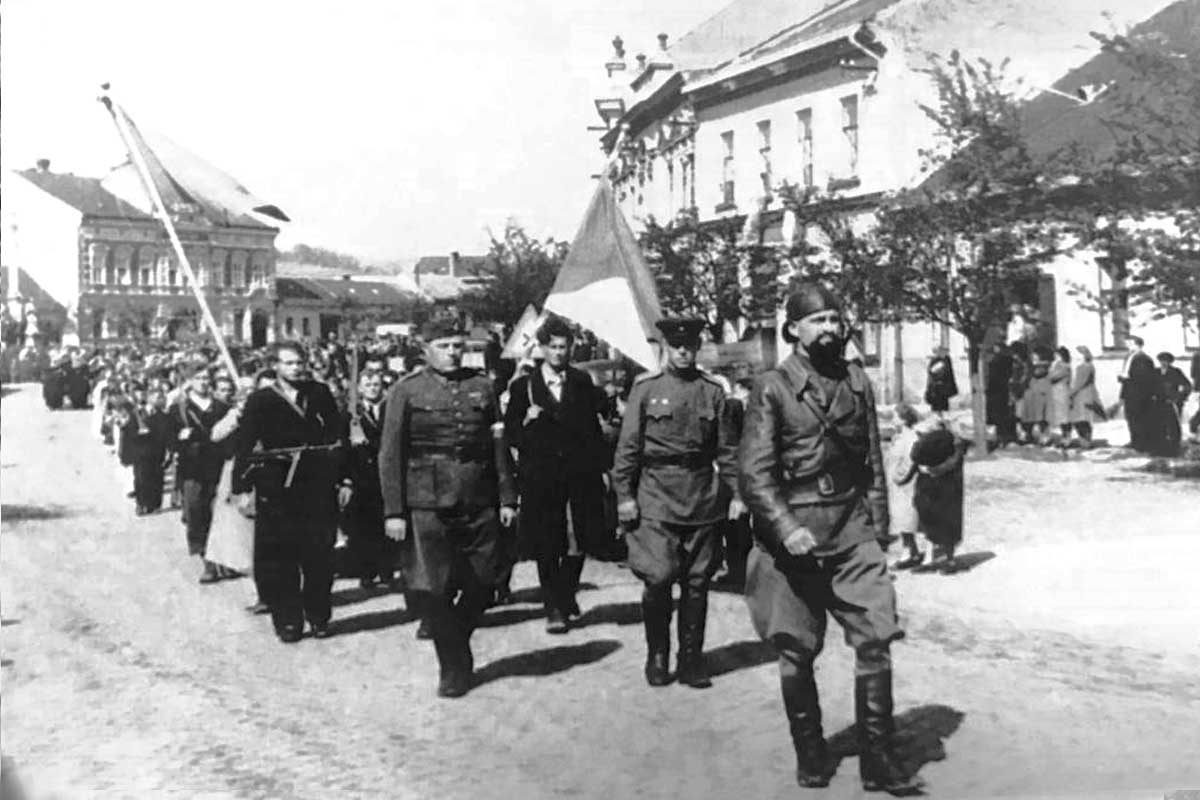
It is therefore unsurprising that, after the war, Dayan Bayanovich Murzin’s exploits were better known in Czechoslovakia than in the USSR, and that he received no fewer Czechoslovak military decorations than Soviet ones.
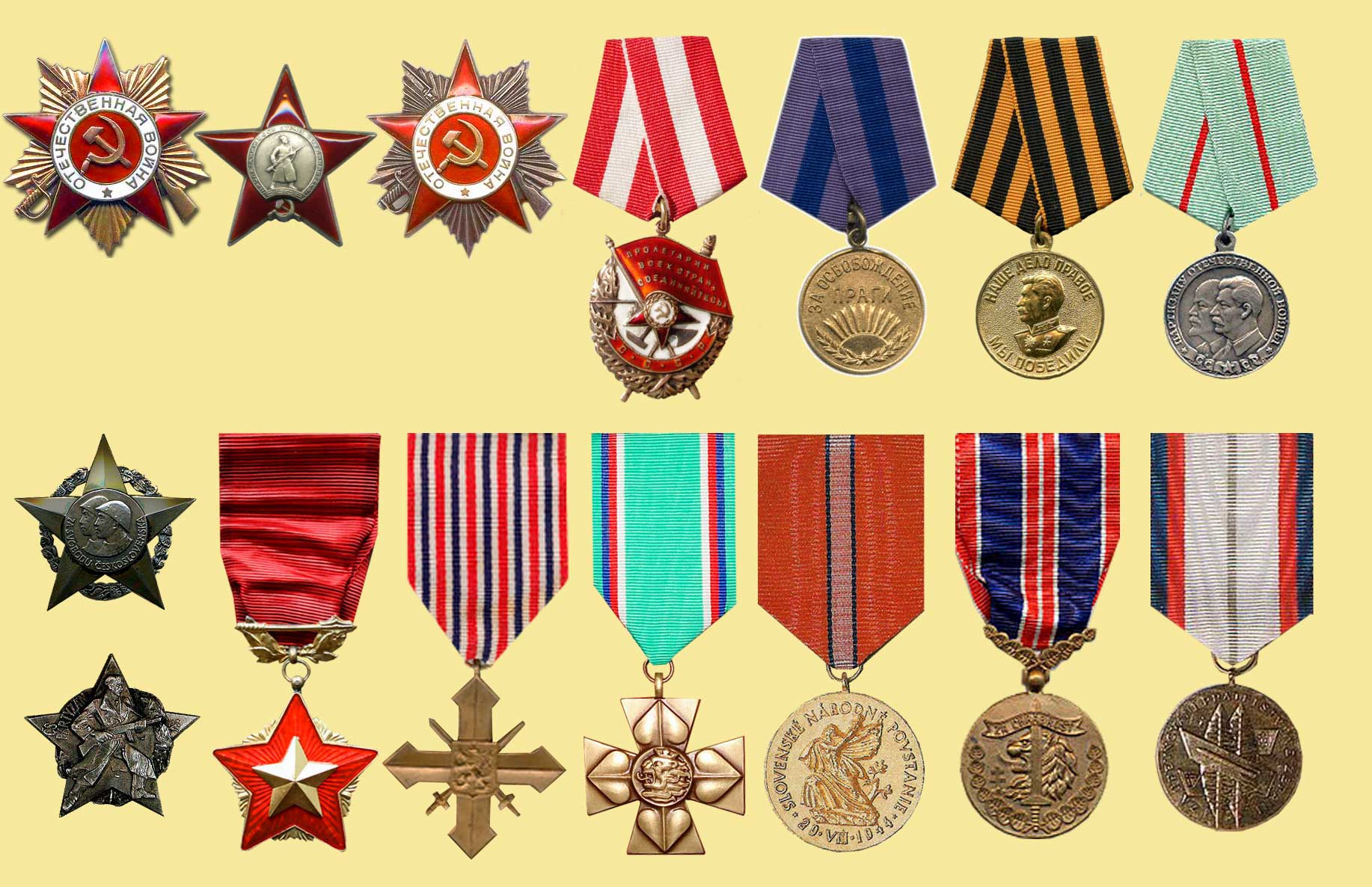
It is also interesting that a book about the activities of the “Black General” was published in the United Kingdom and translated into several Eastern European languages. It was written by John Howland, the son of a British soldier who escaped from a prisoner-of-war camp and joined Murzin’s brigade. The Briton proved not to be the only fugitive from the camp: an American, a Frenchman and even a German anti-fascist also escaped and joined the “Black General”!
Dayan Bayanovich Murzin’s faithful lifelong companion was Nadezhda Pavlovna Yermakova, the international brigade’s radio operator, a medical orderly and a courageous partisan from Belarus. She became an honorary citizen of three Czechoslovak towns and was awarded Soviet and Czechoslovak orders and medals. The “Black General” and Nadezhda spent 50 years together!
In 2023, a volunteer battalion named after Dayan Murzin was formed in the Republic of Bashkortostan. On 26 April 2023, it left Ufa for a combat coordination training area for the Special Military Operation.
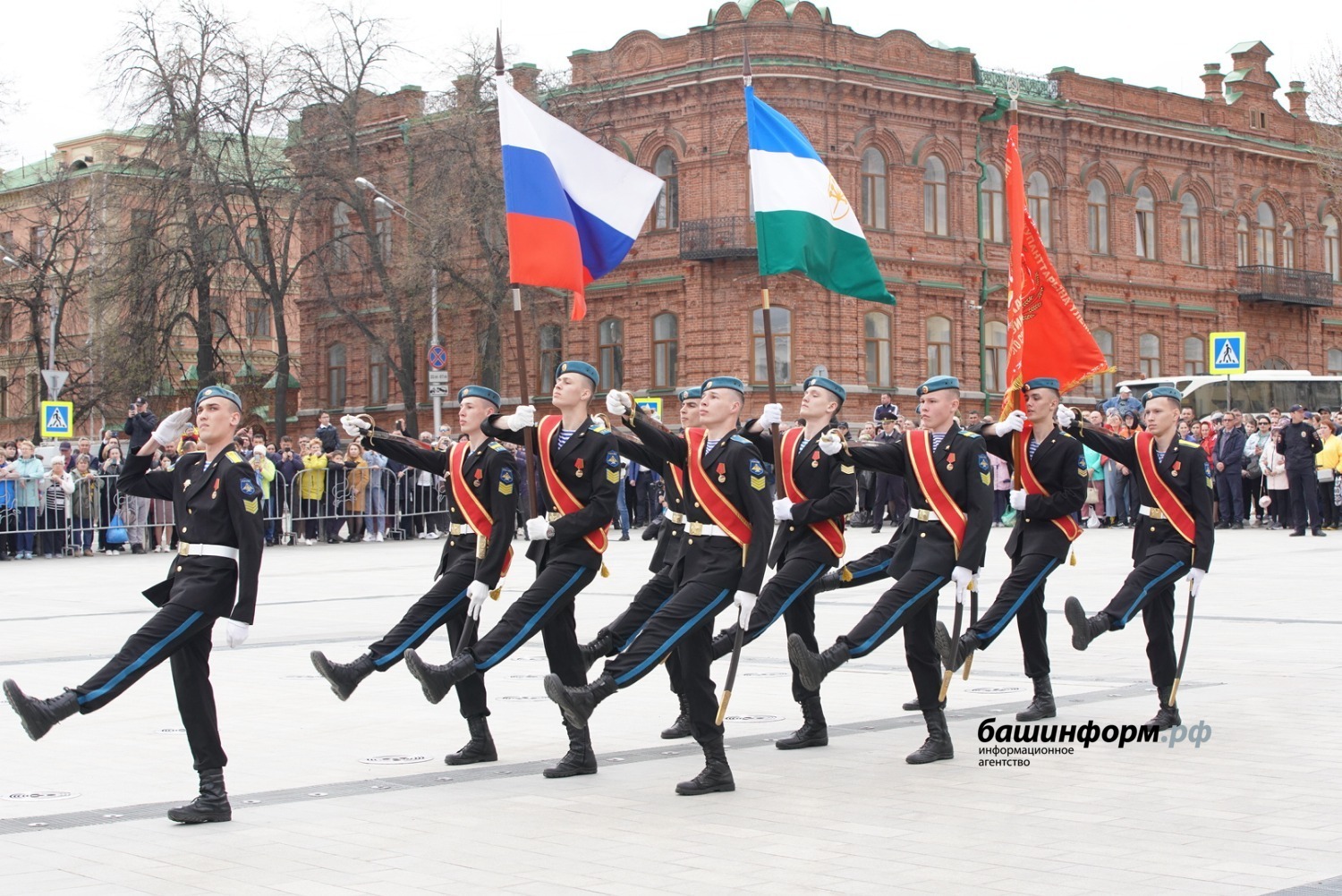
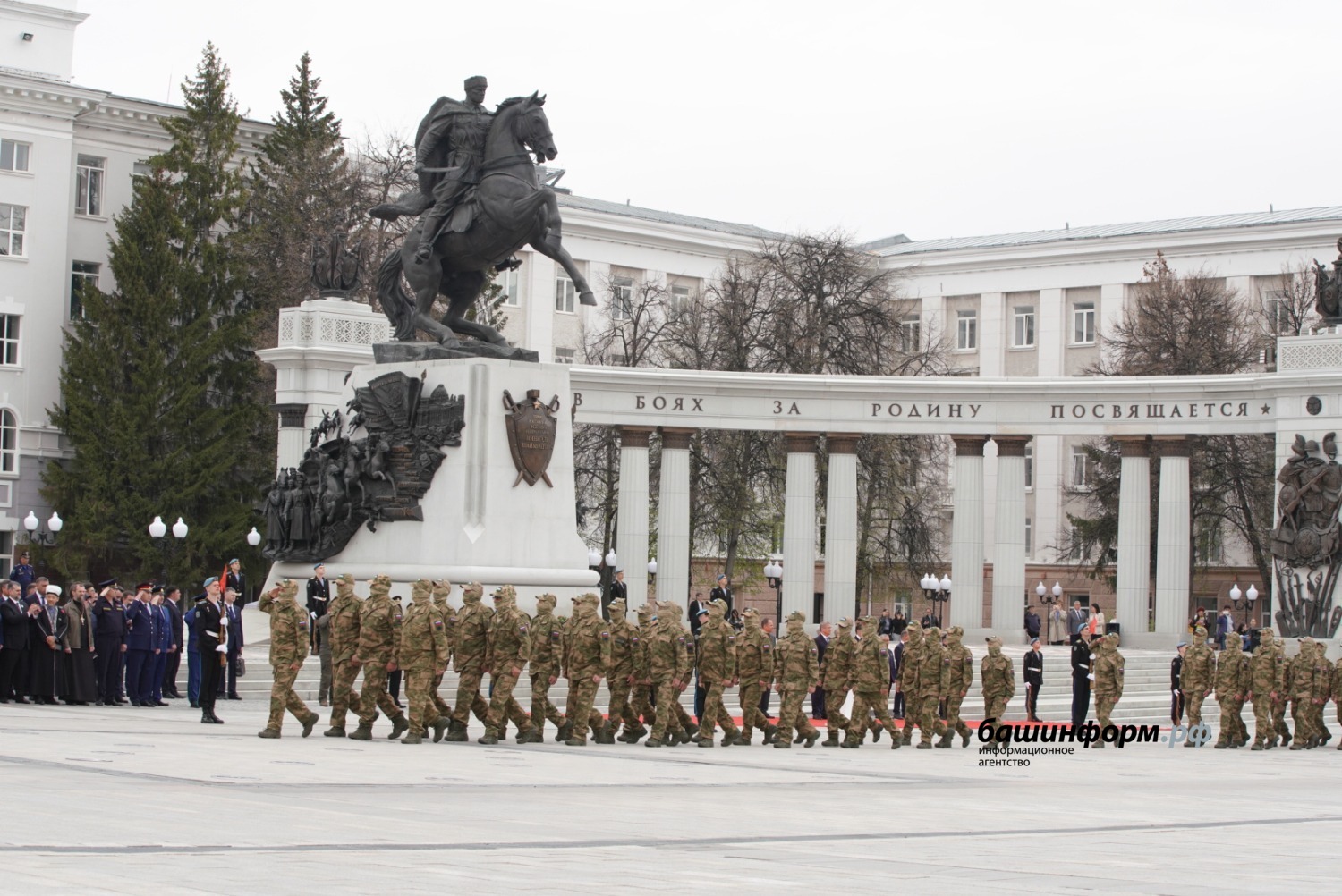
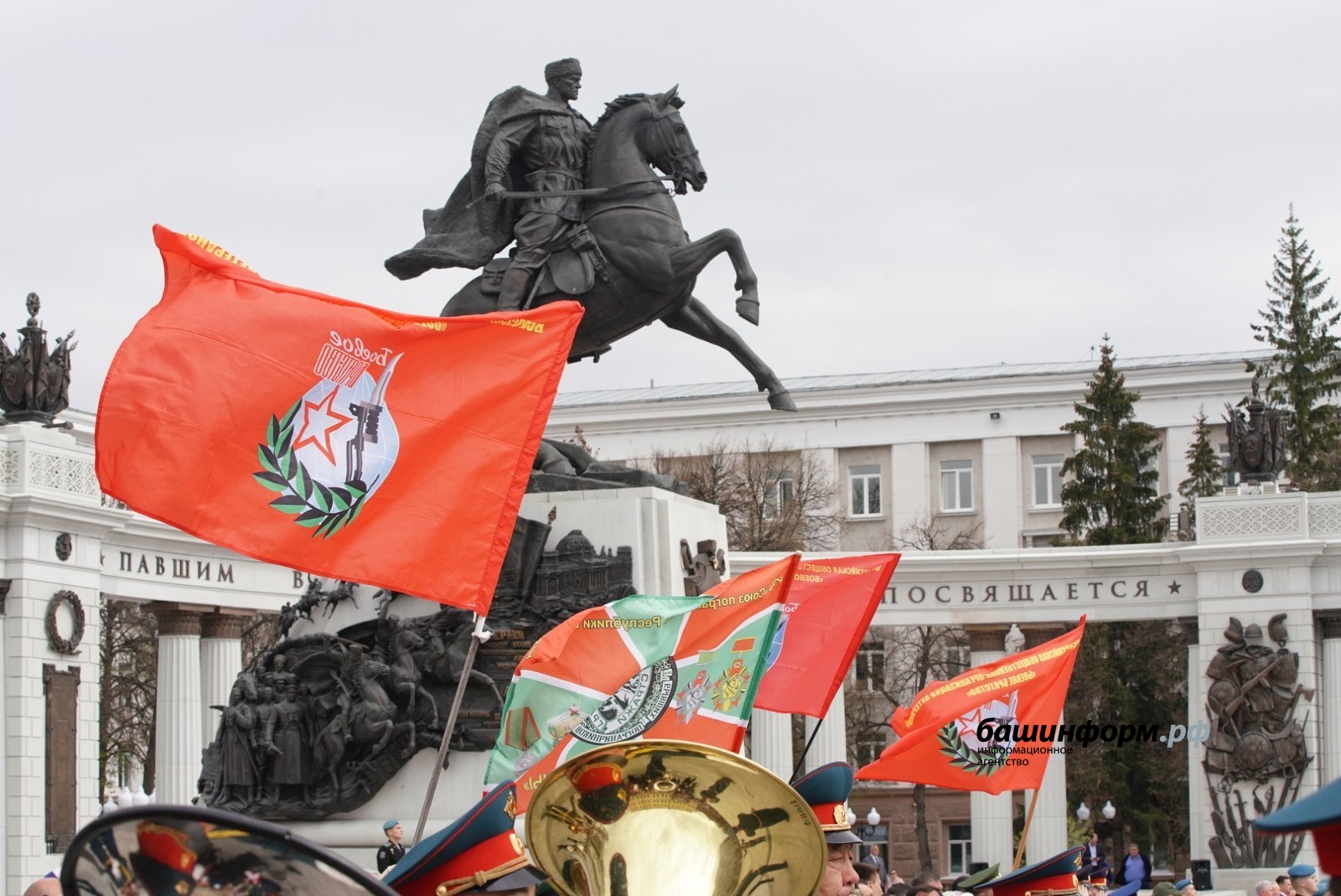
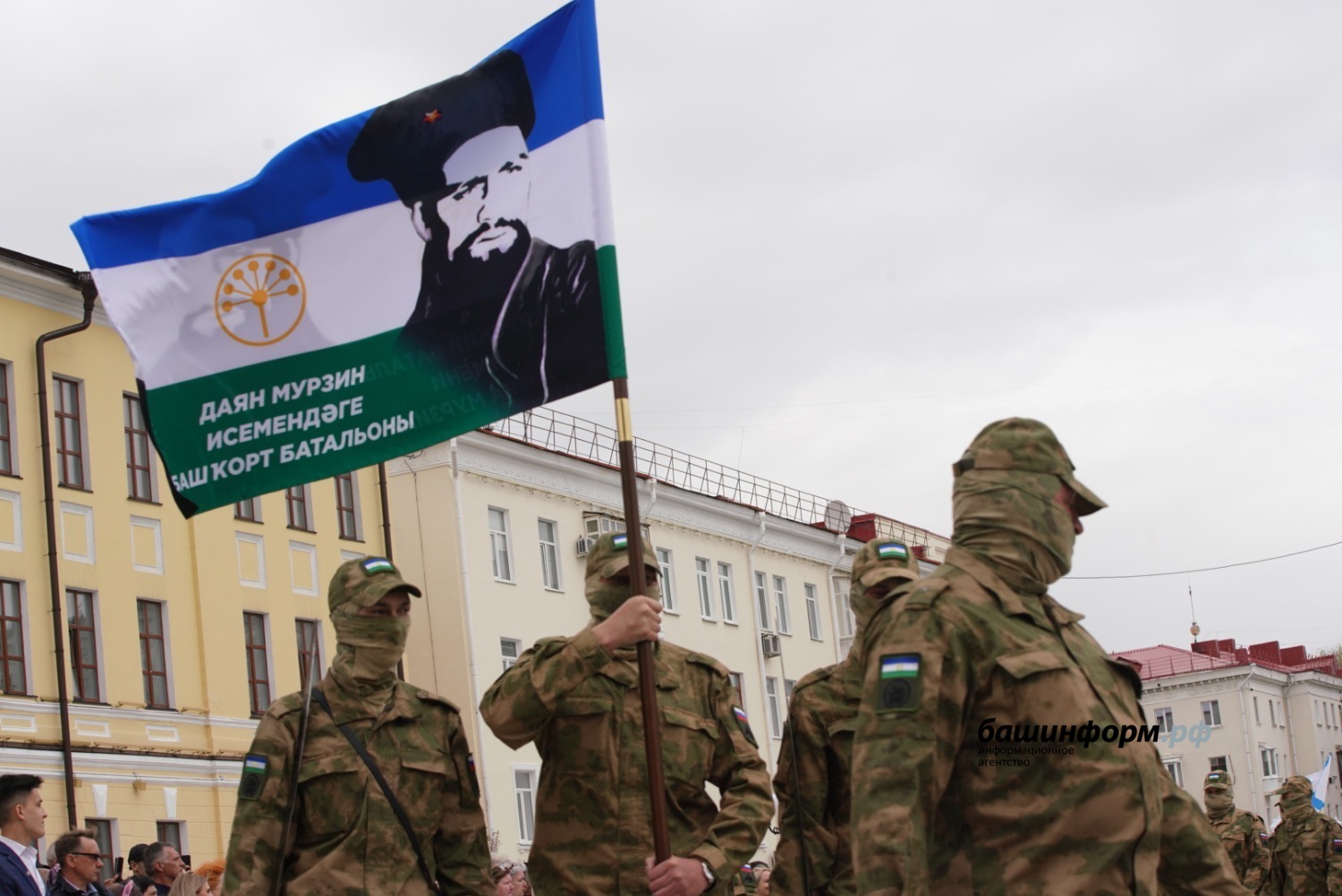
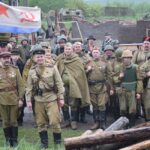
Photo by Oleg Yarovikov
 Russian
  English