
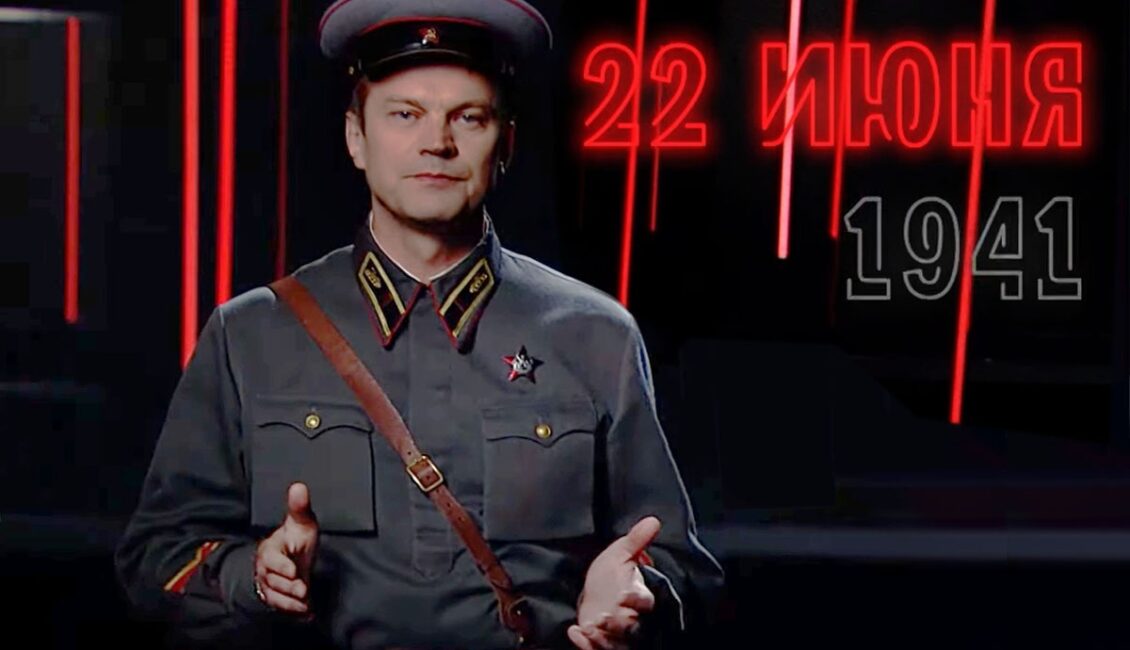
Александр Александрович Метла – исполнительный директор ИКК «Линия Сталина»
Почему мы сегодня возвращаемся к дате 22 июня 1941 года? Потому в этот день солдаты и командиры НАШЕЙ Красной Армии начали борьбу с гитлеровской Германией и её европейскими союзниками, целью которых было уничтожение НАС. Тогда мы победили.
22 июня 1941 года немецкие войска вторглись в пределы нашей Родины. С этого рокового момента для нацистской Германии начался обратный отсчёт. Несмотря на победы вермахта в начале войны, Третий рейх рухнет через неполные четыре года. Лёгкие победы в Европе настолько вскружили голову немецкой нации, что многим казалось, будто Германия в силах поработить и Советскую Россию!
Советская Россия…
Вопреки ожиданиям недругов, за четверть века коммунистического правления в СССР не извратились такие понятия, как Долг и Отечество. В исторической памяти нового, уже советского поколения не померкли образы русских вождей Александра Невского и Димитрия Донского. Оказалось, что в советской стране наряду с фильмами «Чапаев» и «Броненосец Потемкин» снимали кинокартины о Суворове, Минине и Пожарском, и даже о царе Петре Великом!
В преддверии войны с СССР в Германии были скуплены все книги о походе на Русь Наполеона. С неумолимой исторической правдой в них писалось, что взятие Наполеоном Москвы обернулось… приходом русских в Париж!
Но кто ж учится на чужих ошибках?
Напротив. Нацистская пропаганда в короткий срок выдавила из обычных солдат вермахта базовые понятия о морали настолько, что они искренне стали считать советских граждан недочеловеками, а их убийство – делом европейского прогресса. И если истребление населения СССР по плану «OST» собирались начать после разгрома Красной Армии и только силами специальных «зондер-команд», то убийства мирных граждан немецкие солдаты начали с первых дней войны.
Так 24 июня 1941 года близ Беловежской пущи немцы сожгли деревню Мурава и расстреляли 18 местных жителей. И сделали это не эсесовские головорезы, а обычные пехотинцы.
27 июня были расстреляны 28 жителей деревни Латышки на реке Ушачи, а дома сожжены. И так день за днём, по мере продвижения германских войск. Однако это продвижение на восток оказалось не таким стремительным, как планировали в Берлине. Более того, бойцы Красной Армии упорным сопротивлением сорвали «блицкриг».
Миф о сверх эффективности германской армии начал рушиться с первых часов войны. Лучше всего это видно на примере штурма Брестской крепости. По планам Германского командования на её взятие отводилось всего 8 часов.
Взяли за… 9 дней!
Позор? Ещё какой! Ведь немцы рассчитывали брать штурмом именно крепость – как систему оборонительных сооружений. А в реальности это была лишь большая по территории и очень вместительная казарма с толстыми кирпичными стенами постройки времён… ПРАдеда последнего русского императора! Столь архаичное сооружение (1842 года!), где не было ни одного кубометра современной железобетонной конструкции, в СССР крепостью НЕ считали. Поэтому, когда началась война, эту огромную казарму, как и положено, стали покидать наши войска. На своё несчастье немцы заблокировали в ней около 4 000 советских бойцов. Бельгийские защитники супер-мега-крепости форта Эбен-Эмаль в подобной ситуации просто сложили оружие. Но советские бойцы – не бельгийцы. Наши герои своим беспримерным подвигом смогли превратить казарму в крепость, задержав целую пехотную дивизию в 17 000 человек на 9 дней. И это при том, что немцы при штурме били из всех орудий, включая 600-мм монстров, использовали самоходки, трофейные французские танки и нещадно бомбили с воздуха.
Не менее позорной для немцев стал и штурм всего лишь подвальных помещений Брестского вокзала, где засели около 40 наших бойцов, мешавших работе железной дороги… 10 дней!
Ещё одной провальной страницей вермахта стали бои на «Линии Сталина». Она же была построена для защиты страны от польской пехоты и конницы, поэтому 90% её дотов были пулемётными. А немцы штурмовали её танками, в борьбе с которыми пулемётный дот бессилен. Позиции в Минском укрепрайоне занимали наши дивизии половинного состава и без снарядов. Несмотря на это, советские бойцы смогли связать врага боями аж на три дня! За эти три дня немцы умудрились потерять подбитыми 210 танков (притом, что за 40 дней ВСЕЙ войны во Франции потери вермахта составили всего 640 танков).
В Полоцком укрепрайоне «Линии Сталина» немцы застряли на 20 дней, в Новоград-Волынском на 6, в Коростеньском на 14 дней, в Киевском на 60 дней! А Карельский УР так и не был прорван за всю войну. В итоге на «блицкриге» можно было ставить крест, а Гитлеру – травиться уже осенью 1941-го!
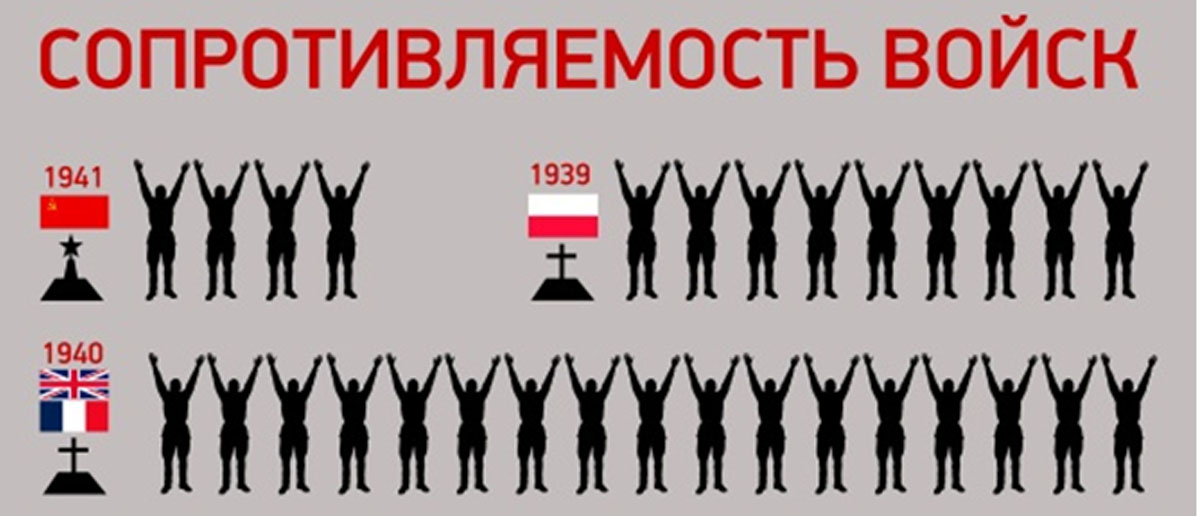
Сравнение статистики сопротивляемости войск показало, что в начале войны в Красной Армии на одного погибшего бойца было всего 4 сдавшихся в плен, у поляков – 9 сдавшихся, а у англичан и французов – 17!
На девятый день войны с Советским Союзом Гитлер заявил о сплочении Европейского Союза в результате совместной войны против России, как никогда ранее. И он не оговорился. Чем не Евросоюз, если помимо войск самой Германии в нападении на СССР участвовали армии Финляндии, Италии, Венгрии, Румынии, Испании, Словакии и Хорватии. А в рядах войск SS были ещё и европейцы из Бельгии, Дании, Люксембурга, Нидерландов, Норвегии, Франции, Швеции, Швейцарии и даже Польши! Все они стали под знамёна нацистской Германии, чтобы «принять участие в битве между прогрессивными силами Европы и коммунистическим Востоком».
И чем же не угодила им наша страна? Тем, что в отличие от «прогрессивной» Европы добросовестно исполняла свои договОры, исправно поставляя в Европу зерно, нефть и лес?
И это в то время, когда Великобритания и Франция, вопреки своим военным обязательствам, отказались защищать от Гитлера Австрию, Чехословакию, а затем и Польшу, развязав тем самым бойню Второй мировой войны.
Или Европу раздражало, что за наше зерно, нефть и лес ВСЁ-ТАКИ надо было платить? То есть – «мы, ВСЁ-ТАКИ, должны были умереть, чтобы жили они – европейцы»?
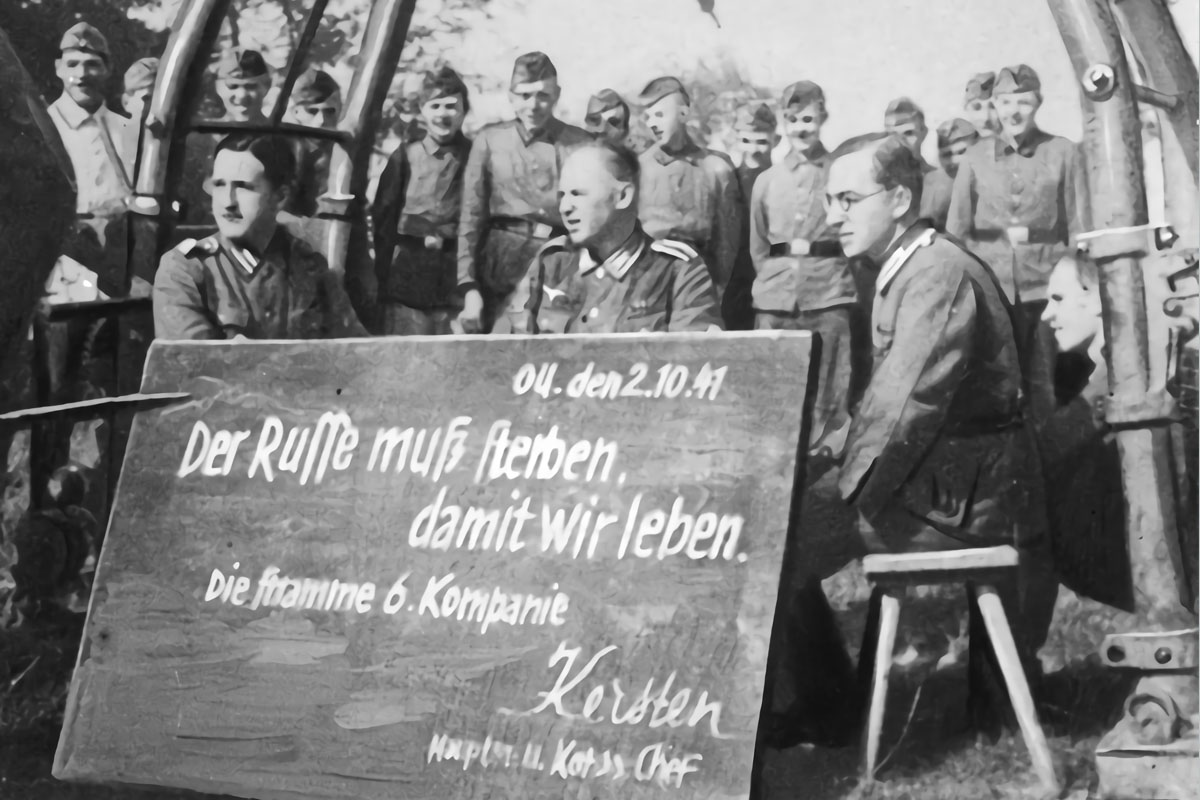
Der Russe muss sterben, damit wir leben – Русские должны умереть, чтобы жили мы – написали немцы на советской школьной доске. Украина 1941 год.
А что? Это так по-европейски: убей индейца, африканца, индуса. Убей, наконец, и советского человека – и его земля, недра, имущество будут твоими!
Мой отец в конце 80-х годов служил в Германии, и как-то на одной из дружеских посиделок он решил озвучить своему другу-немцу тезис, который так усиленно раскручивался в то время. Что, мол, «зря мы русские в войну сопротивлялись. Сдались бы, глядишь – сегодня пили бы баварское пиво у себя дома». На что пожилой немец строго сказал отцу: «Вы, не пили бы. Вас ВСЕХ попросту не было б!»
Да. У гитлеровского Евросоюза не получилось нас убить и завладеть нашим богатством.
Но суть европейской политики осталась прежней. Изменились лишь методы – арестуй 300 миллиардов России, и делай с ними что, хочешь! Так «цивилизованно» и в духе нового времени.
Если во Вторую мировую за интересы Евросоюза Гитлера воевали сами европейцы, то теперь для Европы нашёлся новый солдат – украинец.
По инерции общей истории мы продолжаем считать украинцев братским народом. Когда в 2014 году в Украине случилась беда, наш Президент принял беженцев. Сделал это и мой отец, поселив на «Линии Сталина» несколько семей. После февраля 2022-го сделал это и я.
Да, мы до сих пор дорожим братским родством с украинцами и стараемся его сохранить. Поэтому и не трубим на весь мир о том, КТО на самом деле спалил Хатынь и ЧТО, уже сегодня, вытворяют солдаты ВСУ над пленными.
А американцы Такер Карлсон, Скотт Риттер или француз Адриан Боке открыто рассказывают мировому сообществу, как «воины света и добра» давят танком головы живых пленных солдат со связанными за спиной руками…
Почему бьём тревогу не мы, а Карлсон, Риттер и Боке? Потому что они иностранцы и прекрасно знают, насколько чудовищно расчеловечивает людей западная пропаганда.
А мы – дети советской пропаганды, которая сделала из нас братьев. Этот же курс продолжил и наш Президент, и другой политики мы не знали. Поэтому сегодня мы ТАК ошеломлены и не можем принять страшную реальность, что благодаря западной пропаганде, украинцы открыто называют нас (это нас-то?!) – оккупантами. Мы же до сих пор зовём украинский народ – братским. При этом даже умудряемся оправдать его, стыдливо сваливая недостатки на украинскую элиту, которая, дескать, лишь по названию украинская.
Мы закрываем глаза и на то, что простой солдат ВСУ сам, без всякой указки из Киева, рисует на своих танках фашистские кресты, а мы даже боимся спросить СЕБЯ – зачем он это делает?
Между тем, ответ на поверхности – чтобы европейцем зваться, а НЕ братом белоруса или русского.
И это, к сожалению, выбор самого украинца. Поэтому и бьётся он насмерть за эту европейскость, не щадя ни себя, ни своей «ридной нэньки». И степень его обесчеловечивания такова, что если ему прикажут, поверьте, он ещё не одну Хатынь сожжёт.
Чтобы этого не случилось нужно чудо. В Великую Отечественную войну этим чудом стал героизм бойцов Красной Армии, разгромившей полчища фашистского Евросоюза.
Насчёт Евросоюза и фашистского я не оговорился. Всмотритесь в эти цифры.
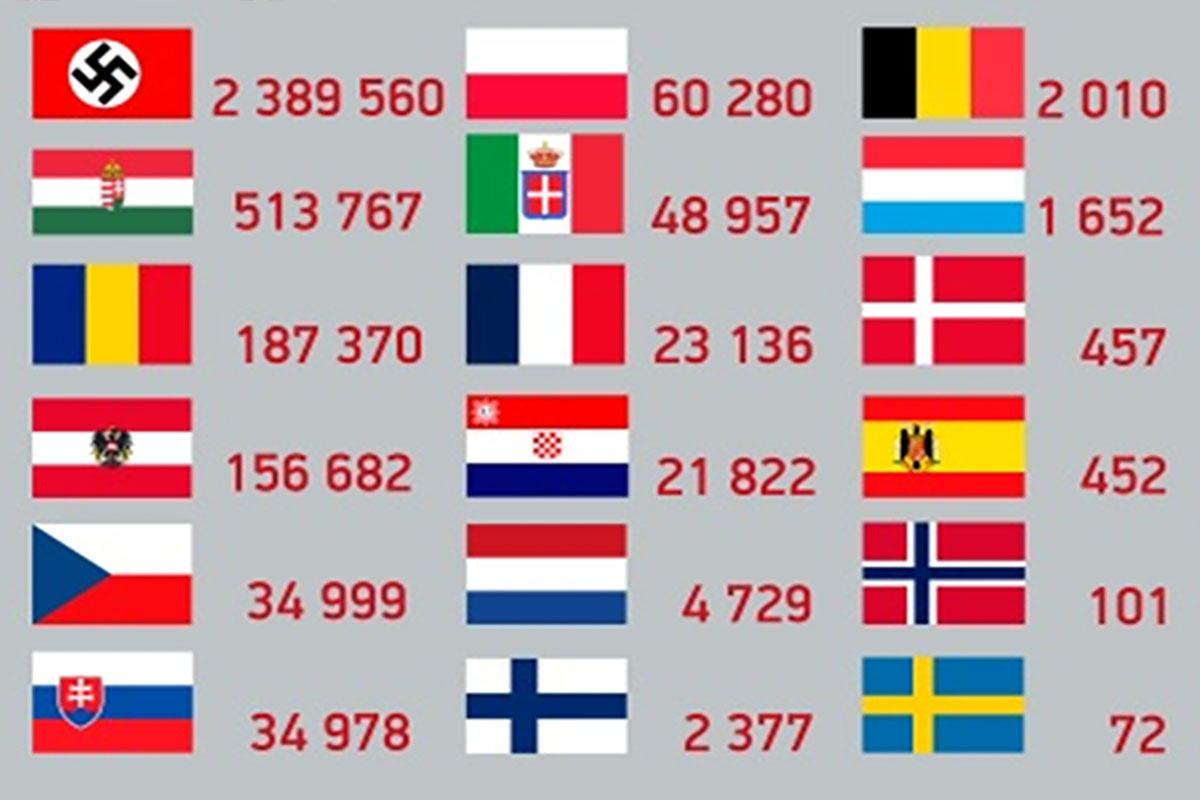
Это количество пленных, взятых Красной Армией в ту войну. Как видите – почти вся Европа там. Почему фашистская? Потому что 22 июня 1941 года она пришла к нам, не для того, чтобы мы теперь пиво пили, а, чтобы нас сейчас не было!
Забывать такие уроки истории смерти подобно.
 Russian
  English