
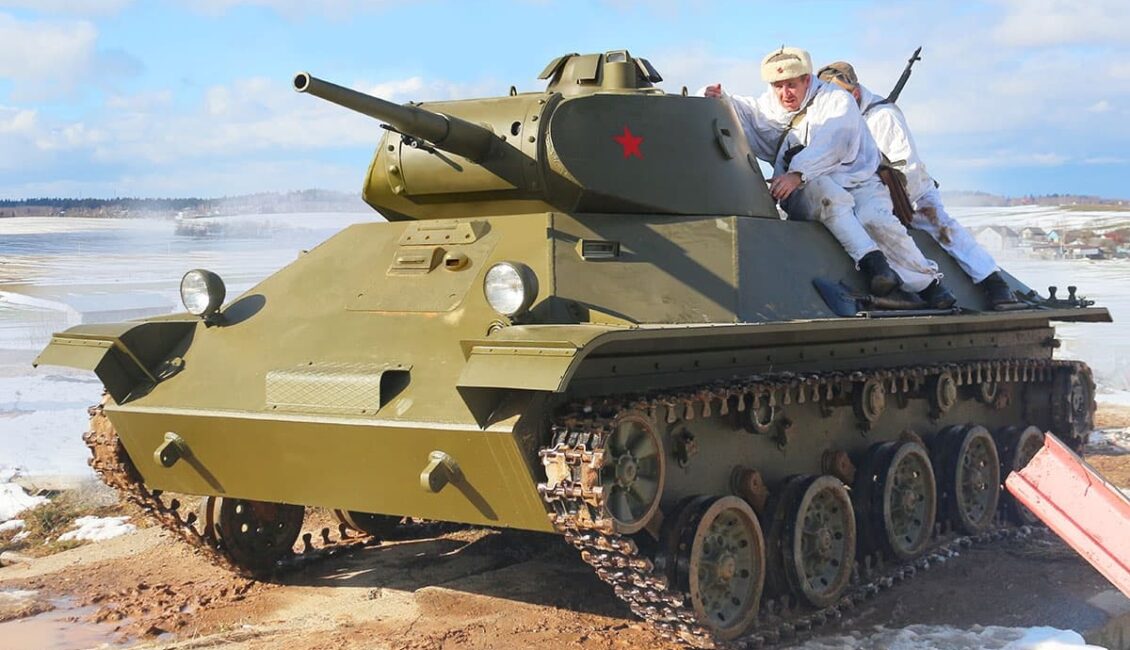
In January 2022, Stalin Line completed the construction of a fully operational replica of the extremely rare Soviet T-50 light tank.
The tank was developed in 1940 to replace the T-26 and BT light tanks. The T-50 was created under the influence of the German Panzer III tank captured by the Red Army in Western Belarus during the Liberation Campaign of September 1939.
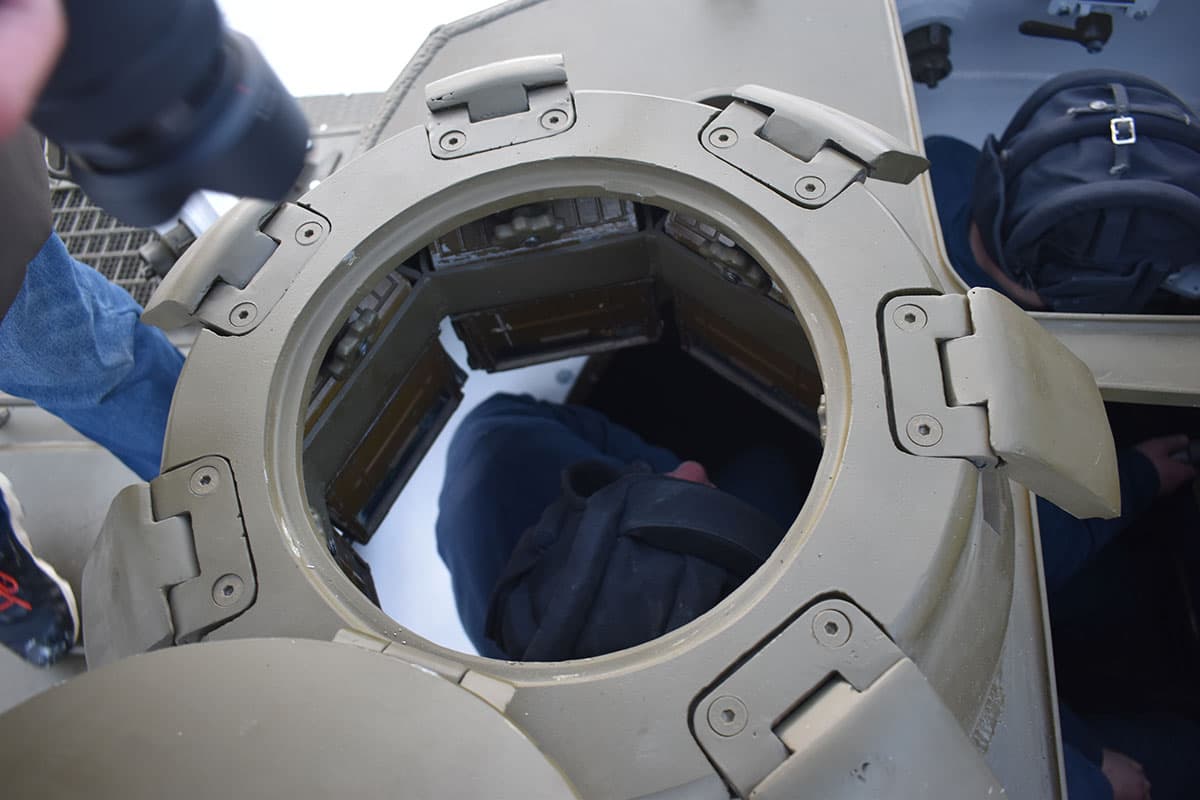
While the T-26 and BT light tanks had 10–20 mm of bullet-resistant armour, the T-50 was protected by 37 mm armour. Set at effective angles, this presented enemy shells with the equivalent of a 45 mm barrier. The cramped turrets of the T-26, BT and T-34 accommodated only two crew members, forcing the commander to double as the gunner and greatly reducing his effectiveness in command. The T-50 therefore received a three-man turret, allowing the tank commander to concentrate entirely on his primary duties: observing the battlefield, identifying targets and issuing orders. The T-50 was the first Soviet tank to feature a commander's cupola with seven triplex vision devices, providing all-round visibility. The tank had modern torsion-bar suspension and a powerful diesel engine. The T-50 proved to be the best tank in the light category. However, when war broke out in 1941, it became clear that only a medium tank armed with a 76 mm gun could serve as the main fighting vehicle. The T-50, by contrast, was armed with only a 45 mm gun, which by then lacked the power to engage German tanks effectively.
Of the 75 T-50 tanks built in 1941–1942, only two survive, neither of which is operational.
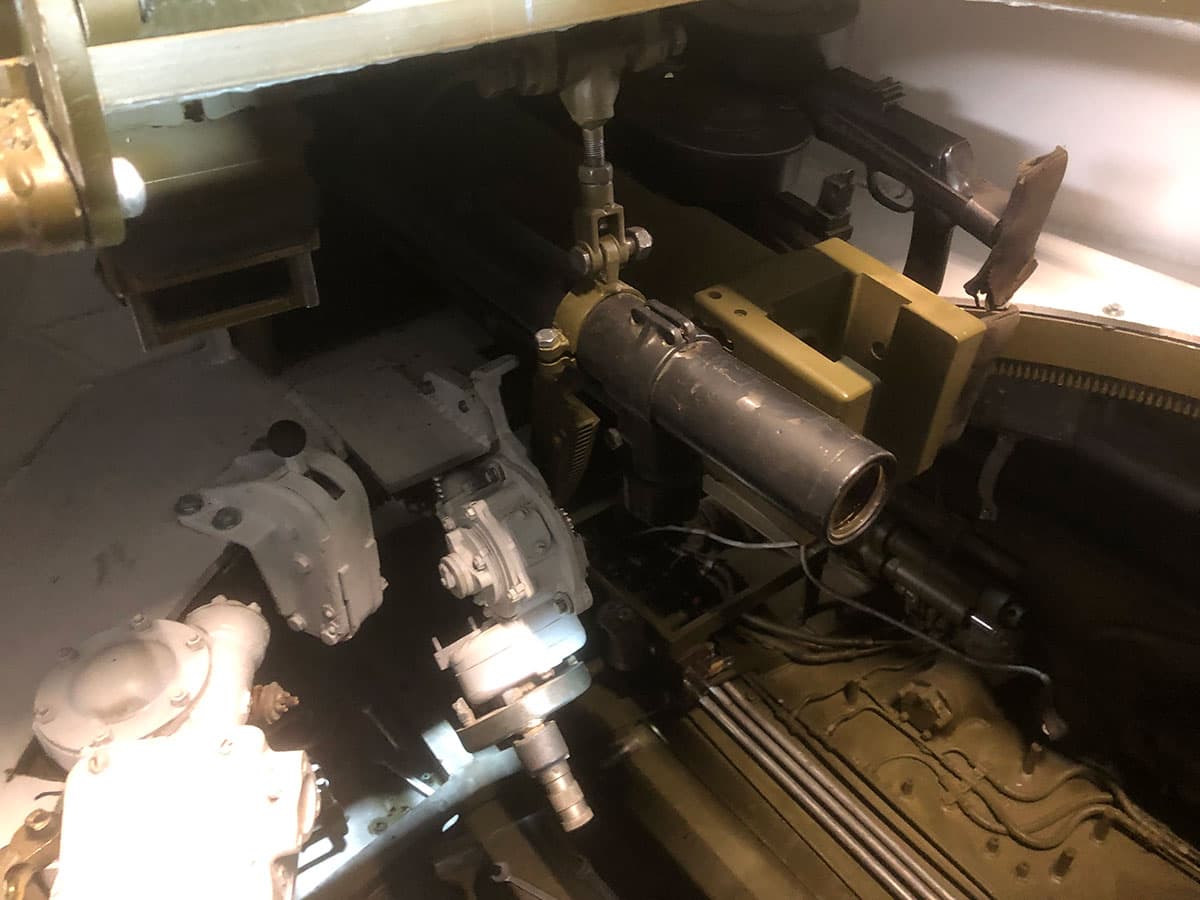
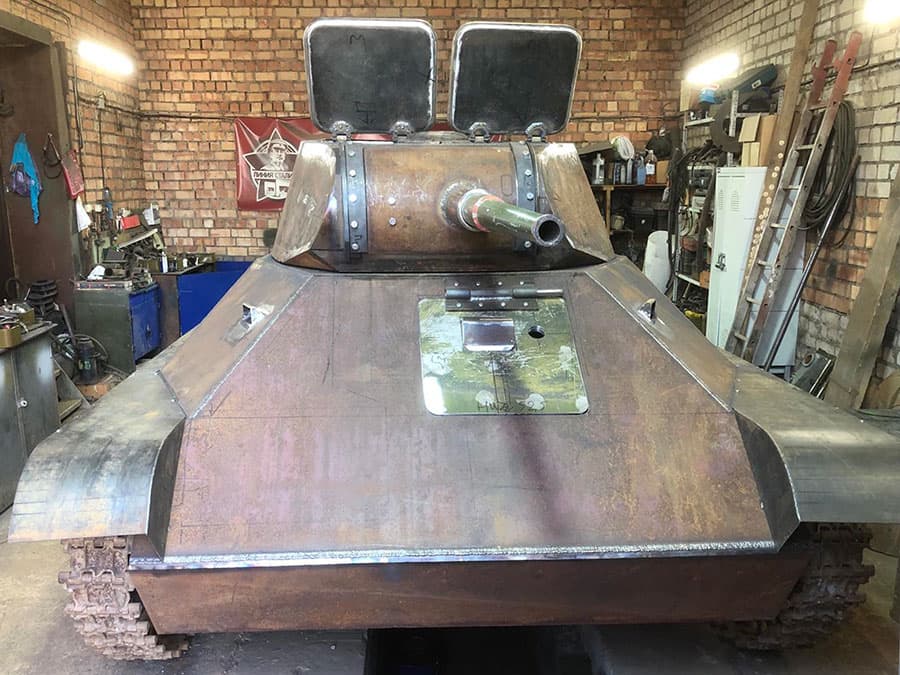
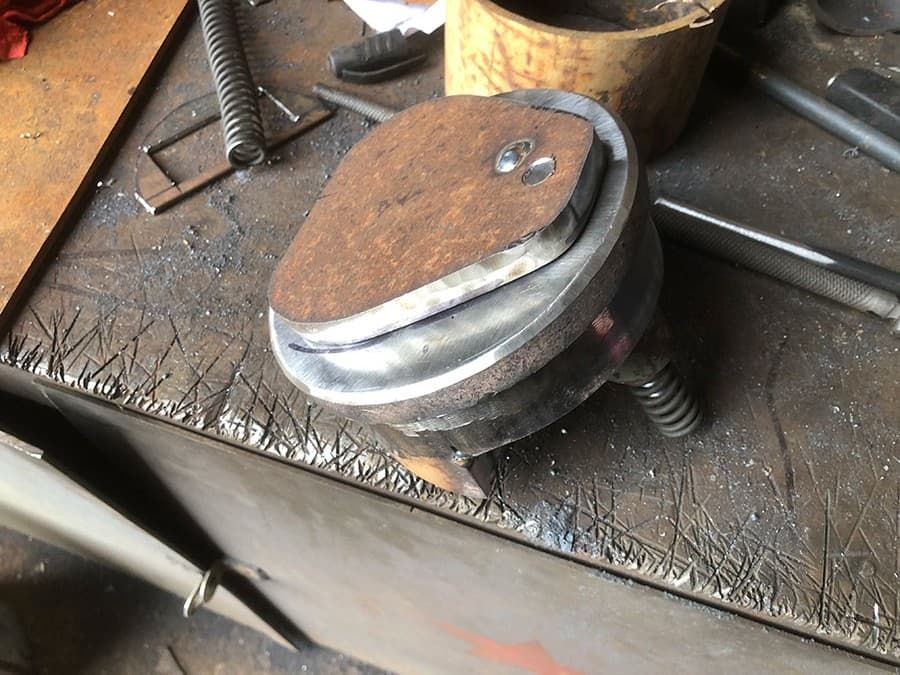
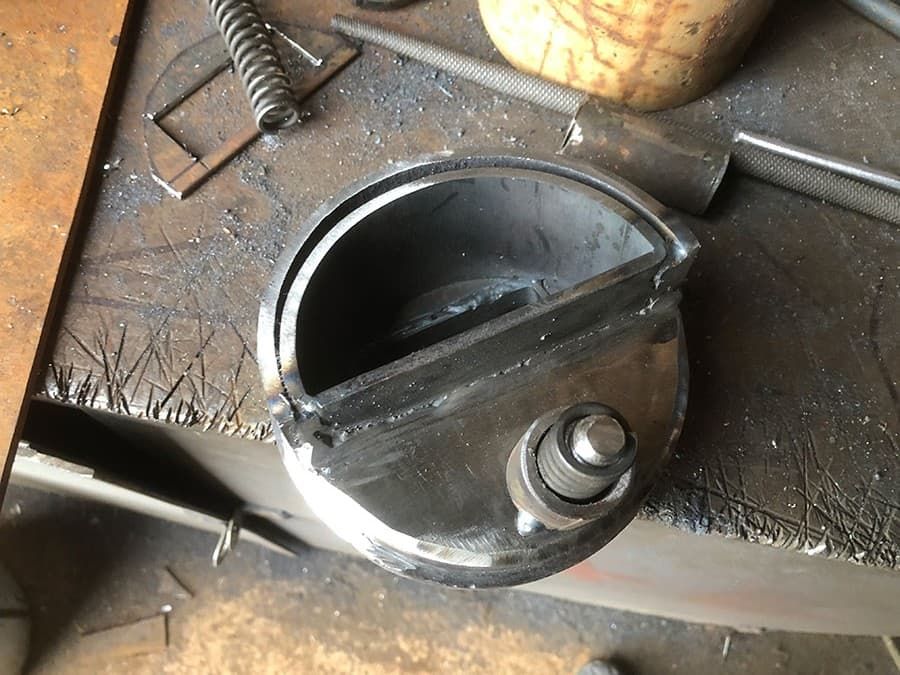
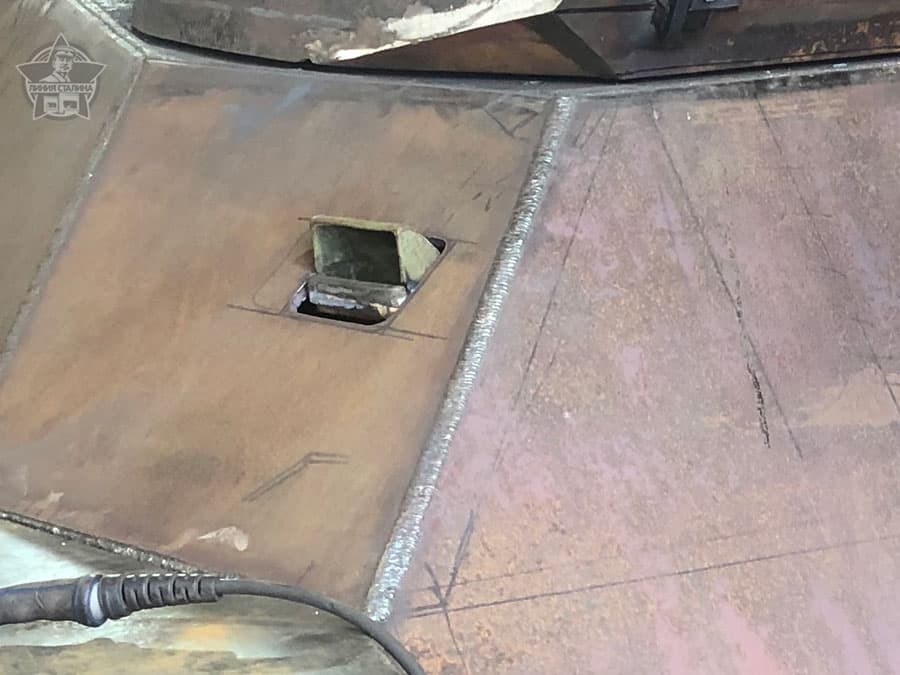
To take part in historical reenactments at Stalin Line, it was decided to build a fully operational T-50 replica with a firing gun and machine gun. The replica was built on a BMD chassis.
Work on the operational replica of the T-50 light tank was completed on 29 January 2022. Running trials were held that day, together with firing tests of its two machine guns and 45 mm gun.
















 Russian
  English