
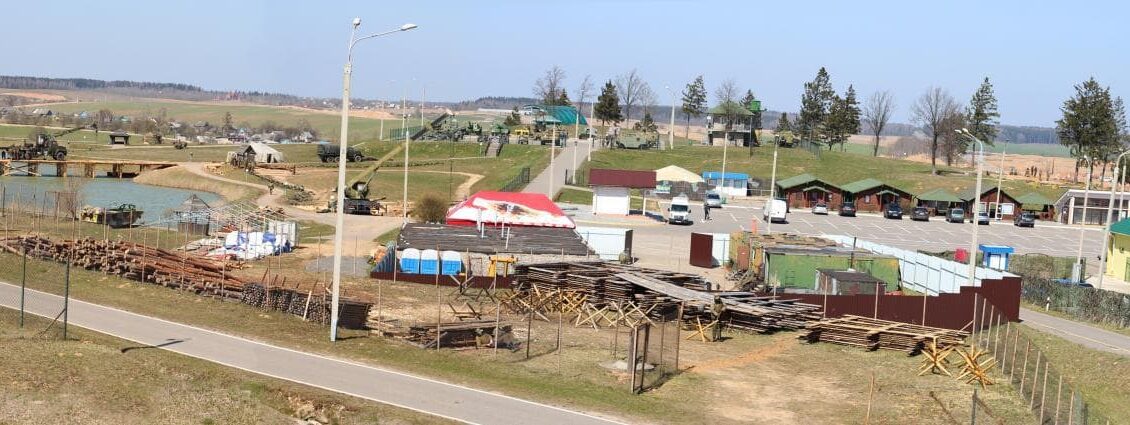
За десять лет существования комплекса техника и полевые сооружения, стоящие под открытым небом, потеряли свой первоначальный вид. Поэтому в преддверии празднования 70-летия Победы на «Линии Сталина» был проведён ряд восстановительных работ.
Чтобы привести экспонаты в надлежащий вид, наряду с военнослужащими инженерных войск, были привлечены и частные компании. Работа над самыми сложными объектами боевой площадки досталась индивидуальному предпринимателю Викентию Юркевичу. Чтобы качественно очистить поверхность военной техники от старой краски, им была применена струйно-абразивная установка. В этом аппарате генератор создаёт мощную струю воздуха, которая с помощью абразива (песка) удаляет с поверхности объекта любую краску, включая грунтовку. За полдня работы до серебряного блеска очищается целая самоходная артиллерийская установка! В облаке абразивной пыли оператор установки работает в ярком герметичном костюме. Воздух для дыхания поступает к нему через специальную систему очистки воздуха BAF. Абразивный песок закупается у белорусских изготовителей смесей, где он является отходом производства. Зато качество удаления краски с помощью абразивной струи потрясает – касаясь очищенной поверхности САУ «Акация», кажется, будто она только что создана на заводе и вот-вот отправится в покрасочный цех! Кстати, красит технику Викентий Юркевич безвоздушным окрасочным аппаратом, расходующим на 30% меньше краски, чем обычный краскопульт воздушного распыления. Благодаря струйно-абразивной очистке и дальнейшей покраске на технике сохраняются мельчайшие особенности фактуры поверхности машины. Это особенно ценно при реставрации техники времён Великой Отечественной войны. В нашем случае – это тяжёлая самоходка ИСУ-152. При любом другом способе очистки её поверхности от старой краски и нанесения новых слоёв неизбежно были бы стёрты или закрашены боевые следы от осколков и пуль. А так на ИСУ-152 в целостности сохранилась даже заводская «линейка» – своего рода паспорт боевой машины.
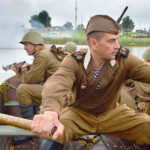
За десять лет сильно обветшали, а местами даже пришли в полную непригодность окопы, пристань и низководный мост. Их восстановлением занялись военнослужащие инженерных войск. Пройдёт срок службы в армии, солдаты вернутся домой, а возведённые их руками объекты будут и дальше служить людям. Возможно со временем бывшим военным строителям будет приятно вернуться на «Линию Сталина» уже в качестве мужа или отца и с гордостью показать родным дело своих рук. Ведь благодаря построенному воинами мосту путь к площадкам авиации, ПВО и инженерных машин становится короче и интереснее. На пристани можно взять напрокат лодку или катамаран, а окопы, блиндажи и артиллерийские позиции – излюбленное место для детворы.
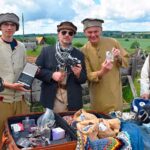
Также на «Линии Сталина» появился просторный магазин, зайдя в который можно приобрести на память магниты, сувениры, буклеты, а также книги, посвящённые Великой Отечественной и Афганской войнам.


 Russian
  English