Afghan War Reenactment and T-72B and BMP Crew Demonstration Run

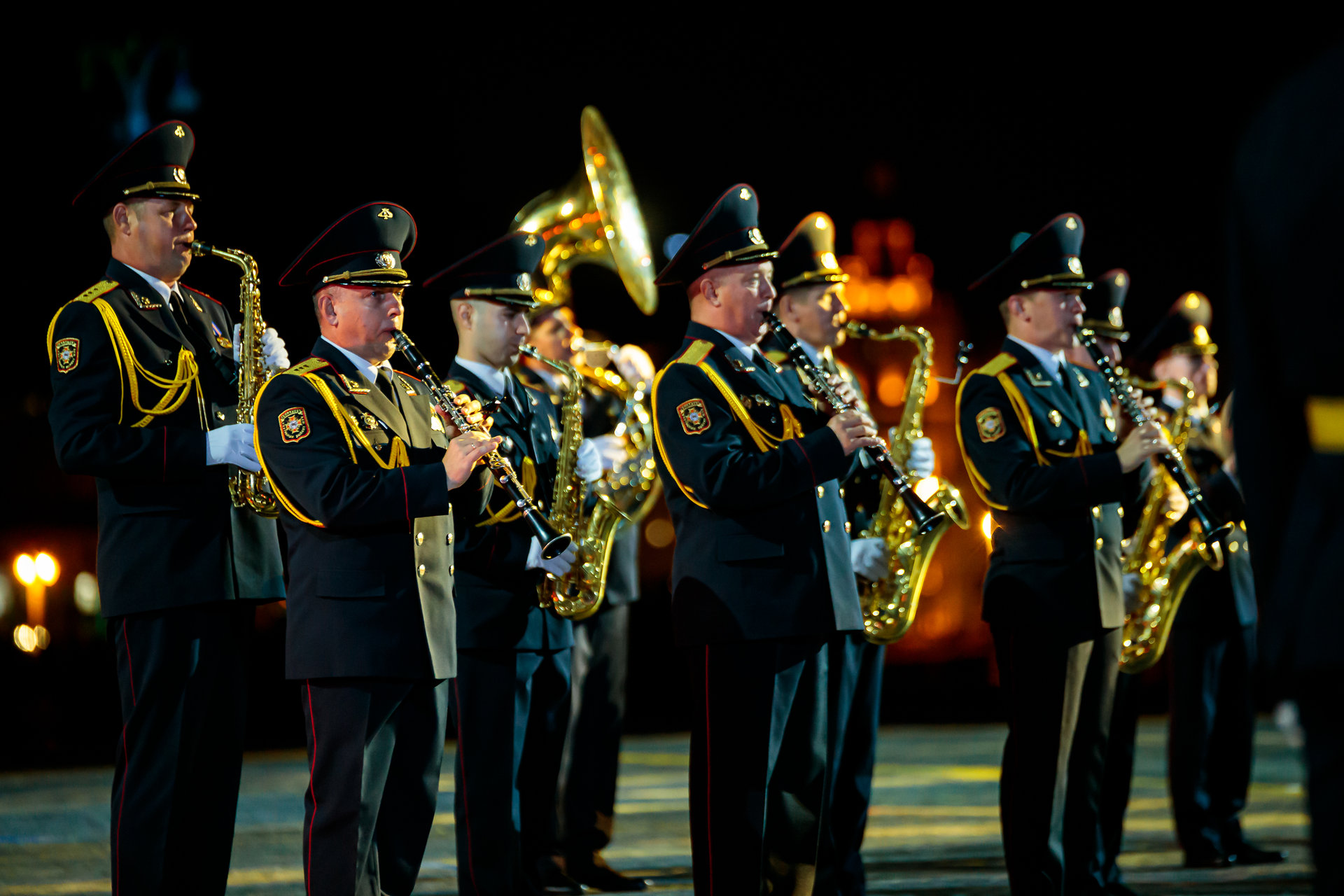
On 18 April 2026, the Stalin Line Historical and Cultural Complex, with the support of the Ministry of Defence of the Republic of Belarus, will host an Afghan War reenactment (the battle in the Maravar Gorge) and a demonstration run by T-72B and BMP crews, featuring a variety of obstacles and firing lines.

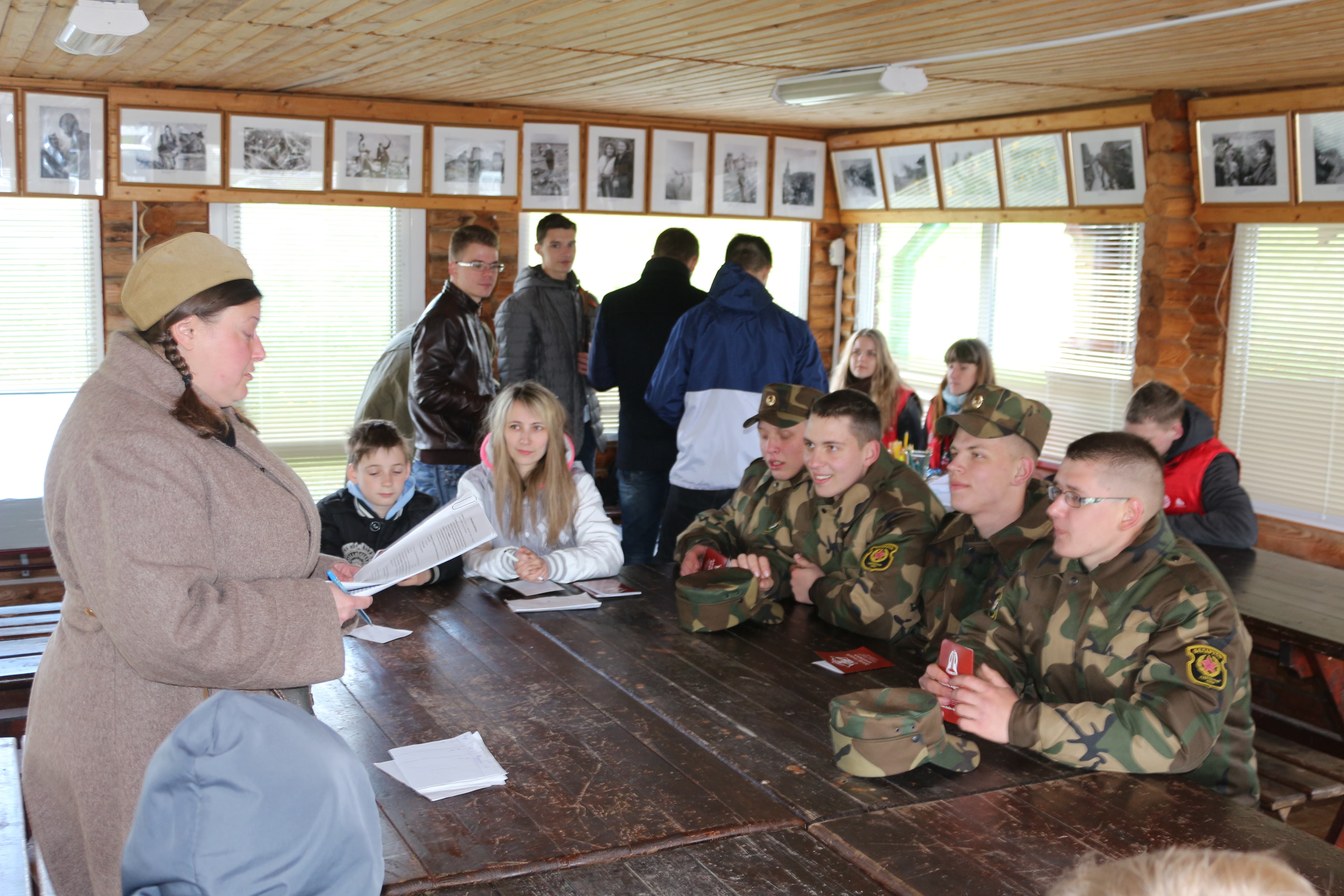
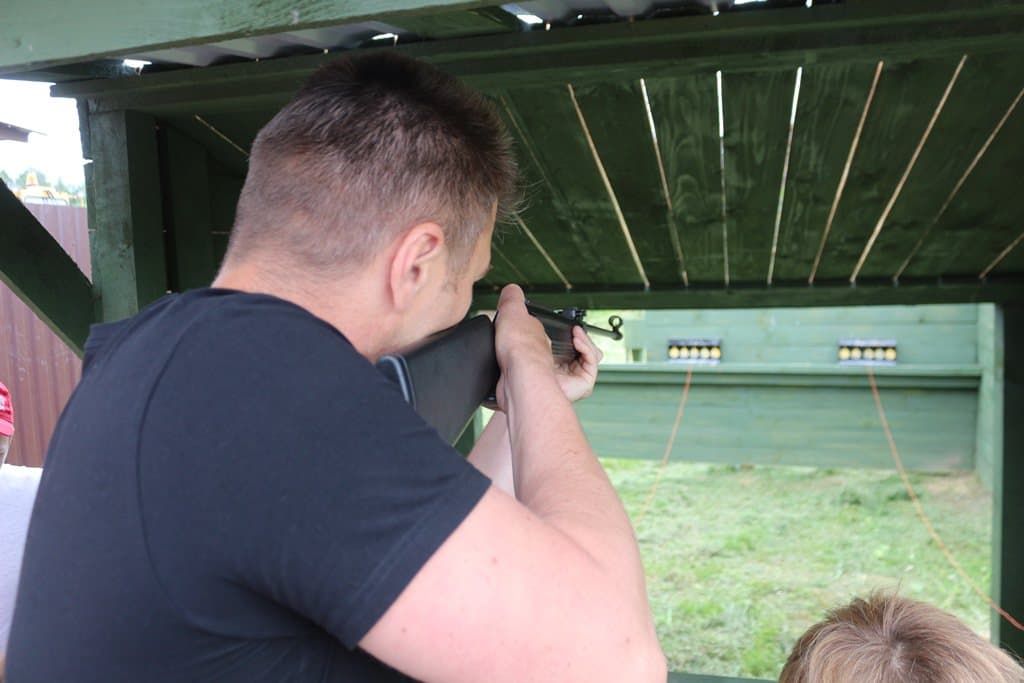
Throughout the day, the traditional free Ready for Labour and Defence (GTO) competition area will be open to adults and children. Participants can test their skills in a historical quiz, airgun shooting, assembling and disassembling a Kalashnikov rifle, and other workshops. The most active GTO participants will receive commemorative prizes.
Dear visitors!  To avoid congestion at the entrance to the complex, please purchase your tickets online and arrive 2–3 hours before the reenactment begins! Visitors with electronic tickets may park cars and minibuses FREE OF CHARGE, subject to availability!!!

Among all tickets purchased through the website, 10 tank ride certificates will be awarded in a prize draw. All tickets purchased before 20:00 on 17 April will be entered into the prize draw. The results, including the winning ticket numbers, will be published on the VKontakte and Instagram social media accounts after 20:00 on 17 April. Each winner will receive a tank ride certificate by e-mail, sent to the address provided when purchasing the ticket.
Event Details
  • Start Date
    18 April 2026

Opening of guided-tour and interactive areas to visitors:

  • “Stalin Line” Guided Tour Route
  • “Our Armoured Train” Exhibition
  • Operational Military Vehicle Display
  • Photo Area
  • Shooting from a tank and gun**
  • Blank-Firing Weapons Shooting**

Ready for Labour and Defence (GTO) These are interactive entertainment areas.

Everyone taking part in the Stalin Line GTO Challenge Area can enter the prize draw.

To enter the prize draw, you must:

  • Complete all GTO areas and receive a score for each one
  • Arrive at the specified time for the announcement of the prize-draw results
  • Certificates and prizes will be awarded exclusively to participants who attend the prize-giving ceremony.

Main GTO areas:

  • Airgun Shooting

  • Weapon Assembly and Disassembly

  • Scout Trail

  • Historical Quiz

  • Grenade Throwing

  • Artillery School

In accordance with the reform plan for the Armed Forces of the Republic of Belarus, and to improve the security of military facilities belonging to Armed Forces units and institutions, the 1st Military School for Junior Specialists (Service Dog Training) was established in 1993. Now the Armed Forces Canine Centre, it is based in Krupki, Minsk Region. Its official date of establishment is 16 November 1993, when the first school order was issued.

In 1995, recognising the importance and potential for the development of military working dog training, a decision was made to relocate the Armed Forces Canine Centre to the settlement of Kolodishchi, Minsk District.

Since the centre was established, it has trained more than three thousand service dogs and over three thousand military working dog specialists.

Today, the Armed Forces Canine Centre is a military training unit responsible for training military working dog specialists and service dogs for a variety of roles, including mine detection, search and rescue, tracking, the detection of weapons, narcotics and explosives, guard duties, patrol work and others.

The centre devotes considerable attention to breeding and dog shows. More than 500 dogs and puppies have taken part in national and international shows.

The centre’s dogs hold titles including International Champion, Candidate for International Champion, Champion of Belarus, Candidate for Champion of Belarus, class winner and FCI group winner.

The Canine Centre plays an active role in the military-patriotic education of schoolchildren and in enhancing the prestige of military service. To this end, the centre’s personnel give demonstrations, conduct informative guided tours and take part in other civic and patriotic events.

Since the centre was established, there has not been a single breach of any facility guarded by service dogs trained there.

The Service Dog Handler Training School was established on 24 January 1995 at the Smorgon Border Guard Training Detachment in the settlement of Devyatni, Smorgon District, Grodno Region. 

In October 1995, the Service Dog Handler Training School was relocated to the Smorgon Border Guard Detachment in the settlement of Gauti, Smorgon District, Grodno Region. 

In November 2002, the Service Dog Handler Training School was reorganised as the Canine Centre. 

The Canine Centre is now a training unit of the border guard service. It trains, retrains and provides advanced training for canine specialists, as well as training service dogs for a variety of duties, including tracking people by scent, sentry duties, specialised searches for narcotic drugs and psychotropic substances, weapons, ammunition and explosives, and guarding facilities. It also breeds and raises working dog breeds. 

Today, the Canine Centre of the border guard service is recognised as one of the best not only in the CIS, but also in Eastern Europe. 

A year earlier, the Soviet leadership had decided to establish a border security zone in Afghanistan known as the “Curtain”, intended to block most of the caravan routes used to supply the mujahideen from Pakistan. To reinforce the Soviet forces already in Afghanistan, two separate special forces brigades were deployed there. Their individual detachments were dispersed throughout the border provinces.

 27 March 1985 in the vicinity of the city of Asadabad a separate special forces detachment arrived, formed on the basis of the 5th Independent Special Forces Brigade from Maryina Gorka Byelorussian Soviet Socialist Republic. In Afghanistan, this brigade was redesignated as the 5th Battalion. It was commanded by Major Terentyev.

On 20 April 1985, at the entrance to the Maravar Gorge leading towards Pakistan, Major Terentyev openly carried out a reconnaissance with a group of company commanders, in full view of local residents. The mujahideen learnt of the reconnaissance and prepared an ambush. Terentyev initially sent three companies to search the small village of Sangam. During the night of 20–21 April, the three companies searched Sangam but found no one. Terentyev then unexpectedly ordered Tsebruk’s 1st Company to search another, larger village, Daridam, where intelligence indicated that a mujahideen detachment accompanied by an American instructor might be present, and, if possible, to capture the foreign instructor. No one questioned the illogical nature of the order: the battalion commander had committed fewer troops to searching an even larger village, despite the possible presence of an American there.

Aware of the difficulty of the task, the commander of the 1st Company, Captain Tsebruk, divided the company into four groups. He sent the 1st group Lieutenant Nikolai Kuznetsov, followed by the 2nd group under Lieutenant Alexander Kotenko. The 3rd group under Lieutenant Alexander Kisten and 4th Group under Captain Sergei Taran were to provide cover for the reconnaissance troops from the rear and from above on the slopes of the gorge.

While advancing through the kishlak 1st and 2nd Group (22 men) The mujahideen watched them from concealed positions on the slopes of the gorge. After our reconnaissance troops had finished sweeping the area and decided to return, one group of mujahideen descended from the slope into the kishlak and attacked the retreating troops from the rear, while another group bypassed the kishlak from the south and blocked their escape route.

At 05:00, hearing gunfire on the outskirts of the kishlak, the company commander, Captain Tsebruk, radioed Major Terentyev to request reinforcements and then set out with four men to assist his company. Captain Tsebruk was killed in the ensuing exchange of fire.

When 1st and 2nd group were fired upon from behind by the mujahideen. Our reconnaissance troops rushed towards the exit from the kishlak, where they came under fire from mujahideen who had blocked their route of retreat. Mortar bombs rained down on our soldiers, who were trapped in the kishlak. Of the 22 reconnaissance troops surrounded, five survived: Lieutenant Kotenko, Sergeant Turkin, Privates Korobov and Biynyk, and Warrant Officer Bakhmutov. 

Sergeant Vladimir Turkin later recalled how our men fought to the last round, dying rather than surrendering.

The severely wounded Lieutenant Nikolai Kuznetsov killed himself and the mujahideen around him with an F-1 grenade. Private Vyacheslav Sulin did the same. The wounded soldiers Volodya Boychuk, Sanya Vakulyuk, Yura Gavrash, Vasya Kukharchuk, Slava Marchenko, Vasya Muzyka and Nail Mustafin also preferred death to captivity and torture, blowing themselves up with a five-kilogram ‘witch’ (an improvised assault grenade made from an OZM-72 bounding fragmentation mine).

The soldiers of the 3rd Group, having spotted from above the enemy blocking the exit from the kishlak, opened fire, killing two. However, some of the mujahideen took cover beneath overhanging rocks, while the others targeted the 3rd Group with mortar fire. Having suffered casualties, The 3rd and 4th groups withdrew from the village.

By 11 a.m. the battle in the Maravar Gorge it was over. Of its 85 men, the 1st Company lost 29 that day, while the 2nd Company lost a further two. Most of the reconnaissance troops surrounded at Daridam were killed not by gunshot wounds, but by grenade blasts and mine fragments.

Thus, contrary to popular myth, the 1st Company was not wiped out, although it suffered very heavy losses.

List of the Fallen:

  1. Captain Nikolai Nesterovich Tsebruk (posthumously awarded the Order of the Red Star)
  2. Lieutenant Nikolai Anatolyevich Kuznetsov (posthumously awarded the Gold Star of Hero)
  3. Sergeant Vladimir Leonidovich Nekrasov
  4. Private Sakhob Saatovich Khaidarov
  5. Sergeant Dzhumabek Geldyevich Urazbayev
  6. Private Nail Maratovi Mustafin
  7. Lance Corporal Vyacheslav Valentinovich Marchenko (Order of the Red Star, posthumously)
  8. Sergeant Vasily Fedorovich Kukharchuk (Order of the Red Star, posthumously)
  9. Junior Sergeant Abdurakhmon Tozhievich Chutanov
  10. Sergeant Oleg Masurmankulovich Kasymov
  11. Private Viktor Gavrilovich Moryakhin
  12. Sergeant Stanislav Iosifovich Kulnis
  13. Lance Corporal Alexander Sergeyevich Vakulyuk
  14. Sergeant Viktor Vasilyevich Tarasov
  15. Private Ismattullo Shamsovich Madiev
  16. Private Vladimir Vasilyevich Boychuk (posthumously awarded the Order of the Red Star)
  17. Sergeant Yuri Cheslavovich Gavrash
  18. Sergeant Andrei Mikhailovich Zhukov
  19. Private Vladimir Viktorovich Popov
  20. Private Vyacheslav Anatolyevich Sulin
  21. Sergeant Mikhail Alekseyevich Matokh (posthumously awarded the Order of the Red Star)
  22. Lance Corporal Vasily Ivanovich Fediv (posthumously awarded the Order of the Red Star)
  23. Private Vasily Nikolayevich Muzyka
  24. Private Alexander Germanovich Slivko
  25. Lance Corporal Nikon Nikolayevich Komogortsev
  26. Private Vladimir Pavlovich Kuryakin
  27. Sergeant Igor Anatolyevich Napadovsky
  28. Private Andrei Konstantinovich Novikov
  29. Private Oleg Pavlovich Ovchinnikov
  30. Private Andrei Mikhailovich Chikhunov
  31. Private Yuri Nikolaevich Shapovalov


Details:https://bigarmy.by/clauses/interesnoe/afganskiy-dnevnik-serzhanta-belozorova-chast-2/

Rules:

  • Demonstration run by a T-72 crew over a route approximately 2,700 metres long
  • The route includes natural and artificial obstacles.
  • At the designated signal, the crew proceeds to the vehicle and sets off, negotiates the obstacles, then enters the firing section, where they load the ammunition.
  • At the machine-gun firing line, the crew engages a full-length target with the PKT and a ‘grenade-launcher team’ target with the NSVT.

CREWS TAKING PART IN THE RUN:
T-72B3 Crew

Tank Commander:
Lieutenant Roman Vitalyevich Kazak

Gunner-Operator:
Lance Corporal Andrei Mikhailovich Kostyuk

Driver-Mechanic:
Private Vadim Vladimirovich Lazarevich

BMP Crew

BMP Commander:
Lieutenant Artyom Alekseyevich Ustinenko

Gunner-Operator:
Sergeant Anton Pavlovich Viltovsky

Driver-Mechanic:
Private Alovsar Azerovich Gasanov

The price is 40 BYN per person for both children and adults. Children aged 4 to 7 accompanied by an adult ride free of charge. Children under the age of 4 are not permitted.

Payment is accepted at the boarding point. Card payments are available.

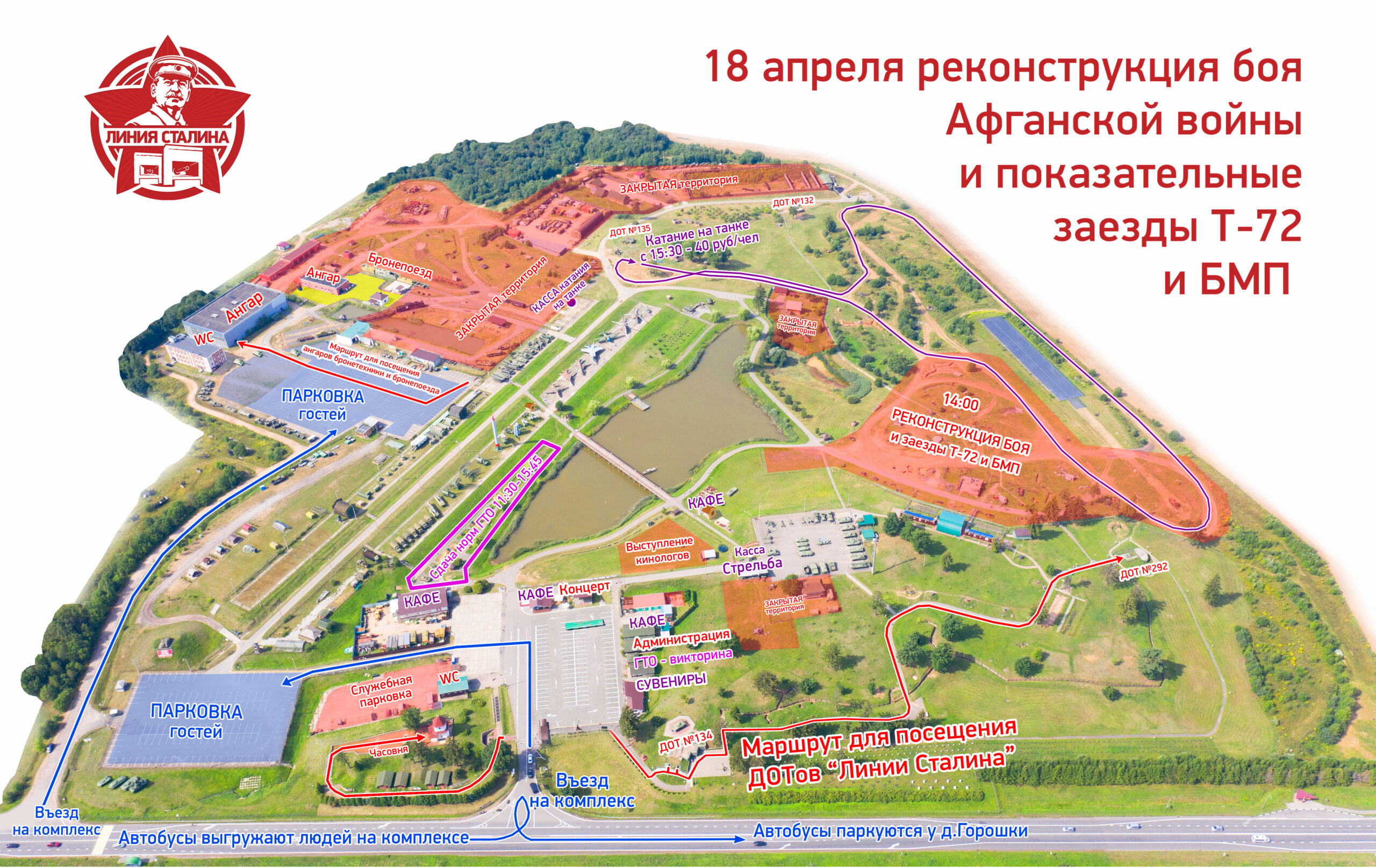
The boarding point is marked on the map.

The ride location is marked on the map:

* The organisers reserve the right to amend the programme due to weather, technical or other circumstances.
** Additional charges apply
*** weather permitting

All visitors who purchase a ticket for the event will receive a unique bonus code for the game “World of Tanks”.

The bonus code is available only when purchasing an electronic ticket or a ticket from the complex ticket offices. Complimentary tickets to the event do not entitle holders to a bonus code. The bonus code can be obtained in one of the following ways:

  • When purchasing an electronic ticket (the unique bonus code will be shown on the ticket purchased).

  • Together with your receipt when purchasing tickets from the complex ticket offices on the day of the event (the unique bonus code will be printed on a separate receipt).

Contents of the “World of Tanks” bonus code

For all players:

  • 5,000 gold
  • Account activations: 1
  • Code validity period: until 25 April

Where can I activate my “World of Tanks” code?

  1. On the lesta.ru or tanki.su portal, click “Log in” and sign in to your account. Then click your username and select “Activate Lesta Code”.
  2. Sign in at the Premium Shop at lesta.ru/shop/redeem and enter the code.
  3. Via Lesta Game Center: click ‘Log In’ and sign in to your account; then click your username and select ‘Activate Lesta Code’.

If you do not have an account for ‘World of Tanks’, you will need to register at tanki.su.


The Stalin Line Historical and Cultural Complex is located at kilometre 31 of the P28 road (Minsk–Molodechno), 20 km from the Minsk Ring Road.

For visitors travelling without a car:

Shared minibuses on the Minsk–Radoshkovichi (Minsk–Sosnovy Bor) route depart every 30 minutes from the stop at 19 Bobruiskaya Street, opposite the Tsentralny Bus Station. Alight at the Stalin Line stop.

Shared minibuses to Molodechno depart every 20 minutes from the stop at 9 Bobruiskaya Street, near the junction with Leningradskaya Street and across the road from the Minsk–Molodechno railway services. Alight at the Stalin Line stop.

Three designated car parks with a total capacity of 1,500 vehicles are available for visitors travelling by car.

Directions to the Stalin Line Historical and Cultural Complex are available here.

The Stalin Line Historical and Cultural Complex is located at kilometre 31 of the P28 road (Minsk–Molodechno), 20 km from the Minsk Ring Road.

For visitors travelling without a car:

Shared minibuses on the Minsk–Radoshkovichi (Minsk–Sosnovy Bor) route depart every 30 minutes from the stop at 19 Bobruiskaya Street, opposite the Tsentralny Bus Station. Alight at the Stalin Line stop.

Shared minibuses to Molodechno depart every 20 minutes from the stop at 9 Bobruiskaya Street, near the junction with Leningradskaya Street and across the road from the Minsk–Molodechno railway services. Alight at the Stalin Line stop.

Three designated car parks with a total capacity of 1,500 vehicles are available for visitors travelling by car.

Directions to the Stalin Line Historical and Cultural Complex are available here.

Dear visitors! To avoid traffic congestion at the entrance to the complex, please purchase electronic tickets and arrive 2–3 hours before the reenactment begins.

Admission tickets may be purchased online or from the complex’s ticket offices on the day of the event.

There is no limit on the number of tickets available. Please note that a ticket grants admission to the complex but does not entitle the holder to a seat in the grandstand for the reenactment. Grandstand seats cannot be reserved or purchased.

Once electronic tickets have been purchased and paid for, PDF copies will be sent to the email address provided during registration. The tickets must be presented at the entrance to the complex, either printed or on a mobile device. The unique QR code on each ticket must be clearly visible. If you have paid for your tickets but have not received them by email, please also check your spam folder and then use our Telegram bot. The bot will instantly find your order using the email address provided when you made your purchase and send you all your tickets as PDF files.

Admission prices:

  • Adults – 30.0 Belarusian roubles;
  • Students with valid student ID – 25.0 Belarusian roubles;
  • Schoolchildren – 15.0 Belarusian roubles;
  • Children aged 6 and under do not require a ticket and may attend the event free of charge when accompanied by an adult.

Discounts:

  • For large families, upon presentation of a large-family certificate, children’s tickets cost 10 roubles and are available only from the complex’s ticket offices.
  • Free admission:

    • Orphans (on presentation of valid identification)
    • People with Group I or II disabilities and those accompanying them
    • Veterans of the Soviet–Afghan War and the Great Patriotic War
    • Conscripts

    Dear visitors! To avoid traffic congestion at the entrance to the complex, please purchase electronic tickets and arrive 2–3 hours before the reenactment begins.

    After payment, e-tickets are automatically sent as PDF files to the email address provided during registration.

    What to do:

    • Check your inbox.

    • Be sure to check your spam folder.

    • Make sure that the email address was entered correctly.

    If you cannot find the email, please use our Telegram bot. The bot will instantly find your order using the email address provided when you made the purchase and resend the tickets as PDF files.

    At the entrance, you must present your ticket:

    • as a printout
      or

    • on the screen of a mobile device

    The unique QR code must be clearly visible and available for scanning.

    Parking for cars and minibuses is free for e-ticket holders, subject to availability.

    When purchasing tickets at the complex ticket offices:

    • Car or minibus – 3.0 BYN per day
    • Coach parking costs BYN 4.0 per day.

    Dear visitors! To avoid traffic congestion at the entrance to the complex, please purchase electronic tickets and arrive 2–3 hours before the reenactment begins.

    Visitors with electronic tickets may park a car or minibus free of charge, subject to availability.

    We recommend arriving early, as parking spaces can fill up quickly on major event days.

    No, grandstand seats cannot be purchased or reserved in advance.

    Seating is on a first-come, first-served basis:
    those who arrive first can watch the performance from the grandstand.

    We recommend arriving early so that you can find a good seat without rushing.

    To avoid congestion when entering the complex, we recommend:

    • purchasing electronic tickets in advance;

    • arriving 2–3 hours before the reenactment begins.

    This will give you enough time to:

    • pass through the entry checks without rushing,

    • find a good seat,

    • park conveniently.

    Yes, there are several cafés and food outlets within the complex.

    On major event days, additional mobile food outlets offer hot meals, drinks and snacks.

    Visitors can also purchase traditional soldiers’ porridge at the complex. It forms part of the atmosphere of military-history events and is especially popular with visitors attending reenactments.

    We recommend arriving early to avoid queues during peak visitor times.

    Yes, the complex is suitable for families.

    There is a children’s playground where children can enjoy active play in a safe environment.

    For the most active youngsters, there is also an interactive Ready for Labour and Defence (GTO) activity zone at Stalin Line.

    Everyone taking part in the GTO activity zone can enter the prize draw.

    To enter the prize draw, you must:

    1. Complete all the GTO zones and receive a score for each one.

    2. Be present at the specified time for the announcement of the results.

    Certificates and prizes will be awarded exclusively to participants who are present at the prize-giving ceremony.

    Animals are permitted within the complex.

    Please note, however, that reenactments and demonstrations involve extremely loud gunfire, explosions and operating military vehicles. This may cause severe stress to dogs and other animals.

    We ask owners to consider their pets’ sensitivity to loud noises and assess any potential risks to their health and behaviour in advance.

    The owner bears full responsibility for the animal’s welfare and behaviour.

    If you:

    • purchased a ticket for the wrong event;

    • made an error when purchasing your ticket;

    • were unable to attend the event;

    • made an error when entering your details during purchase;

    • or have any other questions about tickets,

    please email:

    bilet@stalin-line.by

    In your email, please provide:

    • your full name,

    • the date and name of the event,

    • the email address used for the purchase,

    • a description of the problem.

    The support team will review your enquiry and contact you to resolve the issue.

    Event Details
    • Start Date
      18 April 2026
    Sponsors