

The fighting section of the structure is divided into two casemates: one large and one small. The pillbox’s main armament comprised three 7.62 mm Maxim machine guns, Model 1910 (two machine guns…
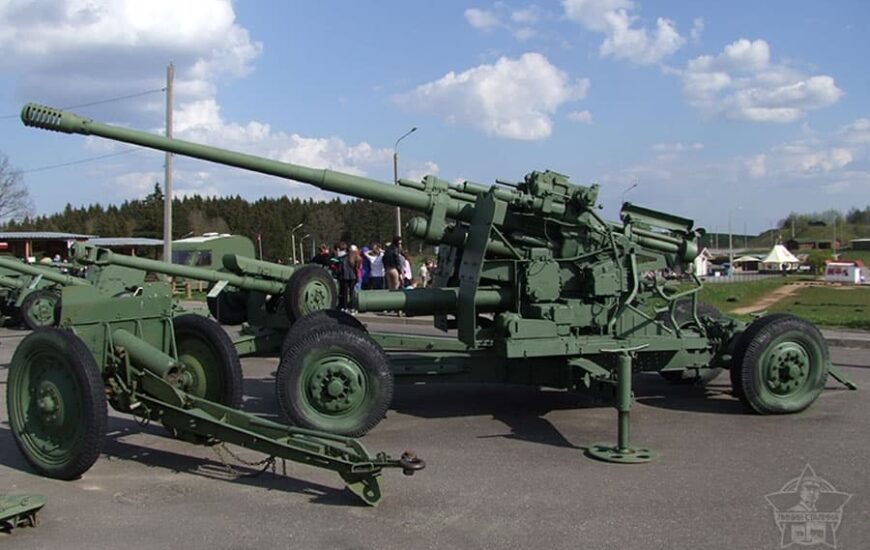
Зенитный артиллерийский комплекс КС — 19 был принят на вооружение в 1947 году. Основное предназначение комплекса — борьба с воздушными целями на больших высотах и…
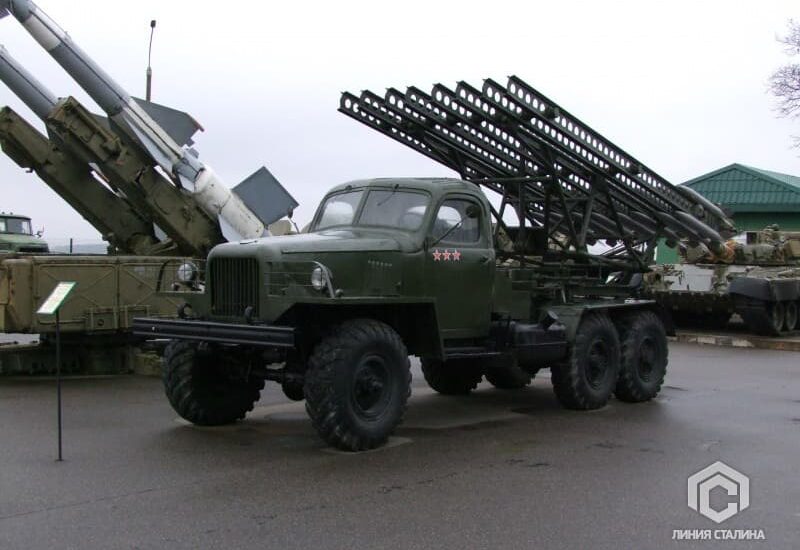
Реактивная артиллерия — вид полевой артиллерии, в котором для поражения цели используются неуправляемые реактивные снаряды. Поскольку эти снаряды имеют существенное рассеивание, необходимая эффективность огня достигается…
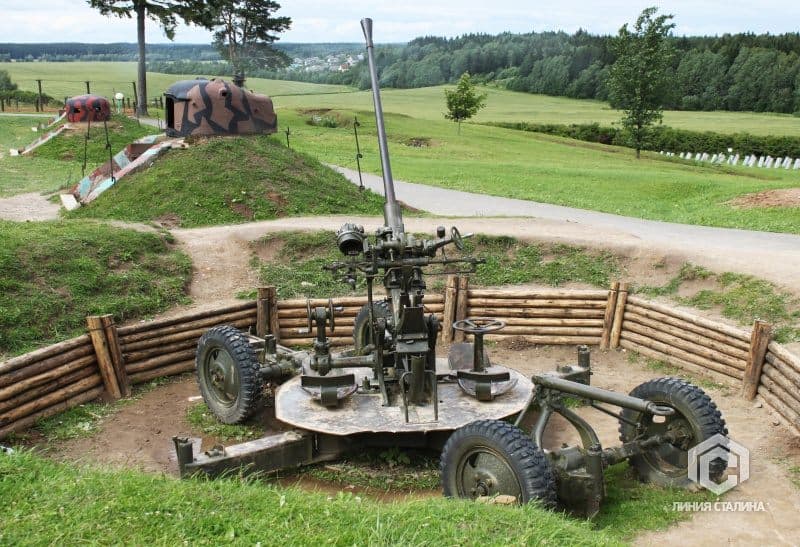
The 37 mm Automatic Air Defence Gun M1939 (61-K) was the first Soviet automatic anti-aircraft gun to enter large-scale production. The gun was designed…

Panzer Nest means “armoured nest” in German. The structure was a steel firing position weighing more than 3 tonnes. This example was discovered by the foundation’s search team…

The Stalin Line was a system of fortified regions along the former western border of the USSR, stretching from the Karelian Isthmus to the Black Sea coast. Construction of the defensive line began in 1928…

This was the most heavily fortified region in the Belarusian Military District. Its main purpose was to protect the city of Minsk, an important economic, political and transport hub. The decision to begin…

The Stalin Line Historical and Cultural Complex was created to mark the 60th anniversary of the Soviet people’s Victory in the Great Patriotic War and opened on 30 June 2005 in memory of the defenders…

Artillery Half-Caponier No. 134 was built in 1932 and formed part of the Minsk Fortified Region. A half-caponier is a fortification designed to deliver flanking fire into…

In the second half of the 1930s, an artillery courtyard was added to the main structure. In peacetime, these courtyards were used as guardrooms, while in combat…






 Russian
  English